If you need a simple adhesive for elastic string knots and light jewelry repairs, this Jewelry Elastic String Glue review is aimed at exactly that use case.
It is a niche craft glue, not a general-purpose workshop adhesive.
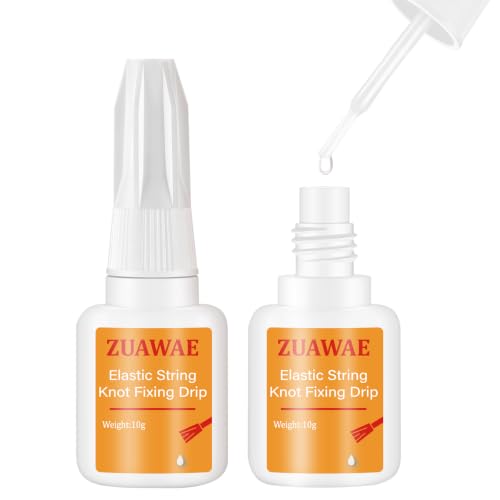
Jewelry Elastic String Glue Review Summary
This Jewelry Elastic String Glue review points to a very specific buyer: someone making bracelets, beadwork, or other small crafts where a clear, flexible seal matters more than brute strength.
Based on the listing, it is designed to help lock knots on elastic string, protect delicate jewelry assemblies, and stay unobtrusive on finished pieces.
Buy it if you want a transparent, brush-applied fixer for jewelry and craft knots. The strongest case for this product is simplicity: it is meant to be easy to control, quick to apply, and useful across elastic string, rhinestones, pearls, gemstones, fabric, clay beads, and similar lightweight materials.
Skip it if you need a heavy-duty structural adhesive or a glue for large-load repairs.
Review Scorecard
| Category | Score | Why it earns that score |
|---|---|---|
| Elastic string knot control | 9/10 | The product is explicitly built for knot fixing on elastic string and bracelet work. |
| Finish and visibility | 8/10 | The listing says it dries transparent, which suits visible jewelry surfaces. |
| Ease of use | 8/10 | Built-in brush applicator and tube cap should make small applications manageable. |
| Material flexibility | 8/10 | The adhesive is described as highly elastic, which fits stretch jewelry use. |
| Craft versatility | 7/10 | It covers jewelry and assorted DIY materials, but the core identity is still narrow. |
| Cleanup and handling | 7/10 | A precision brush helps control placement, though the formula is still a glue product. |
| Buyer specificity | 9/10 | Clear fit for bracelet, bead, and small-craft users who want a tidy seal. |
Key Features and Specifications of Jewelry Elastic String Glue
The product is positioned as a jewelry glue for elastic string and a knot-fixing drip for bracelet making.
The listing names use cases across jewelry, crystal, DIY, rhinestone, pearl, gemstone, necklace, bracelet, and earring projects, so the intended audience is broad within small-format craft work.
The main feature is the built-in brush head, which is meant to allow precise application.
That matters here because the product is not trying to flood a joint; it is supposed to coat a knot or small contact area cleanly.
The cap is described as helping prevent drying out, which is useful if you only reach for craft glue occasionally.
The formula is described as transparent, waterproof, and highly elastic.
Those are the right traits for bracelet knots and bead-stringing work, where visible residue and rigid seams can ruin the final look.
The listing also says to apply a thin layer and wait 5 to 10 minutes for drying, which suggests a relatively simple workflow for small craft tasks.
| Fact from listing | What it means for buyers |
|---|---|
| Designed for elastic string | Best suited to bracelet and bead-stringing knots |
| Precision brush head | Better control on small application points |
| Transparent finish | Less visible on finished jewelry |
| Waterproof and elastic | A better fit for flexible craft assemblies |
| Works on multiple craft materials | Useful beyond one bracelet type |
Pros and Cons of Jewelry Elastic String Glue
Pros
- Made for the exact problem many bracelet makers have: locking knots on elastic string without making the result look messy.
- Clear finish: the transparent description is a strong advantage for jewelry and visible craft surfaces.
- Brush applicator: easier to control than a wide nozzle when you only want a thin coat.
- Flexible positioning: the listing’s elastic claim makes sense for stretch-based jewelry.
- Wide craft compatibility: works across several common jewelry and DIY materials.
Cons
- Narrow role: this is not the right product if you need a general construction adhesive.
- No hard performance data: the listing does not provide cure strength, bond tests, or material limits.
- Small-task product by nature: it is optimized for detail work, so it is less useful for large joins.
- Success depends on clean surfaces: the instructions note prep matters, which is normal but important.
Who Should Buy Jewelry Elastic String Glue?
This product is a fit for bracelet makers, jewelry hobbyists, and crafters who want a cleaner way to secure elastic knots.
It also suits people working with clay beads, rhinestones, pearls, gemstones, or mixed jewelry kits, especially when the final piece will stay visible and aesthetics matter.
It may also be useful for anyone who wants a small, targeted bottle of craft adhesive instead of a bulky multipurpose shop glue.
The brush head and transparent finish suggest a product designed for controlled, repeatable applications rather than one-off heavy repairs.
You should probably skip it if you need a glue for wood, plastic repair, load-bearing bonds, or general household fixes.
The listing keeps returning to jewelry, elastic string, and light DIY crafting, so that is where the value is concentrated.
How Jewelry Elastic String Glue Behaves in Bracelet Work
Knot Sealing on Elastic String
The listing’s core promise is knot fixing, and that is the most important thing to evaluate.
For bracelet work, a glue like this needs to settle onto a knot without making it stiff, cloudy, or oversized.
The transparent and elastic positioning suggests it is meant to reinforce the knot while keeping the bracelet wearable.
Brush Control for Small Craft Joints
The built-in brush head is a practical choice for bead and jewelry work because these projects rarely need a large adhesive bead.
A precise brush should make it easier to place a thin coat on the knot or joint, which helps keep glue away from visible surfaces and moving parts.
Finish on Visible Jewelry Surfaces
For jewelry, the finish matters almost as much as the bond.
The product’s transparent claim is important because dried glue can look distracting on light beads, shiny stones, or polished surfaces.
A clear adhesive is usually the better choice when the repair sits near the outside of the finished piece.
Everyday Craft Convenience
The cap that prevents drying out is a small but meaningful convenience feature.
Craft glue often fails in real use because it sits unused between projects, so anything that helps preserve the bottle is a practical plus for hobbyists who make jewelry only occasionally.
Alternatives to Jewelry Elastic String Glue
If you want a broader craft adhesive rather than a jewelry-specific one, look at Aleene’s Original Tacky Glue.
It is a common general craft option for lighter DIY tasks.
If your projects involve more flexible or fabric-adjacent bonding, Beacon Fabri-Tac is another sensible Amazon search term to compare.
For jewelry makers who want more targeted assembly help, GS Hypo Cement is worth checking because it is often associated with precision craft and jewelry work.
If you need something more multipurpose and heavier-duty, E6000 craft adhesive is a recognizable alternative to compare, though it is a different kind of product with different handling tradeoffs.
Is Jewelry Elastic String Glue Worth It?
Yes, if your main need is sealing elastic string knots and finishing small jewelry projects cleanly. The appeal here is not versatility for its own sake; it is the combination of a brush applicator, transparent finish, and flexible adhesive positioning for bracelet and bead work.
If you buy with that narrow job in mind, this Jewelry Elastic String Glue review comes down on the positive side.
If you need a broad household adhesive or a serious load-bearing bond, look elsewhere.