Professional woodworking shops need hand planes that deliver predictable cuts, hold an edge, and remain comfortable through repeated use. The right combination can improve surface quality while reducing reliance on sanding and machine setup.
This roundup compares 10 hand planes for professional shops across common tasks, including stock preparation, smoothing, end-grain work, detail trimming, and edge chamfering.
Best 10 Hand Planes for Professional Shops Picks for 2026
Professional Smoothing Pick

- Reusable O1 tool-steel blade
- Ductile iron body for heavy-duty use
- Adjustable depth with polished flat bottom
Best For: General smoothing, trimming, and surface preparation
Precision Jack Plane

- Wide 2-3/8-inch blade
- Fully machined frog
- Flat, square sole and sides
Best For: Heavy-duty bench stock preparation
Detail Work Specialist
JORGENSEN No. 60-1/2 Block Plane

- Compact 1.38-inch cutting width
- Adjustable depth and mouth
- Lightweight 1.5-pound design
Best For: Portable trimming and fine detail work
Traditional Bench Workhorse
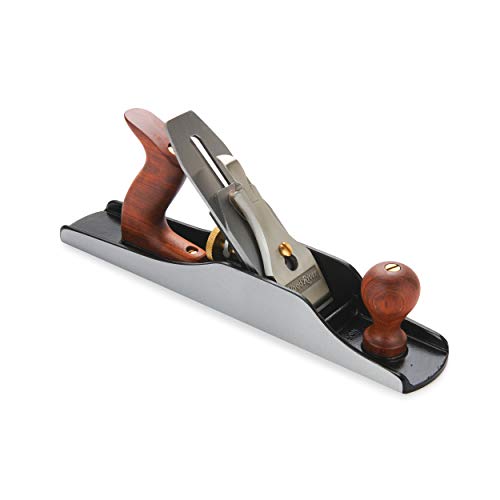
- Heavy stress-relieved ductile iron casting
- Flat, square machined sole and sides
- Bubinga handles for comfort and control
Best For: General bench work and stock preparation
Compact Precision Pick
JORGENSEN No.102 Low Angle Block Plane

- Sharpenable O1 tool-steel blade
- Ductile-iron body for heavy-duty use
- Adjustable cutting depth for controlled cuts
Best For: Detail trimming, deburring, and polishing
Wide-Board Workhorse

- 18-inch sole for flattening broad panels
- 60mm hardened blade for extended use
- Adjustable frog for customized performance
Best For: Tabletops, workbenches, and wide boards
Traditional Smoothing Choice

- Pull-style design for controlled smoothing
- Laminated Japanese-steel blade with chipbreaker
- Large oak body for stable two-handed handling
Best For: Smoothing wood surfaces and traditional Japanese planing
Edge Detail Specialist

- Four cutter heads for varied edge profiles
- Adjustable depth with a polished flat bottom
- Built-in storage keeps blades organized
Best For: Chamfering, rounding, and flattening wood edges
Workshop Smoother
Amazon Basics No. 4 Bench Plane

- Cast-iron body helps reduce vibration
- 2-inch steel blade for smoothing and trimming
- Adjustable mouth and depth controls
Best For: General smoothing, door trimming, furniture, and cabinetry
Heavy-Duty Roughing Plane
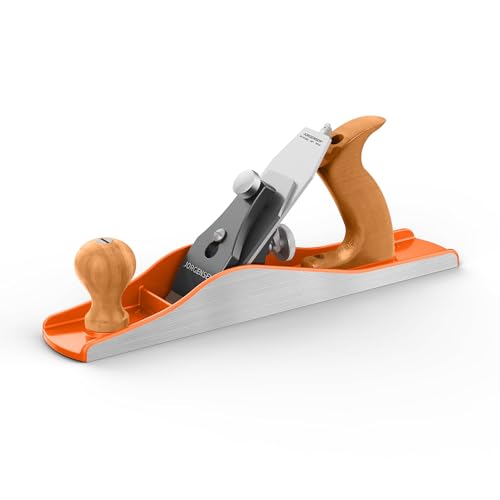
- Ductile-iron body for heavy-duty work
- Sharpenable O1 blade with adjustable depth
- Designed for flattening larger wood areas
Best For: Rough flattening, shaping, carpentry, and stock removal
Professional Smoothing Pick – JORGENSEN No. 4 Wood Plane
For hand planes for professional shops, the JORGENSEN No. 4 combines a ductile iron body with a reusable O1 tool-steel blade and adjustable cutting depth. Its flat bottom and beechwood handle suit general smoothing, trimming, and surface-preparation work.
Best For: General-purpose smoothing, trimming, deburring, and removing larger amounts of wood.
Pros:
- O1 tool-steel blade can be sharpened and adjusted repeatedly.
- Ductile iron body is designed for heavy-duty use and drop-tested durability.
- Adjustable cutting depth and polished flat bottom support controlled operation.
- Beechwood handle is polished for a comfortable, burr-free grip.
Cons:
- At 2.24 kg, it may feel heavy for extended overhead or highly portable work.
- The supplied information does not specify a spare blade or additional accessories.
This is a practical all-around option when a professional shop needs one durable smoothing plane with straightforward depth adjustment and a serviceable blade.
Precision Jack Plane – Woodriver #5-1/2 Jack Plane
The Woodriver #5-1/2 is a substantial jack plane for professional shops that value a broad blade and machined components. Its stress-relieved ductile iron casting, fully machined frog, and flat, square sole and sides are intended to reduce initial setup work.
Best For: Shop-based stock preparation and general jack-plane work where a longer, heavier tool is useful.
Pros:
- Wide 2-3/8-inch blade supports efficient material removal.
- Fully machined frog and machined-flat sole and sides help with setup.
- Stress-relieved ductile iron casting is built for a stable, durable platform.
- Modeled after Stanley Bedrock planes.
Cons:
- At 7.6 pounds, it is less convenient to carry than smaller hand planes.
- The supplied notes do not describe handle material or a depth-adjustment feature.
Choose this model when stability, substantial construction, and a wide cutting edge matter more than minimizing weight. It is especially suited to a dedicated bench setup.
Detail Work Specialist – JORGENSEN No. 60-1/2 Block Plane
Compact and portable, the JORGENSEN No. 60-1/2 is a useful addition to hand planes for professional shops focused on trimming and detail work. Its O1 blade, adjustable cutting depth, and adjustable mouth provide control for smaller woodworking and craft tasks.
Best For: End-grain trimming, detail planing, deburring, and portable shop or craft work.
Pros:
- Small 1.38-inch cutting width makes it suited to detail work.
- Adjustable cutting depth and mouth allow more control over the cut.
- Ductile iron body is designed for rugged use.
- Includes an instruction manual and weighs 1.5 pounds for easier handling.
Cons:
- Its compact blade width is less suited to broad surface smoothing.
- The sharp blade requires careful handling during use.
This is the most maneuverable choice in the group. Its adjustable mouth and low-angle block-plane design make it a strong complement to a larger bench or jack plane.
Traditional Bench Workhorse – WoodRiver No. 5 Jack Plane
The WoodRiver No. 5 is a traditional jack plane built around heavy ductile iron castings and a fully machined frog. For professional shops, its flat, square sole and sides and comfortable Bubinga handles offer a solid platform for general bench work.
Best For: General jack-plane tasks, stock preparation, and controlled bench work.
Pros:
- Heavy 5-pound casting provides a substantial feel in use.
- Fully machined frog supports the blade assembly.
- Sole and sides are machined flat and square to tight tolerances.
- Lightly finished Bubinga handles provide comfort and control.
Cons:
- At 6.8 pounds, it is relatively heavy for a No. 5 plane.
- The supplied notes do not specify an included blade separately or an adjustable mouth.
This model fits shops looking for a classic, weighty jack plane with carefully machined reference surfaces and traditional wood handles rather than a lightweight design.
Compact Precision Pick – JORGENSEN No.102 Low Angle Block Plane
For professional shops that need a controllable trimming and finishing tool, the JORGENSEN No.102 is a compact choice among hand planes for professional shops. Its O1 tool-steel blade, ductile-iron body, and adjustable cutting depth support repeatable work across a range of woodworking tasks.
Best For: Trimming, deburring, polishing, and other detail-oriented surface work where easy depth adjustment and maneuverability matter.
Pros:
- O1 tool-steel blade is sharpenable and designed to minimize wear.
- Ductile-iron body is drop-tested for rugged durability.
- Adjustable cutting depth allows control over different cuts.
- Flat, polished sole supports smooth operation.
Cons:
- Its small block-plane format is less suited to flattening large panels.
- Users must handle the sharp blade carefully.
The No.102 is a practical shop plane when precision and portability are more important than maximum stock removal. It is also approachable for beginners because it includes an instruction manual.
Wide-Board Workhorse – Groz No. 6 Fore Plane
The Groz No. 6 is built for flattening broad workpieces, making it a strong candidate among hand planes for professional shops. Its 18-inch sole and 60mm cutter cover wide boards efficiently, while the adjustable frog helps tailor the plane to the wood and grain.
Best For: Flattening tabletops, workbench surfaces, panels, and other wide boards in softwood or hardwood.
Pros:
- Long 18-inch sole helps bridge and flatten wide surfaces.
- 60mm hardened blade is designed to hold an edge through extended use.
- Adjustable frog allows tuning of blade depth and mouth opening.
- Machined sole is specified to a 0.003-inch flatness tolerance.
Cons:
- Its long, heavy format is less convenient for small trimming tasks.
- Manual operation requires more effort than a compact plane on localized work.
With a cast-iron body, hardwood handles, and brass adjusting hardware, the Groz No. 6 offers a substantial setup for large surfaces. It is particularly appealing when out-of-box flatness and wide coverage are priorities.
Traditional Smoothing Choice – KAKURI Japanese Hand Plane
The KAKURI Japanese hand plane brings a pull-style cutting approach to professional woodworking, offering controlled passes and a smooth finish. Its Japanese laminated-steel blade, oak body, and chipbreaker make it a distinctive option among hand planes for professional shops.
Best For: Smoothing wood surfaces and covering relatively broad areas with stable, two-handed pull strokes.
Pros:
- Hand-sharpened laminated Japanese steel blade is ready to use out of the box.
- Two-blade design with chipbreaker helps minimize wood splitting.
- Large 50mm plane is balanced for firm two-handed handling.
- Durable Japanese oak body supports a smooth planing experience.
Cons:
- The blade requires fine-tuning with a hammer before use.
- Its pull-style operation differs from Western planes and may require adjustment.
- Natural oak grain patterns can vary because of the ECO oak construction.
The KAKURI is a good fit for shops that value traditional Japanese planing and a refined surface finish. Its larger body improves stability, while the laminated blade is designed to sharpen readily and resist splitting-related issues.
Edge Detail Specialist – JORGENSEN Chamfer Plane
For professional shops looking for hand planes for professional shops, this JORGENSEN chamfer plane is a focused tool for trimming and shaping wood edges. Its four interchangeable cutter heads, adjustable cutting depth, and built-in blade storage make it practical for repeat edge-detail work.
Best For: Chamfering, rounding, and flattening wood edges.
Pros:
- Includes four cutter-head shapes, including 45-degree, 1/4-inch round, 1/8-inch round, and 3/16-inch round options.
- O1 tool-steel blade is finely sharpened, reusable, and designed to minimize wear.
- Adjustable cutting depth and a polished, flat bottom support controlled operation.
- Built-in storage helps keep the included cutter heads organized.
Cons:
- Its 6-millimeter cutting width and edge-focused design are less suitable for flattening broad surfaces.
- Requires changing cutter heads for different edge profiles.
This is a useful addition to a professional woodworking setup when edge treatment is a regular part of the job. It complements, rather than replaces, a full-size bench or jack plane.
Workshop Smoother – Amazon Basics No. 4 Bench Plane
For buyers comparing hand planes for professional shops, this No. 4 bench plane offers a conventional format for smoothing, trimming, and finishing wood. Its cast-iron body, 2-inch steel blade, adjustable mouth, and depth gauge provide a practical combination for general workshop use.
Best For: Smoothing surfaces, trimming doors, furniture work, and cabinetry.
Pros:
- Heavy-duty cast-iron construction is designed to reduce vibration during cuts.
- Two-inch steel blade supports broad smoothing and finishing work.
- Adjustable mouth, depth gauge, adjustment screws, and lever cap allow blade tuning.
- Front and rear handles provide control during extended use.
Cons:
- At 2.7 pounds, it may feel less substantial than heavier professional bench planes.
- Maintaining a flat sole and fine-tuning the blade require setup and ongoing maintenance.
This model is a versatile general-purpose choice for a shop that needs one bench plane for routine smoothing and trimming. Its adjustable features make setup important, especially when seeking consistent finishing cuts.
Heavy-Duty Roughing Plane – JORGENSEN No. 5 Jack Plane
For professional shops needing hand planes for professional shops, the JORGENSEN No. 5 jack plane is built for leveling larger areas and removing noticeable imperfections before finer smoothing. Its ductile-iron body, adjustable depth, and 2-inch O1 tool-steel blade suit demanding rougher work.
Best For: Flattening, shaping, furniture making, carpentry, and removing substantial material.
Pros:
- Ductile-iron body is drop-tested and designed for heavy-duty use.
- O1 tool-steel blade can be sharpened and adjusted repeatedly for extended service.
- Adjustable cutting depth supports different planing tasks.
- Flat polished bottom and beechwood handle support smooth, controlled operation.
Cons:
- As a No. 5 jack plane, it is intended for rougher work rather than final fine smoothing.
- Removing larger amounts of wood can require more effort than lighter finishing passes.
This is the strongest fit of the three for initial stock removal and broad flattening. Pair it with a finer smoothing plane when the project requires a polished final surface.
How We Picked These Hand Planes for Professional Shops
We selected planes that cover the core jobs found in a working shop rather than focusing on one style or price point. The lineup includes No. 4 smoothing planes, No. 5 and No. 5-1/2 jack planes, a No. 6 fore plane, low-angle and block planes, a Japanese plane, and a dedicated chamfer plane.
Our comparison criteria include sole and body design, cutter width, adjustment features, intended workload, handling, versatility, and the type of woodworker most likely to benefit. For professional use, a plane should also offer a practical path to sharpening, tuning, and replacement parts or blades.
Quick Comparison
| Plane type | Best suited to | Primary advantage |
|---|---|---|
| No. 4 smoother | Final surface preparation | Controlled, fine cuts |
| No. 5 or 5-1/2 jack | General stock preparation | Versatile length and capacity |
| No. 6 fore plane | Flattening wider boards | Longer sole for reference |
| Low-angle block plane | End grain and fitting | Low cutting angle |
| Japanese plane | Fine paring and smoothing | Pull-stroke control |
| Chamfer plane | Consistent edge details | Repeatable corner cuts |
Key Buying Factors for Hand Planes for Professional Shops
Match the Plane to the Work
A No. 5 jack plane is often the most flexible starting point for dimensioning and general preparation. A No. 5-1/2 offers more mass and a wider blade for heavier cuts, while a No. 4 is better suited to smoothing after the surface is already reasonably flat. Choose a fore plane when longer sole contact will help establish a flat reference across wider stock.
Consider Cutting Angle and Adjustment
Low-angle block planes are useful for end grain, small parts, and fitting doors or drawers. Look for a secure blade adjustment, a stable mouth, and a sole that can be tuned if necessary. Adjustable frogs and depth controls are especially valuable when changing between rougher and finer cuts.
Check Ergonomics and Serviceability
Professional users should consider weight, grip comfort, balance, blade access, and how easily the plane can be disassembled for sharpening or tuning. A plane that is slightly less expensive but difficult to adjust may cost more in lost time. Also verify blade availability and whether replacement cutters can be sharpened to the desired profile.
Account for Setup
Even a well-built plane may need flattening, sharpening, lever-cap adjustment, or mouth tuning before it performs at its best. Budget time for setup and maintain a consistent sharpening routine. Waxing the sole and keeping the blade protected can improve handling and extend service life.
Who Should Buy Which Hand Planes for Professional Shops?
Choose a No. 5 or No. 5-1/2 if you want one broadly capable bench plane for a professional shop. Add a No. 4 when surface finish and smoothing are priorities, or select a No. 6 fore plane for longer-board flattening and truing.
A low-angle block plane is the practical choice for end grain, joinery fitting, and compact work. Choose the Japanese plane if you prefer a pull-style tool and fine control. For production-style edge details, a dedicated chamfer plane can provide faster, more consistent results than marking and cutting each chamfer by hand.