The right industrial leather sewing machine depends on what you make. A flat-bed walking-foot machine suits many bags and upholstery projects, while a cylinder arm or patcher can reach awkward curves and tight repair areas.
These 10 options span powered table-mounted machines and compact manual tools. The buying guide below helps you match machine geometry, feeding method, and workspace needs to your projects.
Best 10 Leather Sewing Machines Industrial Picks for 2026
Upholstery Workhorse
Juki DNU-1541S Walking-Foot Machine

- Unison-feed lockstitch with safety mechanism
- Includes table and DC servo motor
- Assembly required; weighs 125 pounds
Best For: Leather and upholstery sewing in a dedicated workshop
Manual Shoe-Repair Pick
10-Bearings Cobbler Sewing Machine

- Hand-powered shoe and bag repair
- Leather-tested before shipment
- Requires assembly and lubrication
Best For: Manual shoe and bag mending
Upholstery Shop Setup
Consew Walking-Foot Industrial Machine
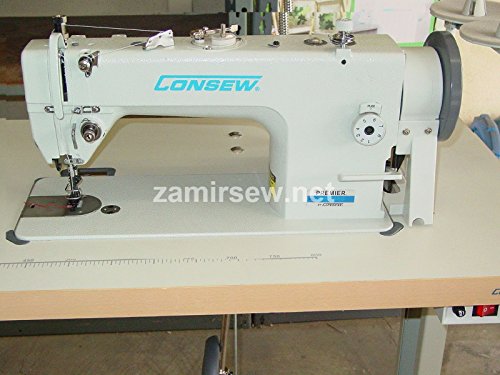
- Drop, needle, and walking-foot feed
- Table and servo motor included
- Ships unassembled; weighs 185 pounds
Best For: Furniture, auto, and marine upholstery
Free-Standing Cobbler Pick
BEAMNOVA Leather Stitching Machine

- Hand-powered, free-standing tripod design
- Open arm reaches curved repair areas
- Includes 10 needles and nylon thread
Best For: Shoe and leather-goods repairs without a workbench
Best for Detail Work
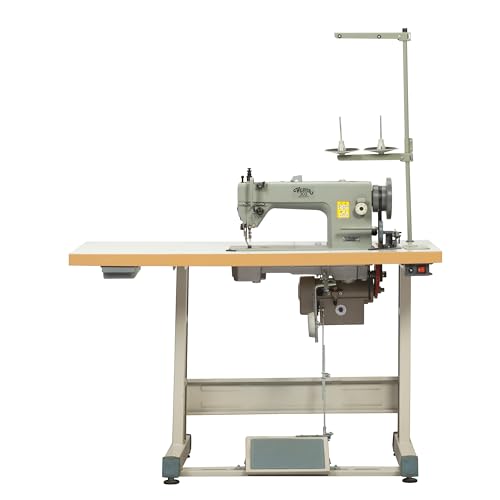
- Speed reducer for controlled stitching
- Sews up to 1/4 inch thick
- Stand and servo motor included
Best For: Beginners making lighter bags and accessories
Best for Shoe Repairs
Hand-Crank Leather Patcher #2972B

- 360-degree rotating presser foot
- Cylindrical bed for tubular items
- Head only; no stand or motor
Best For: Manual shoe, boot, and bag repairs
Best for Manual/Electric Flexibility

- Stainless steel base included
- 110V motor plus manual operation
- Thick leather may require hand power
Best For: Base-equipped cobbler work with manual backup
Best for Bags and Tubes
FY335A Cylinder Arm Walking Foot

- Cylinder arm for tubular items
- Walking foot feed for thick materials
- Table kit with servo motor
Best For: Leather bags, tubular goods, and canvas projects
Best for Shoe Details

- Post bed suited to shoe work
- Roller foot handles tight curves
- 6 mm presser-foot clearance
Best For: Shoe components and curved leather or vinyl pieces
Best for Mixed Materials

- LCD speed and needle controls
- Stated maximum of 5,000 SPM
- Adjustable table with LED light
Best For: Varied garment, bag, and canvas projects
Upholstery Workhorse – Juki DNU-1541S Walking-Foot Machine
Among leather sewing machines industrial buyers consider for upholstery, the Juki DNU-1541S offers unison feed, a double-capacity hook, and a safety mechanism. It comes with a table and DC servo motor for a dedicated sewing setup.
Best For: Sewing leather, vinyl, canvas, and upholstery in a dedicated workshop.
Pros:
- Unison-feed, single-needle lockstitch design handles light- to heavy-weight materials.
- Up to 9 mm stitch length and 16 mm clearance under the foot.
- Includes a table, servo motor, LED lamp, knee lifter, and other listed accessories.
Cons:
- Table and motor setup requires assembly; professional assembly may be needed.
- At 125 pounds, it is not a portable repair tool.
Choose this model when its upholstery-oriented feed and included workstation matter more than easy setup or portability.
If you’re comparing leather sewing machines industrial-style but need a hand-powered shoe-repair tool, this 10-Bearings cobbler machine is a different kind of option. It is intended for mending shoes, bags, and clothing rather than motor-driven production sewing.
Best For: Manual repairs on shoes, bags, and similar items.
Pros:
- Hand-powered operation needs no electrical hookup.
- Each machine is tested with leather before leaving the factory.
- Includes assembly instructions and an aluminum-alloy tripod.
Cons:
- Requires assembly and ongoing lubrication of moving parts.
- Iron surfaces need rust-conscious care; handmade parts may show hammer marks.
This is a practical choice for occasional cobbler work if you are comfortable assembling and maintaining a manual machine.
For buyers seeking leather sewing machines industrial workshops can use on upholstery, this Consew combines drop feed, needle feed, and a walking foot. The listing includes a table and servo motor for work on leather, vinyl, canvas, and coated materials.
Best For: Furniture, auto, and marine upholstery work with a dedicated sewing station.
Pros:
- Feed combination is specified for light- to heavy-weight materials.
- Includes a table and servo motor.
- Oil-pump system includes a pump, oil pan, and adjustable oil flow.
Cons:
- Arrives unassembled in three boxes.
- At 185 pounds, it calls for a permanent work area.
Its material range and included workstation suit an upholstery shop, provided you can accommodate assembly and the machine’s weight.
The BEAMNOVA is a hand-powered alternative to motorized leather sewing machines industrial buyers may be comparing. Its free-standing tripod and open arm are intended for shoe uppers, boot edges, and other narrow or curved repair areas.
Best For: Hand-operated shoe, boot, and leather-goods repairs without a workbench-mounted machine.
Pros:
- Free-standing tripod does not require workbench installation.
- Open arm provides access to narrow and curved areas.
- Includes 10 needles and a nylon thread coil.
Cons:
- Manual operation is a poor fit if you need motor-driven sewing.
- Designed around repairs rather than a full-size upholstery workstation.
Consider it for accessible, hand-controlled repairs on shoes and bags, especially when bench space is limited.
Best for Detail Work – Weaver Leathercraft 303
Among leather sewing machines industrial buyers may consider for lighter projects, the Weaver Leathercraft 303 stands out for controlled stitching. Its speed reducer and included servo motor suit bags, personal accessories, and detailed work in leather, nylon, or textiles.
Best For: Beginners and leatherworkers sewing lighter bags and accessories who want adjustable stitching speed.
Pros:
- Speed reducer helps control stitching during detail work.
- Oil bath simplifies routine lubrication.
- Includes a stand, servo motor, knee lift, reverse stitching, and starter supplies.
Cons:
- Light-duty machine limited to materials up to 1/4 inch thick.
- Compatible with 110–115V outlets only.
Choose this setup for precision and convenience on lighter projects, not for work beyond its stated thickness limit.
Best for Shoe Repairs – Hand-Crank Leather Patcher #2972B
For shoppers comparing leather sewing machines industrial in style, this hand-crank patcher targets shoe repairs and other awkward shapes. Its cylindrical bed, small work platform, and 360-degree rotating presser foot help position stitching on boots, bags, and tubular goods.
Best For: Hands-on repairs to shoes, boots, bags, and small tubular items.
Pros:
- Rotating presser foot permits stitching in any direction.
- Cylindrical bed and small platform accommodate tubular work.
- Designed for leather, rubber, plastic, and canvas repairs.
Cons:
- Hand-crank operation requires manual effort.
- Head only; table, stand, and motor are not included.
This is a focused repair tool rather than a ready-to-use motorized workstation; plan for the missing support equipment before buying.
Best for Manual/Electric Flexibility – Green Cobbler Sewing Machine
If you’re browsing leather sewing machines industrial for cobbler-style projects, this green model combines a stainless steel base with manual operation and a 110V, 250W motor. The seller lists a maximum sewing thickness of 0.48 inches but cautions that thick leather may still require hand operation.
Best For: Buyers who want a base-equipped cobbler machine and are comfortable operating it manually when needed.
Pros:
- Stainless steel base is included.
- Offers both electric and manual operation.
- Revised shaft and bearings are intended to reduce friction and jamming.
Cons:
- Motor provides limited assistance, especially on thick leather.
- Handmade construction may show visible hammer marks.
Consider it primarily for its base and hand-operated cobbler design; do not assume the motor will power through heavy material on its own.
Best for Bags and Tubes – FY335A Cylinder Arm Walking Foot
Among leather sewing machines industrial buyers consider for bags and other shaped pieces, the FY335A stands out for its cylinder arm and walking foot feed. The arm helps position tubular items, while the feed is intended for thick materials.
Best For: Sewing leather bags, tubular goods, upholstery, and canvas.
Pros:
- Cylinder arm provides access when sewing tubular items.
- Walking foot feed is designed for thick materials.
- Includes a servo motor, table setup, LED light, and drawer.
Cons:
- Ships as a knockdown kit, so setup is required.
- At 150 pounds, it is not a portable option.
Choose this setup when access around curved or tubular work matters more than a conventional flat sewing surface. Check that you have space to assemble and keep the table.
Best for Shoe Details – Yamata FY810 Post Bed
The Yamata FY810 gives shoppers comparing leather sewing machines industrial options a post-bed design aimed at shoe work. Its roller presser foot helps with sharp corners and tight curves, and the listed applications include vamping, space stitching, and tipping on shoes.
Best For: Shoe components and other leather or vinyl pieces that require tight turns.
Pros:
- Seven-inch post height and compact work surface provide a distinct setup for shoe work.
- Roller presser foot supports sharp turns and tight curves.
- Includes reverse feed, a servo motor, table, LED light, and drawer.
Cons:
- Drop feed rather than walking foot feed may not suit buyers specifically seeking a walking-foot machine.
- Listed presser-foot clearance is 6 mm, so check the thickness of your intended work.
The FY810 is the more specialized pick here: its post bed and roller foot make sense for shoe details, while buyers focused on very bulky assemblies should check its stated clearance before ordering.
Best for Mixed Materials – VEVOR JK9808 Lockstitch Set
For buyers surveying leather sewing machines industrial models for mixed-material projects, the VEVOR JK9808 offers a table-and-servo-motor set with LCD controls. It is listed for leather and canvas as well as cotton, silk, and denim, with a stated maximum speed of 5,000 stitches per minute.
Best For: A workspace handling garments, bags, canvas, and other varied materials.
Pros:
- LCD controls adjust speed, needle position, and soft start.
- Servo motor and stated 5,000-SPM maximum support fast stitching.
- Includes an LED light, storage drawer, knee lifter, and height-adjustable table.
Cons:
- The supplied notes do not identify a walking-foot feed, so confirm suitability for layered leather projects.
- At 130.1 pounds, the set needs a dedicated location.
This is a versatile choice when adjustable controls and a complete work surface matter. Its stated thick-material example is up to 10 layers of denim; assess your specific leather stack separately rather than assuming the same capacity.
How We Picked the Best Leather Sewing Machines Industrial
We selected 10 machines and repair tools to cover distinct leatherworking needs: flat-bed walking-foot sewing, cylinder-arm bag construction, post-bed work, shoe repair, and portable hand-crank patching. We also considered whether each listing includes a motor, table, and stand—or supplies only the sewing head—because that difference affects both setup and total cost. The list covers different machine types, not interchangeable alternatives: verify each seller’s current specifications and included parts before ordering.
Quick Comparison: Match the Machine to the Job
For larger flat pieces, compare the Juki DNU-1541S, Consew upholstery machine, and Weaver Leathercraft 303. The FY335A cylinder-arm kit is worth considering when bags and other three-dimensional projects need room beneath the work. The Yamata FY810 post-bed design offers a different approach to shaped pieces. For shoe and boot repairs, compare the hand-crank patchers, BEAMNOVA stitcher, and powered cobbler machine according to the access and throughput you need. The VEVOR lockstitch set is a powered, table-mounted option, but confirm its feed system and suitability for your leather before treating it as a substitute for a walking-foot machine.
Key Buying Factors for Leather Sewing Machines Industrial Buyers Should Check
Feed System and Stitch Consistency
Leather can resist feeding, especially across seams. Walking-foot and needle-feed mechanisms help move layered material more evenly than basic drop feed alone. If you plan to sew bulky seams repeatedly, confirm the exact feed configuration of the machine you are buying rather than relying on a broad “heavy-duty” label.
Bed Shape and Access
A flat bed supports panels and upholstery. A cylinder arm gives you access around bag openings and tubular work; a post bed helps position certain shaped pieces. A patcher’s narrow arm is useful inside footwear, though hand-crank models are better suited to targeted repairs than long production runs.
Capacity, Control, and Included Equipment
Ask the seller about recommended leather thickness, maximum presser-foot lift, compatible needle and thread sizes, and service support. Test with material that matches your actual project, including folded seams. A servo motor can make slow-speed control easier, but available speed settings depend on the setup. Check whether the price includes a mounted table, stand, motor, lamp, and accessories; “head only” listings require additional purchases.
Who Should Buy Which Leather Sewing Machines Industrial?
Choose a powered walking-foot flat bed if you regularly sew flat leather goods or upholstery. Start with a cylinder arm for bags whose seams are difficult to reach on a flat table, or investigate a post bed for shaped specialty work. A patcher is the more practical choice for localized shoe and boot repairs. If you are new to industrial machines, prioritize a complete setup with parts and support over a low upfront price. Whichever style you choose, confirm that its feed, needle-and-thread range, and physical access fit the leather projects you actually intend to sew.