The right medium can turn flat acrylic paint into raised brushstrokes, sculpted details, or layered texture without relying on thick paint alone. But a clear gel and a white modeling paste create very different results.
These 10 options cover glossy and matte gels, impasto mediums, and dense pastes. Start with the finish and texture you want, then choose a consistency and container size that fit how you work.
Best 10 Acrylic Mediums for Texture Picks for 2026
Clear Impasto Pick
Falling in Art Clear Gel Acrylic Medium
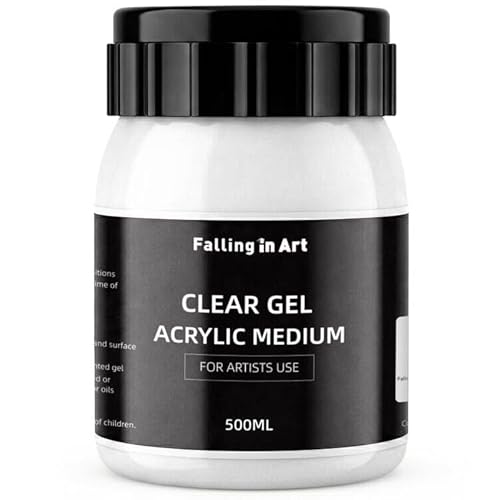
- Holds brushstrokes and peaks
- Dries transparent with gloss
- Works as a mixed-media adhesive
Best For: Glossy impasto and clear mixed-media adhesion
Carvable Texture Pick

- Dries to stone-like hardness
- Sandable and carvable
- Mixes with paint, pigments, or ink
Best For: Sculptural textures that need sanding or carving
Small-Tube Detail Pick

- 5.3 oz tube
- Creamy for raised details
- Quick-drying formula
Best For: Small-scale sculpting and texture details
Matte Heavy-Gel Pick

- Very thick texture-building gel
- Matte, wax-like dry finish
- Flexible and water-resistant when dry
Best For: Heavy acrylic texture with a matte finish
Best for Brushwork
Mont Marte Impasto Acrylic Medium
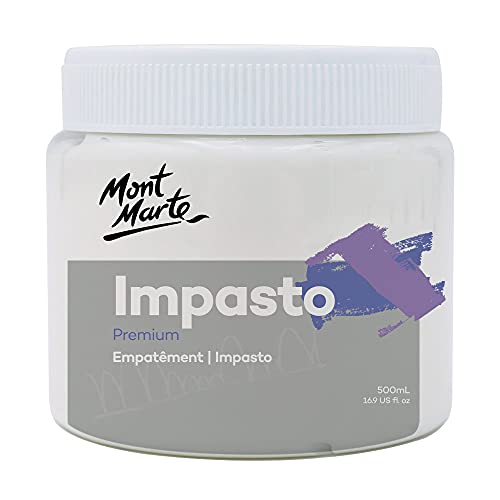
- Mixes with acrylic paint
- Retains brush strokes
- Dries clear; water cleanup
Best For: Raised, expressive acrylic brushwork
Best for Sculpted Texture

- Creamy, workable paste
- Shapes fine or broad details
- White; not water resistant
Best For: Sculpted relief and layered texture
Best Clear Gel
U.S. Art Supply Impasto Gel Medium

- Holds peaks and ridges
- Use alone or with acrylic paint
- Clarity varies with thickness
Best For: Clear-gel impasto and palette-knife marks
Versatile Surface Pick
PHOENIX Modeling Paste, 500 ml

- Sculpts fine or chunky texture
- Suitable for canvas, wood, and metal
- Mixes with acrylic paint
Best For: Mixed-surface textured artwork
Clear-Finish Gel Pick
Handy Art Acrylic Gel Medium, 32 oz

- Dries clear and transparent
- Adds body for impasto texture
- Wide-mouth, resealable quart tub
Best For: Transparent raised acrylic effects
High-Density Relief Pick
Endhokn Modeling Paste, 600 ml

- Holds sculpted raised shapes
- Can be tinted or painted after curing
- Works on canvas, wood, and cardstock
Best For: Pronounced, paintable relief textures
Clear Impasto Pick – Falling in Art Clear Gel Acrylic Medium
If you want acrylic mediums for texture without adding a white base, this 500 ml clear gel is worth a look. Its thick, creamy consistency holds brushstrokes and peaks, and it dries transparent for added depth and gloss.
Best For: Glossy impasto and mixed-media work that calls for a clear adhesive.
Pros:
- Retains brushstrokes and peaks for raised texture.
- Dries transparent without changing the underlying color.
- Can bond objects or hold sand and other textural additives.
Cons:
- Not water-resistant, according to the product details.
- Glossy results may not suit a matte-finish project.
Choose this gel when visible paint handling and a clear, glossy finish matter more than a carved or sanded surface.
Carvable Texture Pick – Falling in Art Modeling Paste
Among acrylic mediums for texture, this white modeling paste suits artists who want a firm surface they can shape after it dries. The water-based paste dries hard and can be sanded or carved for sculptural effects.
Best For: Building dimensional surfaces that you plan to carve, sand, or paint over.
Pros:
- Dries to a stone-like hardness for sturdy relief.
- Can be sanded or carved after drying.
- Accepts acrylic paint, pigments, or ink for custom effects.
- Designed for surfaces including canvas and wood.
Cons:
- White paste is not the right choice when you need a transparent gel.
- Its hard-drying finish may not suit work that needs a soft gel texture.
This is the stronger fit for sculptural planning: build the texture first, then refine its surface once dry.
Small-Tube Detail Pick – Bluebird Thick Modeling Paste
If you are comparing acrylic mediums for texture on smaller projects, Bluebird’s 5.3 oz white modeling paste comes in a tube. Its creamy consistency is intended for sculpting, modeling, and controlled details on surfaces such as canvas and wood.
Best For: Adding raised details when a smaller tube is enough.
Pros:
- Creamy paste is designed for easy manipulation and detailing.
- Suitable for texture work on canvas and wood.
- Quick-drying formula supports layered work.
Cons:
- 5.3 oz tube offers less material than the larger containers in this roundup.
- Not water-resistant, according to the product details.
Pick this one for contained, detail-oriented texture work rather than covering a large surface with heavy relief.
Matte Heavy-Gel Pick – GOLDEN Extra Heavy Gel Matte
For acrylic mediums for texture with a matte finish, GOLDEN Extra Heavy Gel Matte offers a very thick consistency in an 8 fl. oz. jar. It can build texture while also extending paint, altering sheen, or serving as a collage adhesive.
Best For: Thick acrylic texture and paint extension without a glossy finish.
Pros:
- Extra-heavy consistency helps build pronounced texture.
- Dries to a matte, wax-like finish.
- Can extend paint, create glazes, and adhere collage materials.
- Offers flexibility plus chemical, water, and UV resistance when dry.
Cons:
- Matte finish is not suitable if you want a glossy effect.
- Listed dry time is 24 hours.
This is a versatile choice when you want substantial body and matte sheen from the same gel, rather than a white modeling paste.
Best for Brushwork – Mont Marte Impasto Acrylic Medium
Among acrylic mediums for texture, Mont Marte Impasto Acrylic Medium is a practical choice when you want raised paint marks without changing your acrylic color. Mix it with paint to build 3D surfaces and retain brush strokes; it dries clear when used on its own.
Best For: Painters who want visible brushwork and textured acrylic surfaces.
Pros:
- Mixes with acrylic paints.
- Helps retain brush strokes and create 3D texture.
- Dries clear and cleans up with water.
Cons:
- Not listed as waterproof.
- Product details list a 24-hour dry time.
Choose this 500 ml medium for expressive, paint-led texture rather than a standalone sculpting paste.
Best for Sculpted Texture – Nicpro Modeling Paste
If you prefer to shape texture directly, Nicpro Modeling Paste is one of the acrylic mediums for texture suited to sculpting, modeling, and adding dimension. Its creamy, medium-to-high-viscosity paste can be worked into fine details or larger forms on surfaces such as canvas and wood.
Best For: Artists building shaped, three-dimensional details and layered texture.
Pros:
- Workable paste supports fine details and larger forms.
- Suitable for canvas, wood, and other surfaces listed by the maker.
- Described as quick-drying for building layers.
Cons:
- Not water resistant.
- White paste is not a clear-finish option.
Pick this paste when shaping relief matters more than preserving the look of translucent gel.
Best Clear Gel – U.S. Art Supply Impasto Gel Medium
U.S. Art Supply Impasto Clear Acrylic Gel Medium (500ml Tub) | Layering & Extending Acrylic Paint
Check Price On AmazonU.S. Art Supply Impasto Clear Acrylic Gel Medium is a thick gel option among acrylic mediums for texture. Use it alone or mix it with acrylic paint to build ridges, peaks, and palette-knife marks while adding body to the paint.
Best For: Painters seeking dimensional marks from a clear gel medium.
Pros:
- Thick gel helps hold brush strokes and palette-knife marks.
- Mixes with acrylic colors or can be used alone.
- Dries clear when used alone, with transparency varying by thickness.
- Described as flexible and adhesive when dry.
Cons:
- Not water resistant.
- Thicker applications may appear less transparent.
This 500 ml gel is a strong fit for raised marks and mixed-media work when a white modeling paste is not the finish you want.
Versatile Surface Pick – PHOENIX Modeling Paste, 500 ml
For artists comparing acrylic mediums for texture across different surfaces, PHOENIX Modeling Paste offers a medium-to-high-viscosity formula for building fine details or chunky relief on canvas, wood, and metal.
Best For: Mixed-surface projects that need sculptable texture and the option to mix in acrylic color.
Pros:
- Works for detailed marks as well as bold, raised designs.
- Mixes with acrylic paint to create custom shades.
- Soap-and-water cleanup makes tool care straightforward.
Cons:
- The bottle opening may be less convenient for scooping paste with a wide palette knife.
- Its medium-to-high viscosity may be more than you need for subtle, fluid effects.
The 500 ml bottle is a practical choice if you want one paste for varied surfaces and texture styles; choose a gel instead if preserving transparency is the priority.
Clear-Finish Gel Pick – Handy Art Acrylic Gel Medium, 32 oz
If you want acrylic mediums for texture without an opaque paste finish, Handy Art Acrylic Gel Medium is a thick white gel that dries clear and transparent. It adds body for impasto work while letting underlying acrylic color show through.
Best For: Raised acrylic textures where a clear finish matters.
Pros:
- Dries transparent rather than leaving a white relief surface.
- Wide-mouth, resealable quart container accommodates palette knives and wide brushes.
- AP-certified non-toxic formula is made in the USA.
Cons:
- Not the right choice if you want a white, opaque texture paste.
- The 32 oz container may be more medium than an occasional user needs.
This is the more suitable option of the three when transparent dimensional effects take precedence over a white sculpted base.
High-Density Relief Pick – Endhokn Modeling Paste, 600 ml
Among acrylic mediums for texture, Endhokn Modeling Paste is aimed at pronounced relief: its thick, creamy, high-density formula is designed to hold sculpted shapes on surfaces including canvas, wood, and cardstock.
Best For: Artists building raised white textures to paint over or tint with acrylic color.
Pros:
- Thick consistency retains shape for dimensional finishes.
- Can be blended with acrylic paint or painted after curing.
- Can also serve as a primer and accept quartz sand for a different texture.
Cons:
- White paste is less suitable than a clear gel when underlying color needs to remain visible.
- Its high density may be unnecessary for light texture work.
Choose this paste when sculpted height and a paintable surface are the goal, rather than transparent texture.
How We Picked These Acrylic Mediums for Texture
We grouped the selected products by the distinctions that matter most at the easel: clear versus white, gel versus paste, stated finish, intended texture, and container size. The selection spans transparent gels, an extra-heavy matte gel, an impasto medium, and modeling pastes for raised effects. These are useful comparisons for narrowing a shortlist, not a claim that every product will handle identically.
Quick Comparison: Which Type Fits Your Project?
- Clear acrylic gels: Choose these when you want to build thickness while keeping underlying color or imagery visible. Check the stated finish; a gloss gel will look different from a matte one.
- Impasto mediums: Start here for prominent brush or palette-knife marks in acrylic paint. Compare whether a product is described as clear or intended primarily for mixing with color.
- White modeling pastes: Pick these for opaque, sculptural texture that you can leave white or paint over after drying. They are less suitable when transparency is the goal.
Key Buying Factors for Acrylic Mediums for Texture
Transparency and Finish
Decide what should show through the texture. A clear gel is the more natural fit for layered color, while white modeling paste can cover marks beneath it. Among gels, gloss and matte finishes change the appearance of dried work; check the specific listing rather than assuming all gels dry alike.
Body and Application
For ridges, peaks, and knife work, look for a medium described as thick, heavy, or high-density. A softer gel may be easier to spread but may not give you the same pronounced relief. If precise dimensions matter, test a sample: the name alone cannot tell you exactly how a medium will hold a particular mark as it dries.
Mixing, Drying, and Surface
Consider whether you plan to mix the medium into acrylic paint or apply it separately and paint over it. Follow the maker’s directions for compatible surfaces and layer thickness, especially with substantial buildup. Drying time can vary with the depth of the texture and your working conditions; allow thick applications to dry fully before adding a finish or packing the piece.
Quantity and Value
A small jar is practical for sampling a new technique. Larger tubs make more sense for broad backgrounds or frequent palette-knife work. Compare usable volume and price together, and avoid buying a large container solely because its per-ounce cost looks lower.
Who Should Buy Which Acrylic Mediums for Texture?
Color-focused painters: Look first at the clear gel options, choosing gloss or matte to suit your intended finish. Artists after bold painted marks: Compare the impasto medium with thicker gels. Mixed-media and relief artists: Consider the white modeling pastes when coverage and built-up forms matter more than transparency. First-time texture users: Try a smaller container in your preferred category before committing to a large tub.