Choosing the right machine can make repetitive cutting, scoring, and crafting jobs faster, cleaner, and far less frustrating.
This roundup covers 10 of the best options for frequent use, with a focus on reliability, workflow, and the features that matter most in real-world projects.
Best 10 Electronic Cutting Machines for Frequent Use Picks for 2026
Standalone Scanning Convenience

- 300 DPI built-in scanner for scanned designs
- 4.85-inch LCD touchscreen with on-screen editing
- Standalone use or PC connection
Best For: Crafters who want a standalone cutter with built-in scanning
Precision Print & Cut Bundle

- Upgraded 4-point registration for precise cuts
- Deluxe bundle includes vinyl, PixScan mat, and tools
- Cuts materials up to 3mm thick
Best For: Makers who want a quiet, precise machine with bundled software
Auto-Sensing Craft Workhorse
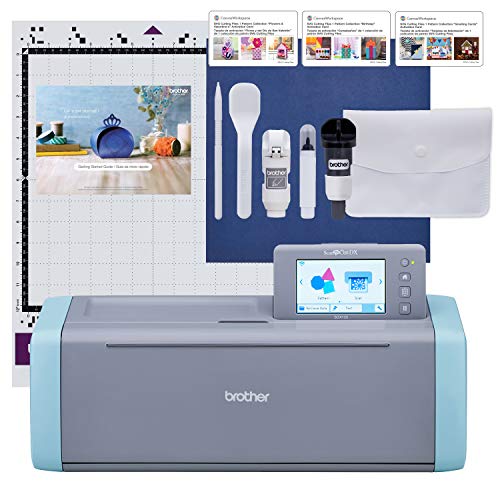
- Built-in scanner converts drawings into cut files
- Auto blade senses material thickness automatically
- Cuts up to 3mm across paper, vinyl, fabric, and more
Best For: Crafters who want automatic material sensing and built-in scanning
Electric Die-Cutting Simplicity

- Automated feeder with one-touch reverse
- 9-inch opening for various cutting pads
- Starter kit includes Thinlits and embossing folder
Best For: Crafters who want an electric die-cutting and embossing machine
Quilting-Ready Precision
Brother ScanNCut DX SDX325 Electronic Cutting Machine

- 1,303 built-in designs and 17 fonts
- Auto-detect blade cuts materials up to 3 mm
- Wireless-ready with a 5" LCD touch screen
Best For: Quilters and makers who need scanning, fabric cutting, and frequent editing
Heavy-Duty Die Cutting
CraftGenes A4 Electric Die Cutting and Embossing Machine

- 200W motor with 220 mm opening
- Automatic feed sensors and no manual crank
- Starter kit includes plates, dies, folders, and cardstock
Best For: Card makers and scrapbookers who want a powered starter setup
All-Purpose Cutting for Sewers
Brother SDX125EGY ScanNCut DX with Accessories

- 682 built-in designs with 100 quilt patterns
- Auto blade detects thickness and cuts up to 3 mm
- Wireless transfer works with CanvasWorkspace
Best For: Quilters and sewers who want an easy-to-use fabric and craft cutter
Classic Cartridge Crafting
Cricut Personal Electronic Cutting Machine

- Portable cutter for cards and scrapbooks
- Cuts paper, cardstock, vellum, and vinyl
- No computer required; includes starter cartridge
Best For: Frequent paper crafters who want a simple, compact cutter
Wide-Opening Electric Embossing

- 9-inch opening fits A4 paper and most dies
- Automatic electric operation reduces hand cranking
- Works with standard and 3D embossing folders
Best For: Repeat cardmaking and embossing with a wider work area
Long-Range Layout Cutting
Cricut Expression Electronic Cutting Machine
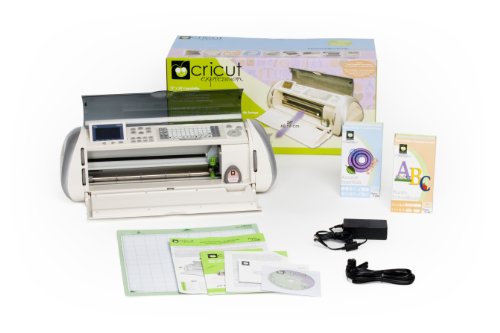
- Wide cut range from 1/4 inch to 23-1/2 inches
- No-computer cartridge system with LCD controls
- Suited to scrapbooks, decor, and signage
Best For: Larger recurring paper projects and classroom or display use
Standalone Scanning Convenience – Brother CM350 ScanNCut2
If you want electronic cutting machines for frequent use that can also scan and edit without relying on a separate design process, the Brother CM350 ScanNCut2 is built for that workflow. Its 300 DPI scanner, large touchscreen, and on-screen editing make it practical for repeat projects, especially when you want to turn sketches or scanned images into cut designs quickly.
Best For: Crafters who want a standalone cutter with built-in scanning and easy touchscreen editing.
Pros:
- Built-in 300 DPI scanner helps turn scanned images into cut designs.
- 4.85-inch LCD touchscreen supports on-screen editing and function selection.
- Can operate standalone or connect to a PC for added flexibility.
- Includes a 12″ x 12″ cutting mat with upgrade options for larger projects.
Cons:
- Wireless connectivity requires a ScanNCut Online activation card, which is not included.
- Compatible operating systems are limited to specific Windows versions.
- Instructional manual should be reviewed before use.
For users who value scanning and editing in one machine, this model keeps the process self-contained and practical. It suits frequent crafting when you want quick setup, direct design conversion, and a familiar touchscreen interface.
Precision Print & Cut Bundle – Silhouette Cameo 5 Alpha
Among electronic cutting machines for frequent use, the Silhouette Cameo 5 Alpha is aimed at users who want speed, precision, and a bundle that gets projects moving right away. It supports print-and-cut work with an upgraded 4-point registration system, quiet operation, and software included for a smoother workflow on regular craft or small-business jobs.
Best For: Makers who want a quiet, precise machine with bundled software and materials.
Pros:
- Upgraded 4-point registration system supports precise print-and-cut results.
- Deluxe bundle includes vinyl sheets, PixScan mat, tool kit, and more.
- Included Business Edition software helps streamline the design workflow.
- Cuts a wide variety of materials up to 3mm thick.
Cons:
- Bundle-focused value may include extras some users do not need.
- Compatible device information in the notes is listed for PC.
- Max material thickness is 3mm, so it is not meant for thicker stock.
This is a strong pick if you want a machine that can handle repeated cutting tasks with less setup friction. The included accessories and software make it especially appealing when you need a ready-to-use cutter for frequent projects.
Auto-Sensing Craft Workhorse – Brother SDX125E ScanNCut DX
The Brother SDX125E is a practical option if you need electronic cutting machines for frequent use and want the machine to handle more of the setup for you. Its built-in scanner, automatic material sensor, and broad material support make it useful for repeat crafting across paper, vinyl, fabric, and other common project materials.
Best For: Crafters who want automatic material sensing and built-in scanning for varied projects.
Pros:
- Built-in scanner can convert drawings into cut files and place designs accurately.
- Auto blade technology detects material thickness with no blade adjustment or material selection required.
- Can cut materials up to 3mm thick, including paper, vinyl, fabric, and more.
- Includes a touchscreen LCD and 682 built-in designs for quick project starts.
Cons:
- Wireless capability and USB expansion are useful, but setup details may still matter for some users.
- Trial/test cuts are still recommended before final projects.
- Warranty and intended sale are limited to the US 120V market.
For frequent use, this model stands out because it reduces manual adjustment and keeps the workflow moving. The combination of scanning, auto-sensing, and broad material compatibility makes it a versatile everyday cutter.
Electric Die-Cutting Simplicity – Sizzix Big Shot Switch Plus
If your version of electronic cutting machines for frequent use is centered on die cutting and embossing, the Sizzix Big Shot Switch Plus keeps the process simple with an automated feeder and one-touch reverse. Its 9-inch opening and overload detection system make it a straightforward pick for card making, scrapbooking, and papercraft.
Best For: Crafters who want an electric die-cutting and embossing machine with easy feeding.
Pros:
- Automated feeder with one-touch reverse supports smooth die cutting.
- 9-inch opening accommodates various sized cutting pads.
- Overload detection system adds a layer of protection during use.
- Starter kit includes 24 Thinlits and a 3-D embossing folder.
Cons:
- Not suitable for Bigz Scoreboards.
- Designed for Sizzix technologies, so compatibility is more limited than universal cutters.
- Focused on die cutting and embossing rather than scanning-based design workflows.
This machine is a good fit when your projects revolve around dies and embossing instead of scanned or custom cut files. It offers a convenient automated feeding setup that can help keep regular craft sessions moving efficiently.
Quilting-Ready Precision – Brother ScanNCut DX SDX325 Electronic Cutting Machine
If you need electronic cutting machines for frequent use, the Brother ScanNCut DX SDX325 is built for repeatable crafting with a strong focus on scanning, fabric cutting, and on-screen control. Its auto-detect blade system, wireless connection, and large touch display make it practical for users who move between quilting, paper projects, and custom design work.
Best For: Quilters, sewists, and makers who want a versatile machine for fabric, scanning, and detailed project editing.
Pros:
- 1,303 built-in designs, including 140 quilt patterns and 17 lettering fonts.
- Thin Fabric Auto Blade supports fabric cutting for quilting and raw edge applique.
- Blade Sensor Technology automatically detects material thickness up to 3 mm.
- Wireless network support and a 5" LCD touch screen simplify frequent workflow changes.
Cons:
- Best suited to users who will take advantage of the advanced scanning and editing features.
- Fabric cutting specs are specific, so ultra-thick materials are outside the stated range.
This model stands out when your projects demand flexibility and consistency over time. It offers the kind of built-in tools and automated detection that can help reduce setup steps across repeated sessions.
Heavy-Duty Die Cutting – CraftGenes A4 Electric Die Cutting and Embossing Machine
For buyers comparing electronic cutting machines for frequent use, the CraftGenes A4 Electric Die Cutting and Embossing Machine focuses on powered die cutting and embossing without a manual crank. Its 200W motor, automatic feed sensors, and included starter kit make it a straightforward option for cardmaking, scrapbooking, and general DIY craft sessions.
Best For: Crafters who want an electric die cutting and embossing machine for cards, layouts, and starter projects.
Pros:
- 200W motor with a 220 mm opening for A4-format projects.
- Automatic feed sensors and no manual crank simplify operation.
- Starter kit includes plates, folders, die sets, a stamp set, and cardstock.
- Designed for card making, scrapbooking, embossing, and larger craft projects.
Cons:
- Requires correct plate stacking, with the total setup kept between 8 and 9 mm.
- The instructions note that users should add the plastic shim gradually rather than forcing thick stacks.
This is a practical pick if you want a powered machine that arrives with core accessories already in the box. The setup guidance suggests it works best when you follow the stated sandwich thickness carefully.
All-Purpose Cutting for Sewers – Brother SDX125EGY ScanNCut DX with Accessories
The Brother SDX125EGY is a strong fit for electronic cutting machines for frequent use when you want a balance of detailed design options and easy material detection. With built-in quilt patterns, wireless transfer, and the ability to cut materials up to 3 mm thick, it is aimed at users who need dependable results across fabric and craft projects.
Best For: Quilters and sewers who want a versatile machine for fabric cutting and detailed designs.
Pros:
- 682 built-in designs, including 100 quilt patterns and 9 fonts.
- Auto blade detects material thickness, so no blade adjustment is required.
- Cuts materials like foam and felt up to 3 mm thick.
- Wireless support works with CanvasWorkspace for transferring cut data.
Cons:
- Fewer built-in designs than the higher-tier Brother model in this list.
- Feature set is strongest for sewing and quilting rather than heavy die cutting.
If your priority is a reliable everyday cutter for sewing and craft tasks, this model keeps the workflow simple with auto blade detection and wireless data transfer. It is especially appealing when you want quilting features without a steep setup process.
Classic Cartridge Crafting – Cricut Personal Electronic Cutting Machine
The Cricut Personal Electronic Cutting Machine is a straightforward option for people looking for electronic cutting machines for frequent use in paper crafts. It cuts letters, shapes, and phrases from vellum, paper, cardstock, and vinyl, and its cartridge-based design means you can get started without a computer.
Best For: Card makers and scrapbookers who want a compact, no-computer cutting machine for regular paper craft projects.
Pros:
- Portable design for greeting cards, scrapbooks, and other paper crafts
- Cuts from 1 inch up to 5-1/2 inches tall
- Works with paper, cardstock, vellum, and vinyl
- Includes George and Basic Shapes cartridge
Cons:
- Cartridge-based system may feel less flexible than newer digital models
- Smaller cutting size range than larger-format machines
- 1-year limited warranty only
This machine makes sense if your workflow is built around repeat paper-craft tasks and you value simplicity over advanced features. It is best viewed as a dependable, compact cutter for everyday card and scrapbook work.
Wide-Opening Electric Embossing – 9-inch Electronic Die Cutter
This electronic die cutting machine is built for frequent use in cardmaking and scrapbooking, especially when you need a wider work area. Its 9-inch opening fits A4 paper and most standard cutting dies, and the automatic electric operation is designed to reduce hand cranking during longer crafting sessions.
Best For: Crafters who want a wide-opening electric machine for repeated cardmaking, embossing, and layered paper projects.
Pros:
- 9-inch opening supports A4 paper and most standard cutting dies
- Automatic electric operation reduces manual effort
- Compatible with ordinary thickness and 3D embossed folders
- 110V US plug is ready for standard household use
Cons:
- Best suited to paper crafts rather than broader material use
- Product details focus on embossing and die cutting, not advanced digital controls
For frequent crafters, the appeal here is efficient, stable operation and a larger opening that can handle common paper sizes. It is a practical choice when your projects lean toward repeated cardmaking and embossing work.
Long-Range Layout Cutting – Cricut Expression Electronic Cutting Machine
The Cricut Expression Electronic Cutting Machine is aimed at frequent use when you need more cutting range for larger paper projects. It handles scrapbooks, classroom decor, signage, and more, and its cartridge system works without a computer for a simpler setup.
Best For: Users who need a larger cutting range for recurring scrapbook, decor, and signage projects.
Pros:
- Cuts from 1/4 inch to 23-1/2 inches
- Cartridge system requires no computer
- Easy-to-read LCD screen with 6 modes and 4 functions
- Includes Plantin SchoolBook and Accent Essentials cartridges
Cons:
- Cartridge-based design may limit workflow flexibility
- Bulkier feature set may be more than needed for simple everyday cuts
If your routine includes bigger layouts or mixed-use paper projects, this model offers a much wider cut range than compact machines. It is a solid fit when frequent use means handling everything from classroom visuals to large scrapbook elements.
How We Picked the Best Electronic Cutting Machines for Frequent Use
For Electronic Cutting Machines for Frequent Use, we focused on build quality, cutting consistency, software ease, supported materials, automation features, and the tools that reduce day-to-day setup time. We also prioritized machines with strong user support, practical accessory ecosystems, and features that help maintain output over repeated sessions.
Quick Comparison
In general, the best choices fall into a few groups: scanner-based machines for design flexibility, app/software-driven cutters for faster workflow, and electric die-cutting machines for straightforward paper, cardstock, and embossing tasks. If you cut often, the right balance of speed, material compatibility, and maintenance is usually more important than the longest spec sheet.
Key Buying Factors for Electronic Cutting Machines for Frequent Use
Cutting Consistency and Motor Strength
Frequent use puts more stress on the blade carriage, feed rollers, and motor. Look for stable cutting depth, repeatable results, and a machine that can handle long sessions without drifting or requiring constant manual correction.
Software, Scanning, and Workflow
Software can make or break productivity. If you regularly work from custom artwork or batch projects, scanner-equipped machines can save time by reducing prep work. If you want speed and simplicity, choose a machine with software you can learn quickly and use without constant troubleshooting.
Material and Project Range
Think beyond paper. For frequent use, it helps if the machine can handle vinyl, cardstock, heat-transfer materials, fabric-friendly tasks, and thicker media when needed. A wider material range gives you more value as your project mix grows.
Automation and Convenience
Auto-adjusting blades, built-in storage, quiet operation, and easy mat loading can all improve everyday use. Small conveniences matter more when you are cutting in batches or working on multiple projects back to back.
Who Should Buy Which Electronic Cutting Machines for Frequent Use?
Crafters who want the easiest path to custom designs should consider scanner-based models. Makers who value a streamlined software workflow may prefer app-friendly smart cutters. If your work is mostly cardstock, invitations, or embossing, an electric die-cutting machine may be the simplest and most durable choice. For small businesses or heavy hobby use, pick the model with the strongest support ecosystem and the fewest workflow bottlenecks.
In short, the best Electronic Cutting Machines for Frequent Use are the ones that save time every session, not just the ones with the biggest feature list.