Choosing the right cutting machine can make a big difference in output quality, workflow speed, and production consistency. For professional makers, the best model is the one that matches your materials, volume, and software needs.
This roundup focuses on reliable, capable machines built for serious crafting, small-batch production, and design-driven work.
Best 10 Electronic Cutting Machines for Professional Makers Picks for 2026
Wide-Format Precision Cutter
Silhouette Cameo 5 Alpha Plus 15" Vinyl Cutter

- 15-inch width for larger projects
- Cuts up to 400mm/s with quiet operation
- 4-point registration for accurate print-and-cut
Best For: Wide-format makers who need speed and accurate alignment
Scanner-Enabled Cutting Machine
Brother SDX125E ScanNCut with Built-In Scanner
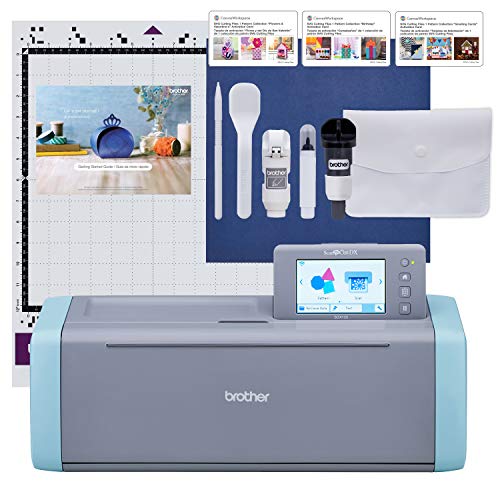
- Built-in scanner turns drawings into cut files
- Auto blade senses material thickness automatically
- Cuts up to 3mm materials like vinyl, fabric, and balsa
Best For: Makers who want scanning, custom files, and quilting support
Quiet Multi-Material Cutter
Silhouette Cameo 5 Alpha Smart Cutting Machine

- 4-point registration for accurate print-and-cut
- Quiet cutting with speeds up to 400mm/s
- Cuts materials up to 3mm thick
Best For: Quiet studios that need versatile cutting and alignment
Quilting-Ready Auto Blade Cutter
Brother SDX125EGY ScanNCut DX with Accessories

- Auto blade sensor needs no manual adjustment
- Wireless transfer from PC or mobile device
- 1/4-inch seam allowance support for quilting
Best For: Quilters and sewers who want easy setup and wireless transfer
Editor’s Pick
Cricut Maker 4 Smart Cutting Machine

- Cuts 300+ materials for wide project flexibility
- Also draws, foils, scores, engraves, debosses, and perforates
- Bundle includes tools, materials, and 30 bonus Design Space images
Best For: Makers who want an all-in-one cutter for mixed-material projects
Quilting-Friendly Choice

- 1,303 built-in designs, including quilt patterns and lettering fonts
- Thin Fabric Auto Blade supports quilting and raw edge applique
- Blade Sensor Technology cuts materials up to 3mm thick
Best For: Quilters and fabric makers who want built-in designs and scan-to-cut control
Small-Business Starter

- Bundle includes sticker paper, vinyl, tools, and the Maker 4
- Print Then Cut supports precise custom sticker production
- Aimed at stickers, labels, decals, and packaging projects
Best For: Etsy sellers and small businesses focused on stickers and labels
Legacy Cartridge Cutter
Cricut Expression Electronic Cutting Machine
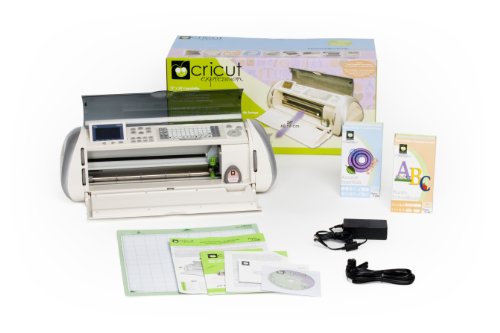
- No-computer cartridge system
- Cuts from 1/4 inch to 23-1/2 inches
- Includes two starter cartridges
Best For: Standalone crafting with simple cartridge-based operation
Compact AI Vinyl Cutter
Likcut S501 Vinyl Cutter Machine

- AI voice and text-to-design tools
- Bluetooth 5.0 and USB 2.0 connectivity
- 1,000,000+ designs and 1,000+ fonts
Best For: Compact, beginner-friendly vinyl cutting with guided software
Precision Multi-Material Cutter
VEVOR Automatic Edge Detection Vinyl Cutter Machine

- ±0.1 mm cutting accuracy
- Works with SVG, EPS, PLT, and AI files
- Cuts 100+ materials with 10 pressure levels
Best For: Precision cutting across many materials and file formats
Wide-Format Precision Cutter – Silhouette Cameo 5 Alpha Plus 15" Vinyl Cutter
If you’re comparing electronic cutting machines for professional makers, the Silhouette Cameo 5 Alpha Plus stands out for speed, precision, and larger-format work. With cutting speeds up to 400mm/s, a 15-inch cutting width, and 4-point registration, it’s built for clean print-and-cut output and efficient production across vinyl, paper, fabric, and more.
Best For: Makers who need a wide-format cutter for fast, accurate print-and-cut jobs and varied materials.
Pros:
- Up to 15-inch cutting width for larger projects and long designs.
- 4-point registration system supports accurate print-and-cut alignment.
- AutoBlade and Fast Sketch Mode help speed up workflow.
- Electrostatic mat helps keep material flat without curling or tearing.
Cons:
- Best suited to users who will take advantage of the wider format.
- Advanced software tools may be more than casual hobbyists need.
The Cameo 5 Alpha Plus is a strong fit when precision and throughput matter more than basic crafting convenience. Its combination of width, speed, and quiet automated features makes it a practical choice for serious makers working on detailed, repeatable jobs.
Scanner-Enabled Cutting Machine – Brother SDX125E ScanNCut with Built-In Scanner
For electronic cutting machines for professional makers who want scanning built in, the Brother SDX125E ScanNCut is a practical all-in-one option. It can scan drawings and materials directly into cut files, includes 682 built-in designs, and uses an auto blade with automatic material sensing so you can move from idea to cut without manual blade adjustments.
Best For: Crafters who want a scanner-first cutter for custom files, stickers, quilting, and mixed materials.
Pros:
- Built-in scanner converts drawings and materials into cut files.
- Auto blade sensor detects material thickness automatically.
- Cuts materials up to 3mm thick, including paper, vinyl, fabric, and balsa wood.
- 682 built-in designs, plus quilting patterns and fonts, expand project options.
Cons:
- Best results still require a trial cut, as noted by the manufacturer.
- Designed for 120V US use only, which limits portability for some buyers.
This model is especially useful when you want to turn sketches or printed artwork into cut-ready files quickly. It offers strong material flexibility and a feature set that supports both general craft work and more specialized sewing or quilting projects.
Quiet Multi-Material Cutter – Silhouette Cameo 5 Alpha Smart Cutting Machine
The Silhouette Cameo 5 Alpha is a versatile choice among electronic cutting machines for professional makers who need accurate print-and-cut work without loud operation. Its 4-point registration system, Fast Sketch Mode, Intelligent Path Technology, and support for materials up to 3mm thick make it a well-rounded option for vinyl, fabric, paper, and embossing projects.
Best For: Quiet home or studio work that needs accurate print-and-cut results across multiple materials.
Pros:
- 4-point registration improves alignment for printed images, stickers, and heat transfers.
- Intelligent Path Technology helps produce smoother, cleaner cuts.
- Fast Sketch Mode speeds up sketching and drawing tasks.
- Ultra-quiet operation is useful in shared workspaces.
Cons:
- Does not include the larger 15-inch cutting width of the Plus model.
- Advanced features may be more than a basic starter needs.
This version is a smart pick if you want the Silhouette workflow in a quieter, more compact package. It balances speed, accuracy, and material flexibility in a way that suits serious makers working on mixed creative jobs.
Quilting-Ready Auto Blade Cutter – Brother SDX125EGY ScanNCut DX with Accessories
If you need electronic cutting machines for professional makers that can handle sewing and quilting tasks as well as general craft work, the Brother SDX125EGY ScanNCut DX is worth a close look. It includes 682 built-in designs, wireless transfer from CanvasWorkspace, and auto blade sensor technology that detects thickness without manual blade adjustment.
Best For: Quilters, sewers, and makers who want auto-sensing cuts and wireless file transfer.
Pros:
- Auto blade sensor eliminates manual blade adjustment.
- Wireless connectivity works with PC or mobile device transfers.
- Includes 682 built-in designs, plus quilting patterns and fonts.
- 1/4-inch seam allowance support is useful for sewing and piecing fabric.
Cons:
- No built-in scanner is listed for this version.
- Accessory bundle is geared more toward sewing than broad production needs.
This model is best when your workflow includes fabric piecing, quilting, and pattern management. It keeps setup simple with automatic sensing while adding wireless convenience for transferring designs from your device.
Editor’s Pick – Cricut Maker 4 Smart Cutting Machine
If you want one of the most versatile electronic cutting machines for professional makers, the Cricut Maker 4 is built for broad material support and multi-step crafting. It cuts 300+ materials and also draws, foils, scores, engraves, debosses, and perforates, making it a strong all-in-one option for detailed production work.
Best For: Makers who want a flexible all-in-one machine for vinyl, leather, wood, cardstock, and print-then-cut projects.
Pros:
- Works with 300+ materials, including leather, wood, vinyl, iron-on HTV, and cardstock
- Supports drawing, foiling, scoring, engraving, debossing, and perforating
- Includes a bundle with blade, mat, pen, weeder, materials sampler, and 30 bonus images
- Print-Then-Cut works with most inkjet printers for stickers and full-color designs
Cons:
- Design Space is required for use, so the workflow is software-dependent
- Some of the full image and font library requires the optional Cricut Access subscription
For makers who want a broad feature set and a bundle that helps them start quickly, this is the most versatile option here. The mix of machine capabilities and included materials makes it especially practical for multi-format projects.
Quilting-Friendly Choice – Brother ScanNCut DX SDX325
The Brother ScanNCut DX SDX325 stands out among electronic cutting machines for professional makers who work with fabric and detailed custom designs. It includes 1,303 built-in designs, a Thin Fabric Auto Blade for quilting and raw edge applique, and Blade Sensor Technology that automatically detects material thickness for cleaner cuts.
Best For: Quilters and makers who want built-in designs, fabric cutting support, and on-machine editing.
Pros:
- Includes 1,303 built-in designs, plus 140 quilt patterns and 17 lettering fonts
- Thin Fabric Auto Blade helps cut fabric for quilting and raw edge applique
- Blade Sensor Technology cuts materials up to 3mm thick and detects thickness automatically
- 5″ LCD touch screen supports editing, resizing, welding, rotating, and scanning
Cons:
- Wireless use depends on connection through a wireless network
- Some advanced workflows may rely on scanning and touchscreen editing rather than plug-and-play simplicity
This is a strong pick for fabric-focused work because it combines scanning, built-in content, and automatic blade sensing. It should appeal to makers who want more control over quilt and applique projects without giving up convenience.
Small-Business Starter – Cricut Maker 4 Sticker Bundle
For sellers focused on stickers and labels, this Cricut Maker 4 bundle is a practical entry point among electronic cutting machines for professional makers. It pairs the Maker 4 with printable sticker paper, adhesive vinyl, and tools, plus Print Then Cut support for making custom stickers and decals with an inkjet printer.
Best For: Small business owners and Etsy sellers making stickers, labels, and simple decal products.
Pros:
- Includes printable sticker paper, adhesive vinyl, and tools for getting started
- Print Then Cut supports precise sticker production with an inkjet printer
- Designed for custom stickers, labels, water-bottle decals, and packaging use
- Bundle is geared toward starting quickly with project guidance included
Cons:
- Best suited to sticker and decal workflows rather than broad fabrication tasks
- Requires Cricut Design Space and an inkjet printer for Print Then Cut projects
If your main goal is turning out sellable sticker products, this bundle is the most targeted option. It gives you the machine, materials, and workflow support to start producing right away.
Legacy Cartridge Cutter – Cricut Expression Electronic Cutting Machine
If you’re comparing electronic cutting machines for professional makers who want a straightforward, computer-free workflow, the Cricut Expression is a classic cartridge-based option. It’s built for cutting scrapbook elements, classroom decor, signage, and other large-format craft projects, with sizes from 1/4 inch up to 23-1/2 inches.
Best For: Makers who prefer a standalone cutter with no computer requirement and want a simple setup for paper-based and signage-style projects.
Pros:
- Cartridge system works without a computer, which simplifies setup.
- Cuts a wide range of sizes, from small details to 23-1/2-inch pieces.
- LCD screen plus 6 modes and 4 functions make operation more flexible.
- Includes Plantin SchoolBook and Accent Essentials cartridges to get started.
Cons:
- Cartridge-based workflow is less modern than software-driven cutters.
- At 20 pounds, it is relatively heavy for frequent moving.
Overall, this is a practical pick if you want an electronic cutting machine that favors reliability and simplicity over advanced software features. It suits makers who value direct control and ready-to-cut cartridge content.
Compact AI Vinyl Cutter – Likcut S501 Vinyl Cutter Machine
For buyers looking at electronic cutting machines for professional makers in a compact format, the Likcut S501 focuses on speed, guided software, and easy setup. It is designed for DIY projects like cards, home decor, party decor, memory keeping, and vinyl stickers, while staying portable enough for small spaces.
Best For: Makers who want a compact, beginner-friendly vinyl cutter with modern software support and a large design library.
Pros:
- Bluetooth 5.0 and USB 2.0 support quick, stable connections.
- AI-powered voice and text-to-design tools reduce software complexity.
- Over 1,000,000 designs and more than 1,000 fonts expand creative options.
- Built-in front cover storage helps keep tools and materials organized.
Cons:
- Compact 4.5-inch size may limit larger project workflows.
- Best suited to guided digital creation rather than fully manual control.
In practice, this machine is aimed at makers who want a streamlined entry into vinyl cutting without a steep learning curve. Its portable design and AI-assisted tools make it a strong fit for quick, organized creative work.
Precision Multi-Material Cutter – VEVOR Automatic Edge Detection Vinyl Cutter Machine
If you need electronic cutting machines for professional makers that emphasize accuracy and material flexibility, the VEVOR cutting machine is built around precise, software-assisted work. It offers automatic edge detection, supports multiple file formats, and handles everything from adhesive vinyl to cardstock and EVA foam.
Best For: Users who want a precision-focused cutter for a broad mix of materials, file types, and DIY or pro-level projects.
Pros:
- ±0.1 mm accuracy and automatic edge detection support precise cuts.
- Compatible with SVG, EPS, PLT, and AI file formats.
- Cuts 100+ materials, including vinyl, HTV, cardstock, and EVA foam.
- Includes design software, a pre-made design library, and 7 materials to start.
Cons:
- Max cut size is 13 inches, which may be limiting for larger output.
- Software compatibility is tied to specific Windows and Mac options.
This is a strong option for makers who value precision and material versatility more than a minimal setup. The touchscreen, broad file support, and included accessories make it useful for a workspace that handles varied cutting jobs.
How We Picked These Electronic Cutting Machines for Professional Makers
We prioritized machines that offer a strong mix of accuracy, material flexibility, workflow efficiency, and long-term value. For Electronic Cutting Machines for Professional Makers, that means looking beyond basic hobby use and focusing on features that support repeatable results, broader media compatibility, and easier production scaling.
We also considered setup simplicity, software ecosystem, accessory availability, and whether the machine is better suited to vinyl, paper, stickers, fabric, or mixed-media workflows.
Quick Comparison: Which Type Fits Your Workflow?
If you need larger-format cutting and faster production, look at machines with wider cut paths and advanced registration support. If your work depends on scanning, tracing, or material versatility, a model with built-in scanning can save time. For sticker makers and print-then-cut users, precise alignment and reliable auto-detection matter more than raw speed.
Compact cutters can be a smart choice for small studios, mobile setups, or specialty jobs, while larger smart cutters are better for makers who handle frequent orders or varied materials.
Key Buying Factors for Electronic Cutting Machines for Professional Makers
Cutting Width and Material Capacity
Make sure the machine can handle your common project sizes without awkward tiling. Wider machines are usually better for signage, apparel transfers, and larger decals, while smaller models can still be ideal for labels and detail work.
Software, File Support, and Workflow
Professional users should pay close attention to software compatibility, ease of import, and whether the machine supports common design file types. A smooth workflow matters just as much as cut quality, especially when you are producing to deadline.
Registration and Alignment Accuracy
For print-and-cut jobs, sticker production, and multi-layer designs, reliable registration features are essential. Small alignment errors can waste materials and time, so precision should be a top priority.
Speed, Noise, and Consistency
Faster cutting can improve throughput, but only if it stays accurate across repeated jobs. Quieter operation is also a real advantage in shared studios and home workspaces.
Accessories and Expandability
Look for strong blade options, mat sizes, and accessory support. Machines that adapt to more materials and project types tend to offer better long-term value for growing businesses.
Who Should Buy Which Electronic Cutting Machines for Professional Makers?
If you want a versatile all-rounder, choose a machine built for mixed materials and dependable software support. If your work centers on scanning, tracing, or detailed paper and vinyl jobs, a ScanNCut-style model may be the better fit. If you need sticker production or print-then-cut capability, prioritize alignment tools and easy calibration. And if you are mainly looking for compact, budget-friendly output for lighter professional use, a smaller cutter can still be a practical choice.
The best option is the one that fits your daily workflow, not just your wishlist. For professional makers, that usually means balancing precision, speed, and software reliability first, then choosing the machine that matches your project mix.