Webbing can shift, stack up at folded ends, and resist feeding evenly. The right industrial machine depends on the thickness of your assembly—not just its advertised speed.
These six options include walking-foot and straight-stitch lockstitch machines, with different motor and table packages. Here’s how to narrow the field for the seams you actually sew.
Best 6 Industrial Sewing Machine for Webbing Picks for 2026
Best Walking-Foot Option
Consew P1206RB Upholstery Machine
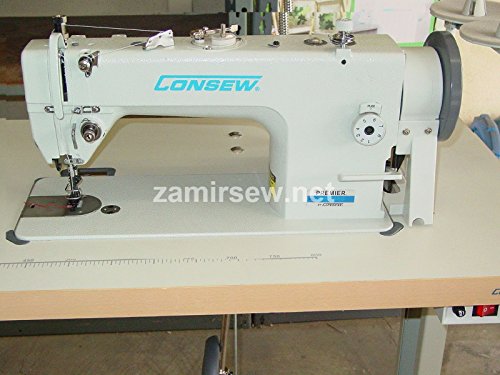
- Walking foot plus needle and drop feed
- Table and servo motor included
- Ships unassembled in three boxes
Best For: Layered upholstery and canvas work
Best Head-Only Option
JUKI DDL-8700H Heavy-Material Head
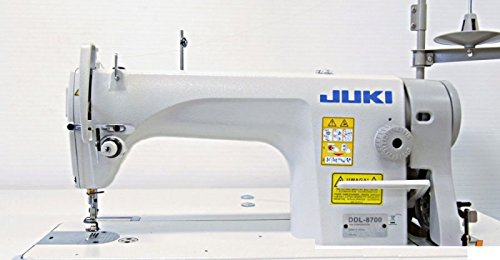
- Heavy-material lockstitch head
- Rated up to 4,000 rpm
- No table, motor, or walking foot
Best For: Buyers assembling their own heavy-material setup
Best Controls and Workstation

- 550W servo motor and table stand
- Touchscreen and automated controls
- Listing gives conflicting speed figures
Best For: Buyers wanting a workstation with adjustable controls
Head-Only Workshop Pick
DDL-8700-Style Straight-Stitch Head
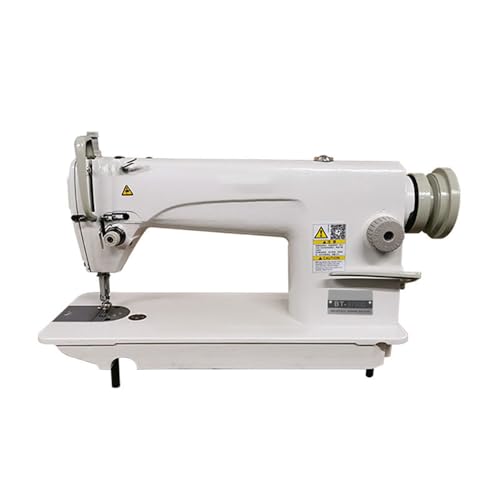
- Head only; table and motor separate
- Up to 5,000 stitches per minute
- Reverse feed and 0–5 mm stitches
Best For: Equipped workshops sewing straight-stitch bags and canvas goods
Complete Juki Station
DDL-8700H Heavy-Material Lockstitch

- Table and 110V servo motor included
- Adjustable reverse feed
- Assembly required; no walking foot
Best For: Buyers assembling a Juki heavy-material straight-stitch station
Walking-Foot Table Package

- Walking-foot feed for dense layers
- Claimed 0.4-inch material capacity
- Table, stand, pedal, and motor included
Best For: Workshops handling thick canvas or upholstery layers
Best Walking-Foot Option – Consew P1206RB Upholstery Machine
If you need an industrial sewing machine for webbing projects involving canvas or upholstery, the Consew P1206RB is worth considering for its walking-foot, needle-feed, and drop-feed design. Its listed applications include bags, luggage, covers, and outdoor equipment, though the notes do not specify a webbing thickness capacity.
Best For: Upholstery and canvas work where layered materials benefit from a walking-foot feed.
Pros:
- Walking foot, needle feed, and drop feed provide multiple feeding mechanisms.
- Listed for light- to heavy-weight materials, including leather, vinyl, and canvas.
- Includes a table and servo motor.
Cons:
- Delivered unassembled in three separate boxes.
- Listed weight is 185 pounds.
Choose this model if feeding layered upholstery or canvas matters more than a quick setup. Confirm that your particular webbing and thread combination suits the machine before buying.
Best Head-Only Option – JUKI DDL-8700H Heavy-Material Head
JUKI DDL8700H High-Speed Lock-Stitch Sewing Machine for Heavy Material DDL-8700H- Head Only
Check Price On AmazonFor shoppers comparing an industrial sewing machine for webbing with heavy-material lockstitch models, the JUKI DDL-8700H is a head-only option rated for work such as jeans, some leathers, and boat canvas. It is not a walking-foot machine, and the supplied notes do not establish a webbing capacity.
Best For: Buyers prepared to supply a compatible table and motor for a heavy-material lockstitch setup.
Pros:
- Specified maximum sewing speed of 4,000 rpm.
- Offers up to 5 mm stitch length and 5.5–13 mm presser-foot lift.
- Includes a thread stand, bobbin winder, oil pan, and knee lifter.
Cons:
- Table and motor are not included.
- Not a walking-foot machine.
This is a practical choice when you want to build around a heavy-material machine head. For webbing assemblies that require a walking foot, look elsewhere; verify your specific material stack before committing.
Best Controls and Workstation – 550W Servo Lockstitch Machine
If you want an industrial sewing machine for webbing-related projects such as belts, canvas goods, or bags, this lockstitch model combines a 550W servo motor with a table stand and touchscreen controls. Its listing claims a material capacity of approximately 9 mm ±1 mm, but does not provide a webbing-specific rating.
Best For: Buyers who want an included workstation and adjustable controls for varied sewing projects.
Pros:
- Includes a table stand, LED lighting, and a 550W servo motor.
- Touchscreen provides speed and direction settings; needle-position and slow-start controls help with maneuvering.
- Listing describes automatic thread trimming, reverse stitching, and presser-foot lift.
Cons:
- Supplied notes conflict on speed: one claim says 8,000 stitches per minute, while the item highlight says 5,000 SPM.
- No walking-foot mechanism is specified.
The included workspace and controls make this a convenient candidate, but confirm the actual speed specification and test requirements for your webbing thickness before purchase.
Head-Only Workshop Pick – DDL-8700-Style Straight-Stitch Head
If you already have a compatible table and motor, this head-only industrial sewing machine for webbing is worth considering for straight lockstitch work. Its listed applications include canvas, leather, bags, and other heavy materials, though the notes do not establish a specific webbing capacity.
Best For: Workshops equipped to install a sewing head and make straight-stitch bags or canvas goods.
Pros:
- Listed maximum speed of 5,000 stitches per minute.
- Automatic bobbin winder and knee-operated presser-foot lift.
- Reverse stitch lever and adjustable 0–5 mm stitch length.
Cons:
- Table and clutch or servo motor are not included.
- Specific webbing thickness and feeding performance are not stated.
This is a practical option when you need a replacement or build-out head rather than a complete station. Confirm your table and motor setup—and test your intended webbing layers—before relying on it for production.
Complete Juki Station – DDL-8700H Heavy-Material Lockstitch
This Juki DDL-8700H package puts a heavy-material lockstitch head, table, and 110V half-horsepower servo motor in one purchase. For shoppers comparing an industrial sewing machine for webbing, the key distinction is that this is a standard-feed lockstitch model, not a walking-foot machine; the notes do not specify a webbing capacity.
Best For: Buyers who want a Juki heavy-material straight-stitch station and can assemble it.
Pros:
- Includes a sewing table and electronic DC servo motor.
- Also lists a lamp, drawer, belt, tools, and instruction manual.
- Adjustable reverse feed reinforces seam ends.
Cons:
- Ships unassembled.
- Not a walking-foot machine.
The bundled station reduces the need to source major components separately. If your webbing project depends on controlled feeding through bulky layers, account for the lack of a walking foot and verify performance with your materials.
Walking-Foot Table Package – Heavy-Duty Upholstery Machine
If feeding dense layers is your priority, this walking-foot industrial sewing machine for webbing is the most directly relevant configuration in this group. The supplied notes describe walking-foot feeding, a claimed 0.4-inch material capacity, and a table package, but do not provide a webbing-specific test.
Best For: Workshops seeking a walking-foot setup for thick canvas or upholstery projects.
Pros:
- Walking-foot feeding is designed to help control dense materials.
- Claimed capacity of up to 0.4 inches thick.
- Includes an integrated-motor head, worktable, stand, pedal assembly, drawer, and sewing kit.
- Digital controls allow speed settings.
Cons:
- Listed weight is 127.9 pounds, making it a substantial setup.
- The notes cite both 5,000 RPM and lockstitch output without specifying stitch rate; verify the speed specification if it matters to you.
Its walking-foot design and included work surface make it a candidate for layered projects. Treat the thickness figure as a listed claim, and confirm the machine suits your actual webbing, thread, and seam stack.
How We Picked the Best Industrial Sewing Machine for Webbing
We compared the six listed machines by their stated feed systems, heavy-material positioning, speed claims, and whether the listing includes a head, motor, or table. Those details matter more for webbing than a broad “heavy duty” label. We did not treat a high stitches-per-minute rating as proof that a machine will feed thick, folded straps cleanly, and we cannot verify stitch quality or maximum layer count from the listings alone.
Quick Comparison
The Consew is the clearest match on paper for layered webbing: its listed drop-feed, needle-feed, and walking-foot arrangement is designed to move material together through the stitch. The other listed walking-foot machine may also suit bulky assemblies, but confirm its exact feed mechanism and included setup before buying.
The JUKI DDL-8700H is a heavy-material lockstitch head only, so budget for a compatible table and motor. The Juki package with an iKonix servo motor, table, and LED lamp offers a more complete starting point, although assembly is required. The 550W servo-and-table machine is another package option; check its needle, feed, and material specifications. The 5000-SPM straight-stitch head emphasizes speed, but its listing does not establish how reliably it handles stacked webbing.
Key Buying Factors for an Industrial Sewing Machine for Webbing
Feed and Material Control
For multiple layers, folded strap ends, or webbing sewn to canvas or leather, prioritize consistent feeding over top speed. A walking foot helps grip the upper layer while the feed dogs move the lower layer; needle feed can further reduce shifting. A conventional drop-feed lockstitch machine can be suitable for flatter, more consistent assemblies, but test your actual stack before committing to production.
Needle, Thread, and Stitch Requirements
Confirm that the machine accepts the needle size and thread your project requires, and that you can obtain compatible needles, bobbins, and service locally. All six listings describe straight-stitch or lockstitch machines; if your specification calls for a zigzag, bar tack, or another stitch pattern, choose equipment intended for that operation instead. For load-bearing straps, follow the required seam pattern and test finished assemblies rather than assuming any machine rating certifies strength.
Complete Setup and Working Speed
Check what arrives in the box. A head-only listing needs a matching stand or table, motor, controls, and installation; a table-and-motor package may still need assembly. A servo motor can make slow, controlled sewing easier around thick transitions. Maximum speed matters most after you know the machine can handle your materials at a pace you can control.
Who Should Buy Which Industrial Sewing Machine for Webbing?
Start with the Consew if your priority is feeding layered webbing and you want a listed table-and-servo setup. Compare the other walking-foot option if you need similar material control and can verify its specifications. Consider the JUKI DDL-8700H if you already have—or plan to source—a compatible industrial setup. Choose among the Juki/iKonix, 550W package, and 5000-SPM head based on your available equipment, assembly tolerance, and successful test stitches on your exact webbing stack.