If you want cleaner edges and a more professional finish, the right leather edge beveling machine can make a big difference. From simple hand bevelers to compact desktop tools, the best option depends on your leather thickness, workflow, and skill level.
This roundup focuses on practical choices for belt making, strap finishing, skiving, and everyday leathercraft so you can match the tool to the job without overbuying.
Best 10 Leather Edge Beveling Machine Picks for 2026
Professional Edge Finishing
Adjustable Desktop Leather Edge Beveler for Belts

- Adjustable for 10mm to 22mm strap widths
- Works with 3.5mm to 4.5mm thick leather
- Aluminum body with hardened steel blade
Best For: Workshop users making belts, straps, and tack
Precision Thinning
Manual Leather Skiver with Adjustable Rollers

- 4 roller sizes for different peeling widths
- Adjustable height for thinning control
- Interchangeable blade choices
Best For: Leatherworkers who need skiving and paring control
Value Upgrade
Leather Edge Trimmer with 6mm Spare Blade

- Includes a 6mm replacement blade
- Adjustable for 10mm to 22mm widths
- Steel blade and aluminum body
Best For: Shoppers who want a simple trimmer with a spare blade
Workbench Classic
Compact Dual-Blade Leather Edger

- Fits 1/2-inch to 3-inch strap widths
- Dual blades edge both sides efficiently
- Bench-mountable compact design
Best For: Workbench leathercraft with repeat strap edging
Manual Multi-Size Set
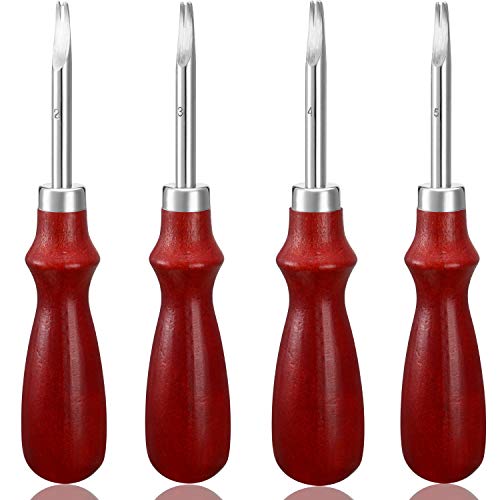
- 4 beveler sizes: 0.8, 1.0, 1.2, and 1.5 mm
- Steel construction with wooden handles
- Good for bags, belts, wallets, shoes, and backpacks
Best For: DIY leatherworkers who want a basic hand-tool beveler set
Desktop Strap Trimmer

- Aluminum body with steel blade
- Adjustable width: 10 mm to 22 mm
- Fits leather thickness from 4.5 mm to 6 mm
Best For: Belt and strap leatherworkers needing a guided edge trimmer
Heavy-Duty Single Beveler
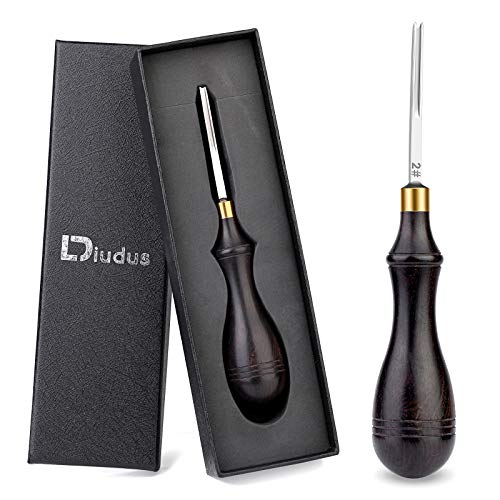
- 1.8 mm size for thick leather
- Steel blade with smooth wood handle
- Made for handbags, belts, bags, and backpacks
Best For: Crafters wanting one large-size beveler for thicker leather
Desktop Strap Beveler
Adjustable Leather Edge Trimmer with 6mm Blade

- Aluminum body with steel blade
- Adjustable 10mm to 22mm width range
- Includes two spare blade size options
Best For: DIY belt and strap edge trimming
Hand Beveler
0.7mm Leather Edge Skiving Tool

- 0.7mm cutting width for fine edge work
- Lightweight stainless steel build
- Rounded wood handle for comfort
Best For: Precision edge skiving on small leather projects
Five-Piece French Beveler Set
Wide Mouth Leather Edge Skiving Tools
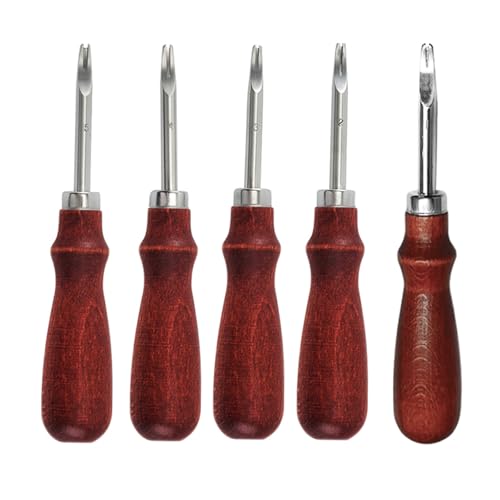
- Five sizes from 0.8mm to 1.6mm
- Sharp stainless steel with wooden handles
- Suited to many leathercraft project types
Best For: Users who want multiple bevel sizes for varied projects
Professional Edge Finishing – Adjustable Desktop Leather Edge Beveler for Belts
This leather edge beveling machine is built for clean, consistent edge finishing on belts, straps, dog collars, harnesses, and similar leather projects. The desktop design helps keep the leather stable while the adjustable guide makes it easier to trim strap edges with less guesswork.
Best For: Leatherworkers who want a stable desktop trimmer for belts, straps, and other medium-width leather goods.
Pros:
- Adjustable for 10mm to 22mm wide leather straps
- Handles leather from 3.5mm to 4.5mm thick
- Aluminum alloy body with hardened steel cutting blade
- Simple insert-and-tighten setup for beginners and experienced users
Cons:
- Designed for a specific strap width and thickness range
- Primarily suited to belt and strap work rather than general-purpose skiving
For focused edge trimming work, this is a practical workshop tool that emphasizes stability and repeatable results. It fits well in a leathercraft setup where belt finishing and strap cleanup are frequent tasks.
Precision Thinning – Manual Leather Skiver with Adjustable Rollers
If you need a leather edge beveling machine that also focuses on thinning and paring, this manual skiver is aimed at more controlled material reduction. Its adjustable roller height and multiple roller sizes give you options for different peeling widths and thickness levels.
Best For: Crafters who need a manual skiving tool for controlled thinning and peeling on varied leather projects.
Pros:
- 4 rollers of varying sizes for different peeling widths
- Adjustable roller height for precise thinning
- High-quality aluminum construction for durability and corrosion resistance
- Interchangeable blade options add flexibility
Cons:
- More specialized for skiving and paring than simple edge beveling
- Manual operation may take more practice for consistent results
This is a useful pick if your leatherwork involves thinning edges or preparing material for folds, seams, or layered construction. The adjustable setup makes it more adaptable than a fixed-purpose hand tool.
Value Upgrade – Leather Edge Trimmer with 6mm Spare Blade
SiiRo Leather Edge Trimmer Belt Beveling Machine with 6mm Replacement Spare Blade
Check Price On AmazonThis leather edge beveling machine covers the basics of strap trimming and edge shaping with an adjustable guide and a spare 6mm blade included. It is designed for straightforward use: insert the belt, tighten the screw, and start working on clean edge finishing.
Best For: Buyers who want a simple edge trimmer with an included replacement blade for leathercraft and repair work.
Pros:
- Includes a 6mm replacement spare blade
- Adjustable width range from 10mm to 22mm
- Blade options cover 3.5-4mm and 4.5-6mm sizes
- Aluminum body with steel blade for durable use
Cons:
- Best suited to a defined strap width range
- Focused on edge trimming rather than broader workshop functions
For leatherworkers who want a practical, easy-to-use trimmer with an extra blade in the box, this model offers strong everyday value. It should work well for belts, shoe repair, furniture work, and similar finishing jobs.
Workbench Classic – Compact Dual-Blade Leather Edger
This leather edge beveling machine is built for rounding or beveling strap edges while keeping the strap width unchanged. Its compact, mountable design and dual cutting blades make it a strong option for steady bench work on belts, bags, wallets, and other leather goods.
Best For: Leathercrafters who want a mounted, dual-blade edger for repeatable strap finishing.
Pros:
- Fits 1/2-inch to 3-inch strap widths
- Dual edge cutting blades help save time
- Six-edged blades can be rotated for a fresh cutting edge
- Mounts securely to a workbench with standard screws
Cons:
- Requires bench mounting for best use
- More focused on strap edging than general leather shaping
If you want a dedicated workshop tool for consistent edge bevels, this compact edger is a solid fit. The ability to flip straps and rotate the blades helps keep the workflow efficient in regular leathercraft production.
Manual Multi-Size Set – 4 Sizes for Detail Work
If you need a leather edge beveling machine alternative for hand-finished projects, this 4-piece beveler set gives you multiple sizes for trimming and smoothing edges on bags, belts, wallets, and more. The different head widths make it easier to match the tool to the leather detail you’re working on, while the wooden handles are designed for a comfortable grip.
Best For: DIY leatherworkers, hobbyists, and beginners who want a simple hand tool set for edge finishing.
Pros:
- Includes 4 sizes: 0.8 mm, 1.0 mm, 1.2 mm, and 1.5 mm
- Steel heads with wooden handles for a lightweight, durable feel
- Curved handle design helps reduce slipping during use
- Suitable for handbags, belts, wallets, shoes, backpacks, and more
Cons:
- Manual tool set, not a powered edge beveling machine
- Best suited to craft-scale leather work rather than large-volume jobs
This set is a practical pick if you want several bevel sizes in one package and prefer traditional hand control for edge finishing. It focuses on straightforward, everyday leathercraft tasks rather than automated processing.
Desktop Strap Trimmer – Adjustable Belt Edge Tool
This leather edge beveling machine is built for strap and belt work when you want a more guided trimming setup than a handheld tool. With an adjustable width range and a groove-and-screw design, it is meant to help you insert the leather, secure it, and trim edges for consistent peeling work.
Best For: Leatherworkers who want a desktop-style trimmer for belt and strap edge work.
Pros:
- Aluminum body with a steel blade for durability
- Adjustable width range from 10 mm to 22 mm
- Works with leather thickness from 4.5 mm to 6 mm
- Simple operation: insert the belt and tighten the screw
Cons:
- Designed for a specific thickness range
- More specialized than a general-purpose hand beveler
For users focused on belt sides and strap trimming, this model offers a more controlled setup than a standard handheld beveler. Its usefulness depends on matching your material size to the tool’s stated range.
Heavy-Duty Single Beveler – 1.8mm Hand Skiver Tool
If you want a straightforward leather edge beveling machine substitute for one-size hand trimming, this 1.8 mm beveler is aimed at cutting even thick leather cleanly. It uses a steel blade and wood handle design that keeps the tool light, portable, and easy to hold during longer cuts.
Best For: Leather crafters who need a single 1.8 mm beveler for thicker material and general edge finishing.
Pros:
- 1.8 mm size for working on thick leather
- High-sharpness steel construction for smooth cutting
- Wood handle is rounded and ergonomic for comfort
- Suitable for handbags, wallets, belts, leather bags, and backpacks
Cons:
- Only one beveler size included
- Manual hand tool, not a powered machine
This is a focused option if you already know the 1.8 mm size fits your projects. It keeps the setup simple and emphasizes clean edge work with a comfortable hand tool design.
Desktop Strap Beveler – Adjustable Leather Edge Trimmer with 6mm Blade
If you want a leather edge beveling machine-style tool for belt work and other strap projects, this desktop trimmer offers a simple, guided way to cut and tidy edges. Its adjustable range and included spare blade sizes make it practical for handling different leather widths without adding much setup complexity.
Best For: DIY leatherworkers, belt making, and general edge trimming on straps and similar leather pieces.
Pros:
- Aluminum body with a steel blade for durable everyday use
- Adjustable width range from 10mm to 22mm
- Includes two replacement blade size options: 3.5-4mm and 4.5-6mm
- Simple screw-tightened operation that suits beginners and experienced users
Cons:
- Designed for specific strap and belt widths rather than all edge shapes
- Manual setup may take a little adjustment for first-time users
Overall, this is a straightforward option if you want a compact edge trimming tool for controlled leather strap work. The adjustable design and spare blade sizes make it a flexible pick for common DIY leather tasks.
Hand Beveler – 0.7mm Leather Edge Skiving Tool
This leather edge beveling machine alternative is a hand tool built for smoothing and skiving edges with a fine 0.7mm cutting width. It suits crafters who want a lightweight, easy-to-hold beveler for controlled cuts on everyday leather projects.
Best For: Leathercraft beginners and experienced makers who need a portable edge beveler for wallets, belts, bags, and similar items.
Pros:
- High-sharpness steel cutting edge for smooth trimming
- Lightweight and portable stainless steel construction
- Comfortable rounded wood handle helps reduce hand fatigue
- 0.7mm cutting depth and width for fine edge work
Cons:
- Single-size tool, so it is less versatile than multi-piece sets
- Manual use may be slower for larger jobs
For detailed hand-finishing work, this beveler focuses on precision and comfort rather than automation. It is a sensible choice if you want a compact tool for neat edges on smaller leather projects.
Five-Piece French Beveler Set – Wide Mouth Leather Edge Skiving Tools
If you need a leather edge beveling machine style setup with more size options, this five-piece set gives you multiple widths for different trimming tasks. The stainless steel blades and wooden handles are aimed at comfortable manual control when shaping leather edges, chamfers, and skived sections.
Best For: Crafters who want a multi-size beveler set for handbags, belts, wallets, shoes, and other leather projects.
Pros:
- Includes five sizes: 0.8mm, 1mm, 1.2mm, 1.4mm, and 1.6mm
- Sharp stainless steel construction for edge beveling and scraping
- Wooden handles are rounded and comfortable to hold
- Useful for a wide range of leather goods and crafting tasks
Cons:
- Manual tools require more hand control than powered equipment
- Best suited to users who want multiple bevel widths instead of one all-purpose tool
This set stands out for flexibility, especially if you work on different leather thicknesses or project types. It is a practical pick for makers who want several bevel sizes in one package.
How We Picked the Best Leather Edge Beveling Machine Options
We looked for tools that solve real workshop problems: clean edge removal, consistent bevels, usable blade support, and compatibility with common leather thicknesses. Because the lineup includes both manual hand tools and desktop-style machines, we also weighed stability, adjustability, and whether the tool is better suited to belts, straps, or general finishing work.
We favored products that offer straightforward setup, replacement blades or serviceable cutting edges, and enough control to help both beginners and experienced leatherworkers get repeatable results.
Quick Comparison
For fast decision-making, think in three groups. Compact manual bevelers are best for small shops and occasional projects. Desktop Leather Edge Beveling Machine styles are better when you want steadier control on belts and long straps. Skiving and paring tools are the right fit when thinning edges matters as much as beveling.
Best for
If you mostly finish exposed edges, choose a beveler. If you need to thin material before folding or joining, choose a skiver. If you do both regularly, a mixed toolkit is usually the smartest value.
Key Buying Factors for Leather Edge Beveling Machine
Leather Thickness and Project Type
Check the leather thickness range the tool is meant to handle. Belt and strap work often needs more stable support than wallet or small-item crafting. A Leather Edge Beveling Machine that matches your typical material weight will produce cleaner cuts with less tear-out.
Blade Style and Replacement Availability
Blade shape affects edge profile, cut speed, and finish quality. Replacement blades are important if you work often, since dull edges can cause uneven bevels and extra sanding. Look for tools with readily available spare blades or replaceable inserts.
Control, Stability, and Comfort
Handheld bevelers are nimble, but desktop models can offer better consistency on long runs. A comfortable grip, secure mounting, and smooth feed path reduce fatigue and help keep the cut even from end to end.
Skiving Vs. Beveling
Beveling rounds and refines the edge; skiving removes thickness. Some products are marketed broadly but serve one task better than the other. If your work includes strap ends, folds, or seams, make sure the tool supports the kind of edge preparation you actually need.
Who Should Buy Which Leather Edge Beveling Machine?
Beginners and hobbyists should start with a simple manual beveler that is easy to learn and inexpensive to maintain. Belt makers and strap-focused leatherworkers may prefer a desktop Leather Edge Beveling Machine for steadier results on longer edges. If your projects require both shaping and thinning, add a skiving tool to your setup so you can prep edges properly before finishing.
For the best long-term value, choose the tool that fits your most common project first, then expand your kit as your workload becomes more specialized.