Zipcase Queen Size Cotton Batting is a straightforward choice if you want a large quilt fill that aims to balance warmth, structure, and easy care.
This Zipcase Queen Size Cotton Batting review focuses on what the listing actually supports and where it fits best.
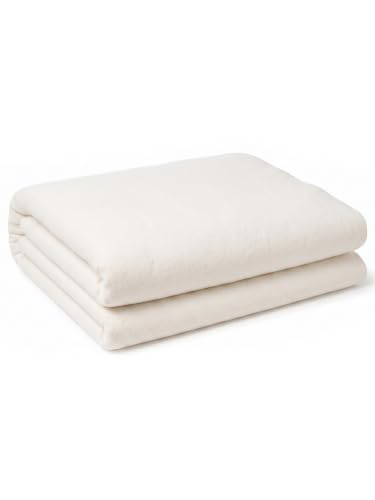
Zipcase Batting Review Summary
Zipcase Queen Size Cotton Batting makes sense for quilters, crafters, and hobby sewists who want a roomy batting sheet without moving up to a bulky or specialized material.
The listing positions it as a cost-effective quilt batting with a stronger structure, better heat retention than pure cotton, and less than 2% shrinkage, which points to a product aimed at practical making rather than luxury finishing.
If you need batting for a queen-size quilt top, a craft project, or a general sewing application where loft and shape retention matter, this is the kind of product that solves a real problem: it gives you a workable, easy-to-handle fill in a standard large format.
The best fit is someone who values function, predictable handling, and easy maintenance over premium branding or boutique textile claims.
Review Scorecard
| Category | Score | Why it scores this way |
|---|---|---|
| Quilt size coverage | 9/10 | The 90 x 108 inch format is well suited to queen-size projects and broad craft use. |
| Warmth potential | 8/10 | The listing claims the fiber blend locks in heat better than pure cotton. |
| Shape retention | 8/10 | It is marketed as staying fluffy and supportive over time. |
| Quilting convenience | 7/10 | Less than 2% shrinkage is a practical advantage for stitching and finishing. |
| Care simplicity | 8/10 | Machine washable after quilting is useful for a finished quilt. |
| Value orientation | 8/10 | The listing frames it as a more affordable quilt batting option. |
Key Features and Specifications of Zipcase Batting
The core specification is simple: one queen-size batting sheet measuring 90 inches by 108 inches.
That size is the most important fact in the listing because it defines the product’s job.
It is meant to cover a substantial quilt top, and it should also leave enough room for trimming and layout adjustment.
The batting is described as a warm, soft cotton batting for quilts and craft use.
The listing also says it has a stronger structure and longer-lasting use than a more basic fill, which suggests the maker is targeting users who want batting that behaves predictably while sewing and keeps its loft after completion.
Other stated claims matter because they speak to how the batting is likely to behave in a finished project:
- Less than 2% shrinkage
- Fluffy, supportive feel over time
- Machine washable after quilting
- No pre-washing or ironing before quilting
- One-piece package
For a buyer comparing batting options, those points translate into a few practical advantages.
Lower shrinkage can help keep quilting lines and finished dimensions more stable.
A supportive loft can make a quilt feel fuller without looking lumpy.
And easier care is a plus if the final piece is meant to be used, washed, and handled regularly.
The main limitation is that the listing is light on technical detail.
There is no detailed fiber ratio, no weight per square yard, and no formal performance data.
So the product reads more like a practical home sewing material than a highly engineered textile.
That is not necessarily a problem, but it does mean buyers should judge it by project fit rather than by advanced spec comparison.
Pros and Cons of Zipcase Batting
Pros
- Queen-size 90 x 108 inch sheet covers large projects well.
- The listing emphasizes warmth, which is useful for quilts intended for colder use.
- Supportive loft and shape retention are good signs for a finished quilt that should not go flat quickly.
- Less than 2% shrinkage is a practical selling point for sewing accuracy.
- Machine washable after quilting makes the final piece easier to maintain.
- The product is positioned as cost-effective, which broadens its appeal for everyday projects.
Cons
- The material details are limited, so it is hard to compare it deeply against premium battings.
- No weight, loft rating, or fiber breakdown is provided in the supplied record.
- The batting is described mainly through listing claims, not through performance evidence from hands-on testing.
- Buyers looking for a specialty batting type may want more technical documentation before committing.
Who Should Buy Zipcase Batting?
Zipcase Queen Size Cotton Batting is a sensible buy for quilters who need a large, uncomplicated fill for a queen-size project.
It also suits crafters who want a soft but supportive batting for creative sewing projects where size coverage and manageable handling matter.
It is especially attractive if you want something that should be easier to work with than a batting that needs pre-washing or special care before assembly.
The listing’s claim that you can avoid pre-washing and ironing is useful for people who prefer a faster project workflow.
Buy it if you want a broad queen-size batting, care about loft retention, and prefer a practical material that is meant to be machine washable after quilting.
Skip it if you need highly detailed textile specs, if you are comparing battings by exact composition, or if your project depends on a specialized fill with a clearly documented weight or blend.
Quilting Performance of Zipcase Batting
Loft and Structure
The product’s strongest message is that it stays fluffy and supportive.
In quilting terms, that matters because loft influences how the finished piece looks, drapes, and insulates.
A batting that holds structure can help a quilt keep a cleaner profile, especially on larger surfaces where sagging can show up quickly.
Warmth and Everyday Use
The listing says the fiber blend locks in heat better than pure cotton.
That makes the batting more appealing for quilts meant to be genuinely used, not just displayed.
For a bed quilt, that kind of warmth claim is relevant because it suggests the batting is trying to do more than simply fill space.
Shrinkage and Finish Quality
Less than 2% shrinkage is one of the more useful claims here.
Quilters tend to care about this because shrinkage can affect size, line consistency, and how tightly the final quilt blocks hold together after washing.
Even without lab data, the claim signals a product designed with finish stability in mind.
Care After Quilting
Machine washable after quilting is another practical advantage.
Many buyers want batting that supports an easy-care final piece, especially for household quilts or craft items that will be cleaned regularly.
The fact that the listing also says no pre-wash or ironing is needed before quilting makes the setup simpler.
Alternatives to Zipcase Batting
If you want a more established quilting brand, look at Warm Company Warm & Natural batting.
It is a common comparison point for cotton battings and may appeal to buyers who want a familiar name.
Another option is Hobbs batting, which has broad recognition among quilters and offers multiple batting styles for different project goals.
For shoppers comparing value-oriented batting choices, Fairfield batting is worth a look.
It is a practical alternative if you want to compare standard quilt fill options from a known craft brand.
If your project is more about insulation, loft, or a different quilting feel, you may also want to compare cotton quilt batting queen size search results more broadly before deciding.
Is Zipcase Batting Worth It?
Yes, Zipcase Queen Size Cotton Batting is worth considering if you want a queen-size quilt batting that emphasizes warmth, supportive loft, low shrinkage, and easy maintenance.
It looks like a practical, project-ready option rather than an enthusiast-grade specialty batting, and that is exactly what many buyers need.
If you value simple specs, workable sizing, and a finish that should be easy to care for after quilting, this product makes a solid case.
If you need deeper textile detail or a more established premium brand, the alternatives above are the safer comparison set.