Choosing carving tool sharpeners for classrooms means balancing edge quality, ease of use, cleanup, durability, and safe operation around students. The right setup can help maintain wood-carving tools and classroom pencils without creating unnecessary interruptions.
This roundup compares ten sharpening options across manual, electric, grooved-stone, and stropping designs, so instructors can match the tool to student age, class size, and maintenance routine.
Best 10 Carving Tool Sharpeners for Classrooms Picks for 2026
Best Contoured Stone Set
Grooved Sharpening Stones for Carving Tools
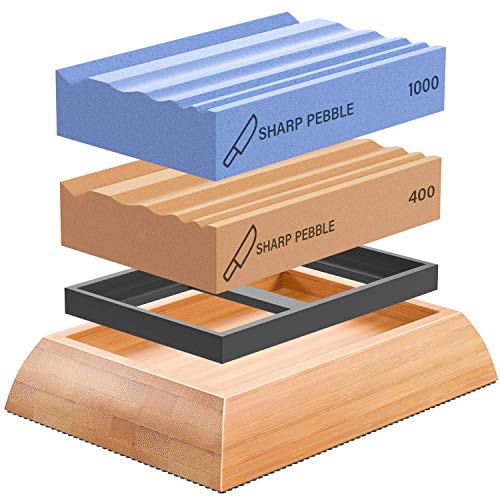
- Multiple grooves fit contoured chisels and gouges
- 400/1000 grit supports repair and polishing
- Water-based stones include a non-slip bamboo base
Best For: Woodcarving classrooms maintaining shaped hand tools
Best Heavy-Duty Pencil Sharpener
Bostitch Electric Classroom Sharpener

- Stall-free motor handles dull pencils
- Large tray and compact footprint suit classrooms
- Safety switch stops operation when tray is removed
Best For: Frequent classroom pencil sharpening
Best Beginner Waterstone Set
Multi-Groove Sharpening Stones
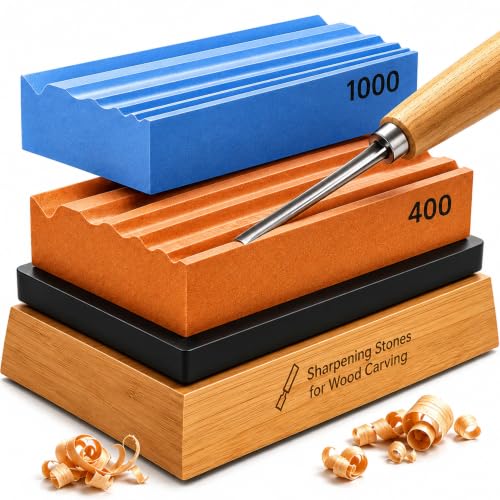
- 400/1000 grit supports repair and maintenance
- Grooves fit gouges, V tools, and curved edges
- Includes bamboo base and instruction card
Best For: Beginner-focused woodcarving classes
Best Classroom Pencil Option

- Six-size dial fits a wide range of pencils
- Works with graphite and colored pencils
- XL bin and SafeStart motor support classroom use
Best For: Teacher-led classrooms with varied pencil needs
Best All-Around Strop
3-in-1 Contour Carving Sharpener
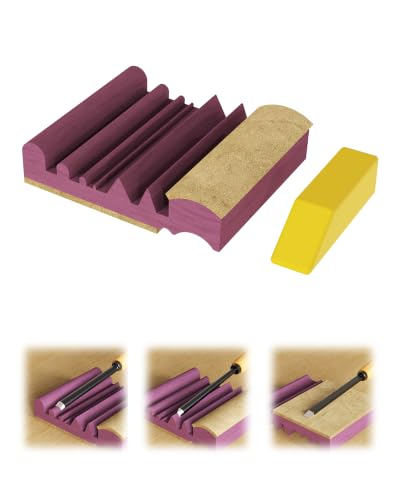
- Supports flat, curved, and V-groove tools
- Deburs and polishes edges with fine wax
- Compact leather-and-wood classroom option
Best For: Shared honing and polishing of varied carving tools
Best for Pencil-Based Classes
Heavy-Duty Six-Hole Electric Sharpener

- Handles pencils up to 11 mm in six holes
- Fast, auto-stop sharpening for classroom use
- Large bin and suction cups improve convenience
Best For: High-volume pencil sharpening alongside carving lessons
Best Grooved Whetstone
1000-Grit Carving Tool Sharpener
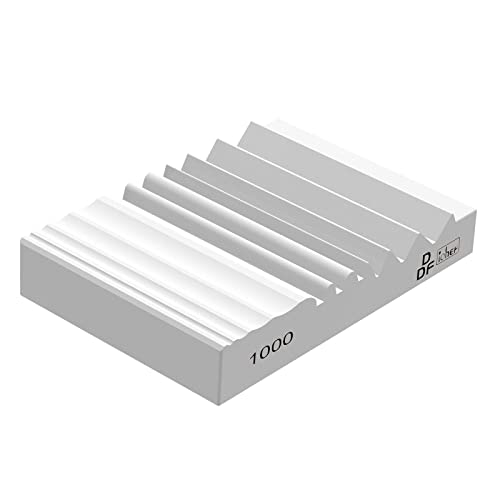
- Multiple grooves fit chisels, gouges, and contoured tools
- 1000-grit corundum supports edge maintenance
- Water-based use avoids sharpening oils
Best For: Shared traditional sharpening stations for varied tool profiles
Classroom Pencil Prep

- Commercial-grade manual sharpener
- Adjusts for eight pencil sizes
- Mounts to desks, tables, or walls
Best For: High-volume classroom pencil sharpening
Gouge Sharpening Station

- Includes 400- and 1000-grit stones
- Wavy and flat sharpening surfaces
- Bamboo base with nonslip pads
Best For: Small-tool carving classes teaching sharpening basics
Beginner Carving Maintenance

- 1000-grit water stone for sharpening and polishing
- Multiple grooves fit contoured carving tools
- Flat side handles straight blades
Best For: Beginner carving classes and routine tool maintenance
Best Contoured Stone Set – Grooved Sharpening Stones for Carving Tools
For classrooms teaching woodcarving, these carving tool sharpeners provide shaped grooves for maintaining gouges, chisels, lathe tools, and other contoured edges. The 400- and 1000-grit waterstones cover edge repair and routine polishing without requiring honing oil.
Best For: Woodcarving classrooms needing a hand-sharpening set for curved, round, or triangular tools.
Pros:
- Multiple grooves accommodate different contours, including convex shapes.
- 400 grit handles dull or damaged edges, while 1000 grit refines and polishes.
- Water-based sharpening is easy to clean and avoids oil.
- Non-slip bamboo base supports controlled sharpening.
Cons:
- Hand sharpening requires students to learn angle and pressure control.
- The set is intended for carving tools rather than classroom pencil sharpening.
This is a practical choice when a classroom needs one compact system for maintaining several shaped woodworking tools. Its two-stage grit setup and contoured surfaces make it especially useful for supervised carving instruction.
Best Heavy-Duty Pencil Sharpener – Bostitch Electric Classroom Sharpener
Although designed for pencils rather than gouges, this electric sharpener can be a useful classroom companion alongside carving tool sharpeners. Its stall-free motor, large shavings tray, and safety switch are suited to frequent student and teacher use.
Best For: Classrooms that need reliable electric sharpening for student, teacher, or artist pencils.
Pros:
- Stall-free motor is designed to power through dull pencils.
- Large shavings tray reduces how often it needs emptying.
- Safety switch disables operation when the tray is removed.
- Compact footprint helps conserve desk or counter space.
Cons:
- It sharpens pencils, not wood carving chisels, gouges, or knives.
- It requires an electric power source.
Choose this model for the classroom’s everyday pencil needs, not as a substitute for a dedicated wood-tool sharpening stone. The seven-year limited warranty and hardened helical cutter may appeal to schools prioritizing long-term routine use.
Best Beginner Waterstone Set – Multi-Groove Sharpening Stones
This 400/1000 grit waterstone set is designed for beginners, hobbyists, and experienced carvers who need straightforward carving tool sharpeners for curved edges. Its grooves help students match the stone to gouges, V tools, round chisels, and carving knives.
Best For: Introductory woodcarving classes teaching water-based sharpening and basic edge maintenance.
Pros:
- Contoured grooves improve contact with shaped carving tools.
- 400 grit restores dull edges and small chips; 1000 grit refines them.
- Uses water instead of honing oil and rinses clean.
- Includes a stable bamboo base and instruction card.
Cons:
- Students must wet or soak the stones before sharpening.
- The set is intended for hand sharpening and requires technique practice.
Its clear two-grit progression and included instruction card make this a sensible teaching set for supervised sharpening lessons. The water-based process also helps simplify cleanup in a shared classroom workspace.
Best Classroom Pencil Option – X-ACTO School Pro Sharpener
For classrooms using pencils alongside carving projects, this X-ACTO model offers adjustable electric sharpening and a large bin. It complements carving tool sharpeners by handling graphite and colored pencils while students reserve wood-tool stones for chisels and gouges.
Best For: Teachers who need one electric sharpener for standard, colored, and different-size pencils.
Pros:
- Six-size dial accommodates nearly every pencil.
- Flyaway cutter helps stop sharpening at the intended tip point.
- SafeStart motor stops shaving when the bin is removed.
- XL shavings bin is easy to empty and helps reduce mess.
Cons:
- It is not designed for wood carving tools.
- The larger footprint may require more counter space than compact models.
This is a strong classroom pencil station choice when adjustable sizing and colored-pencil compatibility matter. Pair it with a dedicated grooved waterstone set if the class also teaches sharpening carving tools.
Best All-Around Strop – 3-in-1 Contour Carving Sharpener
For classrooms teaching basic woodcarving, this 3-in-1 strop offers a compact way to refine flat, curved, and V-shaped carving tools. It combines leather, wood, and fine polishing wax for deburring and polishing rather than heavy stock removal, making it a practical option for maintaining already-sharpened edges.
Best For: Classroom carving stations that need one compact tool for polishing flat, rounded, and V-groove blades.
Pros:
- Three sharpening shapes accommodate flat surfaces, arcs, and V-grooves.
- Helps remove burrs and rough edges while polishing blades to a fine finish.
- Includes fine polishing wax and has a compact 4.48-ounce design.
Cons:
- Its fine-grit strop is better suited to honing and deburring than substantial reshaping.
- One unit may require scheduled sharing in larger classes.
This is a versatile choice among carving tool sharpeners for classrooms, especially when students need to maintain multiple carving profiles. Teachers should pair it with an appropriate primary sharpening method for badly dulled or damaged tools.
Best for Pencil-Based Classes – Heavy-Duty Six-Hole Electric Sharpener
Although designed for pencils rather than carving blades, this heavy-duty electric sharpener can support classrooms where carving projects include sketching, pattern-making, or colored-pencil work. Its six openings handle pencils up to 11 mm, while auto-stop operation and a large shavings bin help simplify supervised classroom use.
Best For: Art and woodcarving classrooms that need a high-volume sharpener for student drawing and project-marking pencils.
Pros:
- Six holes accommodate round, triangular, and hexagonal pencils from skinny to jumbo sizes.
- Designed for fast sharpening, with stated cycles of under three seconds for new pencils.
- Auto-stop, a large see-through shavings bin, and four suction cups support classroom convenience.
Cons:
- It is a pencil sharpener, not a sharpener for woodcarving tools, chisels, or gouges.
- Not recommended for soft-core pencils.
- Requires a 120V corded electrical outlet.
This product belongs in a classroom’s drawing-supply area rather than its tool-maintenance kit. Choose it only if the roundup also needs a fast pencil solution; it does not replace purpose-built carving tool sharpeners for classrooms.
Best Grooved Whetstone – 1000-Grit Carving Tool Sharpener
This 1000-grit corundum whetstone is designed for maintaining contoured woodworking tools that are awkward to sharpen on a flat stone. Its multiple grooves match different chisel and gouge profiles, making it a useful shared station for classrooms with assorted carving tools.
Best For: Classroom workshops maintaining round, triangular, curved, and other grooved carving edges with water-based sharpening.
Pros:
- Multiple grooves support wood carving tools, chisels, and gouges with varied contours.
- 1000 grit is intended for sharpening and polishing maintenance edges.
- Corundum construction is described as corrosion resistant, heat resistant, and durable.
- Uses water and does not require expensive sharpening oils.
Cons:
- A 1000-grit stone is primarily for maintenance and refinement, not major edge repair.
- At 1.7 pounds, it is less portable than a small honing tool.
- Students need instruction to match each blade profile to the appropriate groove.
Among carving tool sharpeners for classrooms, this is a strong fit when a program teaches traditional water-stone technique. Its grooved surface offers more profile flexibility than a flat whetstone, though instructors should plan for setup, cleanup, and proper angle control.
Classroom Pencil Prep – X-ACTO KS Manual Sharpener
For classrooms that need dependable pencil preparation rather than blade maintenance, this manual X-ACTO is a practical option among carving tool sharpeners for classrooms. Its commercial-grade construction, adjustable pencil openings, and manual operation suit shared student use.
Best For: Teachers and classrooms needing a mountable, high-volume pencil sharpener for standard and specialty pencil sizes.
Pros:
- Adjusts to accommodate eight pencil sizes.
- Dual helical cutters are designed for precise sharpening.
- Can mount to a wall, desk, or table using the included screws.
- Manual operation is straightforward for school children.
Cons:
- It is designed for pencils, not wood-carving chisels, gouges, or knives.
- Manual sharpening requires students or staff to provide the effort.
This is the classroom-focused choice in the group, especially where durability, easy access, and flexible pencil sizing matter more than sharpening carving blades.
Gouge Sharpening Station – Dual-Grit Carving Whetstones
For hands-on carving classes, this dual-sided water-stone kit offers a stable way to maintain small carving tools. The 400- and 1000-grit stones, contoured grooves, nonslip pads, and bamboo base make it a more complete classroom setup than a loose sharpening stone.
Best For: Carving classrooms and hobby programs teaching students to sharpen small gouges, chisels, and other contoured tools.
Pros:
- Wavy and flat surfaces accommodate contoured and straight blades.
- Includes 400 grit for sharpening and 1000 grit for polishing.
- Uses water instead of honing oil; soak the stones for 10–15 minutes before use.
- Removable nonslip pads and a bamboo base support stability during sharpening.
Cons:
- Students must prepare the stones by soaking them before use.
- The kit is aimed at smaller tools and hobby work rather than large workshop blades.
With two grits and a secure base, this is the most complete option for teaching a basic sharpening workflow, provided the class can manage water and stone cleanup.
Beginner Carving Maintenance – RYFCRRZ 1000-Grit Stone
This compact 1000-grit water stone is a straightforward option for carving tool sharpeners for classrooms, particularly when students are learning routine sharpening and polishing. Its multiple grooves are intended for gouges and other contoured tools, while the flat side handles straight blades.
Best For: Beginner-focused carving classes or small workshops needing one versatile stone for routine tool maintenance.
Pros:
- Wavy grooves support sharpening wood-carving chisels, gouges, and similar tools.
- Flat side can be used on knives, scissors, hatchets, and other straight blades.
- Water-based use avoids the need for expensive honing oils.
- Compact design is intended for storage and accessible beginner use.
Cons:
- Only one 1000-grit stone is included, so there is no separate coarse grit for initial sharpening.
- Students must soak the stone in water for 10–15 minutes before use.
- No nonslip base or bamboo holder is listed in the supplied components.
This stone is a useful lower-complexity teaching tool for polishing and light sharpening, but classrooms needing faster stock removal or a more stable station may prefer a dual-grit kit with a base.
How We Picked the Best Carving Tool Sharpeners for Classrooms
We evaluated these products by looking at sharpening control, classroom practicality, versatility, durability, and cleanup. The selection includes dedicated gouge stones and carving-tool systems, as well as heavy-duty pencil sharpeners that may be useful in art rooms where students work with pencils alongside carving projects.
We also considered features that matter in shared environments: stable bases or mounts, nonslip components, adjustable openings, automatic stopping, shavings capacity, and the ability to handle repeated use. No single sharpener is ideal for every classroom, so the best choice depends on the tools being maintained and who will operate them.
Quick Comparison
- Best for controlled carving-tool maintenance: Grooved whetstones and sharpening stones support gouges, curved blades, and narrow edges.
- Best for speed: Electric pencil sharpeners reduce routine maintenance time in busy classrooms.
- Best for varied pencil sizes: Adjustable manual or multi-hole electric models accommodate standard, colored, and specialty pencils.
- Best for polishing edges: A carving strop can refine an edge after honing and help remove small burrs.
- Best for limited budgets: Basic 1,000-grit stones provide a practical starting point when students can be supervised.
Key Buying Factors for Carving Tool Sharpeners for Classrooms
Tool Compatibility
Check whether the sharpener is designed for carving knives, chisels, gouges, pencils, or several of these. Grooves and contours are especially important for curved carving tools, while pencil sharpeners should match the diameter range used by your class.
Grit and Sharpening Stages
Around 400 grit is useful for repairing or reshaping a damaged edge, while 1,000 grit is better for routine honing. A strop or finer finishing step can improve smoothness after sharpening. Beginners may benefit from a two-stage setup rather than relying on one coarse stone for every task.
Stability and Supervision
Look for nonslip pads, a mountable body, or a broad stable base. Manual stones require more technique and should be used with direct instruction, particularly when students are handling sharp tools. Electric sharpeners should be placed where cords, shavings, and moving parts are easy to manage.
Capacity and Maintenance
For large classes, prioritize durable construction, a generous shavings bin, stall resistance, and simple emptying. Removable pads and easy-to-clean surfaces are valuable for stones and carving accessories because accumulated grit or debris can affect results.
Who Should Buy Which Carving Tool Sharpeners for Classrooms?
Teachers running wood-carving lessons should favor grooved sharpening stones or a dedicated carving sharpener, with a strop for final honing. General art classrooms may get more use from a heavy-duty electric pencil sharpener, especially when many students share it. Classes using assorted pencil types should consider an adjustable manual model or a multi-hole electric sharpener. Small groups and advanced students can choose a compact whetstone system that provides greater control and hands-on sharpening practice.