Mixing glaze is easier when lumps, debris, and partially blended materials are removed before application. The right sieve can help beginners prepare smoother glaze without adding complicated equipment to the studio.
This roundup compares 10 beginner-friendly glaze mixing sieves, including fine stainless-steel models and a useful underglaze sampler for artists building a basic pottery setup.
Best 10 Beginner-Friendly Glaze Mixing Sieves Picks for 2026
Easy-Handling Starter Set
Dual-Shape Ceramic Glaze Sieves

- Includes round and rectangular stainless steel filters
- Compact, portable design with handles
- Suitable for glazes, clay, pigments, and slips
Best For: Beginners wanting a versatile two-piece filtering set
Color Practice Pick
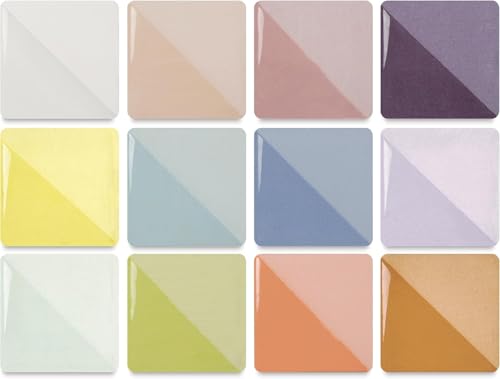
- 12 assorted 2-ounce pastel underglazes
- Water-thinnable thick formulation
- Made for detailed ceramic decoration
Best For: Beginners practicing color and underglaze techniques
Fine-Filter Upgrade
Stainless Steel 100 Mesh Sieve

- Fine 100-mesh screen for ceramic materials
- Durable stainless steel construction
- Round design supports easy handling
Best For: Artists seeking a fine, sturdy glaze filter
Studio Routine Choice

- 80-mesh filter for glazes, slips, and slurry
- Built for frequent cleaning and reuse
- Compact round design for studio handling
Best For: Potters screening materials during regular studio work
Studio Speed Pick
Stainless Steel 100 Mesh Glaze Sieve

- 100-mesh stainless steel filtration
- Durable for frequent studio use
- Designed for faster filtering
Best For: Dedicated pottery studios and frequent glaze preparation
Easy-Clean Starter
BEBEMOKO Fine Mesh Glaze Filter

- Helps remove visible glaze impurities
- Rinses clean for quick batch changes
- Works with glaze, paint, and clay slurry
Best For: Home studios and beginners handling small batches
Versatile Round Pick

- Fine 100-mesh filtration
- Round design for convenient handling
- Works with ceramic materials and pigments
Best For: Pottery enthusiasts seeking a multipurpose studio sieve
Best Compact Pick
NUOBESTY Fine Mesh Glaze Sieve

- Compact stainless steel design
- Fine mesh for smoother slurry and pigments
- Suitable for studio, classroom, or portable use
Best For: Small-batch pottery and paint filtering
Best Large-Batch Option
100 Mesh Stainless Steel Glaze Sieve

- Large 10.04-inch round format
- 100-mesh filtration for clay and glaze
- Stainless steel construction resists deformation
Best For: Faster filtration and larger ceramic batches
Best All-Purpose Pick
- 100-mesh stainless steel filtration
- Compatible with glazes, clay, and pigments
- Round design supports easy handling
Best For: Versatile ceramic material and glaze filtering
Easy-Handling Starter Set – Dual-Shape Ceramic Glaze Sieves
For makers seeking beginner-friendly glaze mixing sieves, this two-piece stainless steel set offers both round and rectangular formats for filtering liquid glazes, clay, pigments, and other materials. Its handles and compact size make it practical for home studios or pottery classes.
Best For: Beginners who want a versatile, portable pair of glaze filters for small-batch pottery work.
Pros:
- Includes both round and rectangular filter meshes.
- Stainless steel construction is reusable and designed for long-lasting use.
- Handle design supports easier use and cleaning.
- Helps remove impurities and precipitation before firing.
Cons:
- The compact dimensions may be less suitable for large-volume studio batches.
- The notes do not specify the mesh rating.
This is a straightforward entry-level option when flexibility and portability matter more than high-capacity screening. Having two shapes can also help beginners find the format that feels easiest to control.
Color Practice Pick – Pastel Underglaze Sampler
Although it is not a sieve, this Speedball sampler can complement beginner-friendly glaze mixing sieves by giving new ceramic artists a ready selection of underglaze colors to test after preparing their materials. The 12-pack is formulated for detailed decoration and can be thinned with water.
Best For: Beginners building color confidence and practicing painted, sgraffito, watercolor, or mishima effects.
Pros:
- Provides 12 assorted pastel underglaze colors in 2-ounce containers.
- Thick formulation can be adjusted with water for different project needs.
- Designed for detailed painting and multiple decorative techniques.
- Lead-free and dinnerware safe when used and fired as directed with covering glaze.
Cons:
- This is an underglaze sampler, not a glaze-mixing sieve.
- Best results call for two to three liberal coats.
- Food-safety claims depend on following the stated firing and covering-glaze directions.
Choose this product alongside a sieve rather than instead of one. Its main value for beginners is accessible color experimentation, with a formulation that allows viscosity adjustments using water.
Fine-Filter Upgrade – Stainless Steel 100 Mesh Sieve
For beginners who want a finer-screen option among beginner-friendly glaze mixing sieves, this stainless steel 100-mesh model is designed for ceramic materials and glazes. Its round shape is intended to simplify handling while supporting consistent filtration.
Best For: Ceramic artists who want a durable, fine-mesh sieve for filtering a range of glaze and ceramic materials.
Pros:
- 100-mesh construction supports fine filtration.
- Stainless steel is designed for durability and resistance to deformation.
- Round design facilitates handling during screening.
- Suitable for multiple ceramic materials and glazes.
Cons:
- The supplied notes do not mention a handle or included accessories.
- Its fine mesh may require more cleaning attention when processing thicker materials.
This sieve is a sensible step up for users prioritizing a fine screen and sturdy construction. Confirm the format suits your containers and workflow, since the product information focuses on the round sieve itself.
Studio Routine Choice – Stainless Steel 80 Mesh Sieve
This 80-mesh stainless steel sieve is aimed at practical studio use, making it a strong candidate for beginner-friendly glaze mixing sieves when repeatable slip and glaze screening is important. The compact round design is intended for easy handling and regular cleaning.
Best For: Potters who need a compact sieve for routine filtering of glazes, slips, slurry, and related materials.
Pros:
- 80-mesh screen helps filter unwanted impurities from glaze materials.
- Stainless steel mesh is designed to remain stable after frequent cleaning.
- Round structure supports easy handling during screening.
- Suitable for workshop routines involving powder and slip.
Cons:
- The supplied information does not specify a handle.
- Its compact size may be less convenient for large batches.
- Mesh is coarser than the listed 100-mesh alternative.
For beginners establishing a regular studio routine, this model balances a fine screen with a compact footprint. It is especially relevant if you work with both glaze and slip and value repeated cleaning and reuse.
Studio Speed Pick – Stainless Steel 100 Mesh Glaze Sieve
For beginners looking for beginner-friendly glaze mixing sieves, this stainless steel 100-mesh model offers precise filtration in a larger format. Its durable construction and focus on faster filtering make it suitable for regular pottery preparation.
Best For: Pottery studios and users who want a reusable sieve for frequent glaze or ceramic-material filtration.
Pros:
- Fine 100-mesh filter helps remove unwanted material from glaze mixes.
- Stainless steel construction is resistant to deformation and suited to repeated use.
- Designed to support faster filtration for small-scale and industrial ceramic work.
Cons:
- Its approximately 10-inch size may be more than a beginner needs for small batches.
- The notes do not mention a handle or included accessories.
This is a strong choice when durability, fine filtration, and processing speed matter more than compact storage. Beginners working in a dedicated studio may appreciate its larger working area.
Easy-Clean Starter – BEBEMOKO Fine Mesh Glaze Filter
This BEBEMOKO round sieve is one of the more beginner-friendly glaze mixing sieves for routine home-studio prep. It helps remove visible impurities, rinses clean easily, and can also be used with paint or clay slurry.
Best For: Beginners who want a compact, reusable strainer for small glaze batches and mixed creative projects.
Pros:
- Fine mesh helps create more even glaze and pigment mixes.
- Reusable stainless steel design resists bending better than disposable filters.
- Easy to rinse between colors or batches.
- Compact approximately 8.1-inch format suits home studios and craft rooms.
Cons:
- The supplied notes do not specify the mesh count.
- Its smaller size may be less convenient for large-volume studio production.
With its manageable size and easy cleanup, this model is a practical starting point for beginners. Its ability to handle paint and clay slurry also adds flexibility beyond glaze mixing.
Versatile Round Pick – 100 Mesh Ceramic Glaze Sieve
For beginners comparing beginner-friendly glaze mixing sieves, this round 100-mesh stainless steel option emphasizes straightforward handling and broad material compatibility. It is designed for ceramic materials and pigments in both creative and production settings.
Best For: Pottery enthusiasts who want a simple round sieve for glaze, pigment, and other ceramic filtration tasks.
Pros:
- 100-mesh stainless steel filter supports fine filtration.
- Round design is intended to make handling and filtration more convenient.
- Compatible with various ceramic materials and pigments.
- Stainless steel construction is suited to frequent use.
Cons:
- At approximately 10 inches wide, it may be oversized for very small batches.
- The notes do not describe a handle, stand, or cleaning accessories.
This sieve offers a balanced option for users who value fine filtration and versatility. Its round format keeps the design familiar, while the stainless steel build supports ongoing pottery projects.
Best Compact Pick – NUOBESTY Fine Mesh Glaze Sieve
For beginners seeking beginner-friendly glaze mixing sieves, the NUOBESTY is a compact option for screening ceramic slurry, pigments, and paint. Its stainless steel construction and portable size suit small studio, classroom, and home pottery setups.
Best For: Beginners who want a lightweight, multipurpose sieve for small-batch glaze and paint preparation.
Pros:
- Fine mesh helps produce a smoother texture by separating slurry and pigments.
- Stainless steel construction supports repeated use and resists bending.
- Compact 4.33 x 4.33 x 2.16-inch design is easy to carry and store.
- Works with ceramic glaze, paint, and other craft materials.
Cons:
- Its compact size may be less suitable for larger production batches.
- The package includes only one strainer.
This is a practical entry-level choice when portability and straightforward screening matter more than high-volume capacity.
Best Large-Batch Option – 100 Mesh Stainless Steel Glaze Sieve
Beginners comparing beginner-friendly glaze mixing sieves may appreciate this larger round 100-mesh model for efficient filtration. It is designed for clay, glazes, and pigments, with stainless steel construction for repeated ceramic work.
Best For: Pottery users who need a larger sieve for faster filtering and more substantial glaze-preparation tasks.
Pros:
- 100-mesh filtration helps remove clay and glaze particles thoroughly.
- Stainless steel construction is durable and resistant to deformation.
- Designed to support faster filtration for small-scale or industrial ceramic production.
- Suitable for clay, glazes, pigments, and paint filtering.
Cons:
- Its 10.04-inch diameter takes more storage space than a compact sieve.
- The larger format may be more than needed for very small batches.
Choose this model if you want precise 100-mesh screening and a larger working area while still keeping the tool straightforward to use.
Best All-Purpose Pick – Ceramic Glaze Sieve 100 Mesh
For beginners looking for beginner-friendly glaze mixing sieves with broad material compatibility, this round stainless steel model offers precise 100-mesh filtration. Its design is intended for ceramic materials, glazes, clay, and pigments.
Best For: Potters who want one versatile sieve for smoothing a range of ceramic materials and glaze mixtures.
Pros:
- 100-mesh filter helps remove clay and pigments for smoother surfaces.
- Compatible with a wide range of ceramic materials and glazes.
- Round design supports easy handling during filtration.
- Stainless steel construction is suited to reliable pottery use.
Cons:
- The 10.04-inch round size may require dedicated storage space.
- Its broad ceramic focus may be less convenient for users seeking a compact portable tool.
This sieve is a strong fit when versatility and consistent 100-mesh filtration are priorities for pottery and glaze preparation.
How We Picked the Best Beginner-Friendly Glaze Mixing Sieves
We focused on practical features that matter when preparing ceramic glaze at home, in a classroom, or in a small studio. The selection emphasizes stainless-steel construction, round designs that are easy to position over containers, and mesh sizes suited to filtering mixed glaze or slurry. Most options use 100-mesh screens, while an 80-mesh model offers a slightly more open filter for thicker mixtures or faster processing.
We also considered stated dimensions, cleaning convenience, likely durability, and whether a sieve is suitable for repeated pottery use. Product descriptions can vary, so confirm the seller’s specifications before ordering, particularly when you need a specific diameter or mesh grade.
Quick Comparison
| Feature | What to look for | Why it matters |
|---|---|---|
| Mesh size | 80 or 100 mesh | Controls filtration fineness and flow speed |
| Material | Stainless steel | Resists rust and is easier to clean |
| Shape | Round screen | Fits many buckets, cups, and glaze containers |
| Included accessories | Single sieve or multipiece set | Sets may be useful for different batches |
Key Buying Factors for Beginner-Friendly Glaze Mixing Sieves
Choose the Right Mesh
A 100-mesh sieve is a versatile starting point for many ceramic glaze applications because it filters finely and can improve consistency. An 80-mesh screen may be preferable when your glaze is dense, contains larger particles, or needs to pass through more quickly. Very fine filtering can also take longer, especially with thick mixtures.
Check Size and Container Fit
Measure the opening of your mixing bucket, pouring container, or glaze jar before buying. A sieve that rests securely on the container is easier and safer to use than one that must be held continuously. Smaller screens are convenient for test batches, while larger diameters can save time when processing studio-size quantities.
Prioritize Cleanability
Glaze residue dries quickly, so smooth stainless steel and an uncomplicated round frame are useful. Rinse the sieve promptly after use and inspect the mesh for trapped particles. Avoid tools with damaged or stretched screens, since uneven mesh can affect filtration.
Consider Your Workflow
Beginners may only need one dependable sieve, while teachers or active studios may benefit from multipacks or several mesh sizes. Keep separate tools for incompatible materials when possible, and follow safe handling practices for ceramic powders and glaze ingredients.
Who Should Buy Which Beginner-Friendly Glaze Mixing Sieves?
For most newcomers, a stainless-steel 100-mesh round sieve is the best all-purpose choice. It offers fine filtration without requiring a complicated setup. Choose an 80-mesh option if you regularly work with thicker glaze and want faster flow. A multipiece set makes sense for shared studios, classrooms, or artists who prepare several batch sizes.
If you are mainly testing colors rather than mixing large quantities, pair a compact sieve with small underglaze samples so you can experiment without committing to full-size jars. Whichever model you choose, match the mesh and dimensions to your glaze recipe, container, and cleaning routine.