Consistent glaze starts with effective screening. The right sieve can remove lumps, catch contaminants, and help ceramic artists produce smoother, more predictable mixtures.
This roundup compares 10 stainless steel and fine-mesh options for home studios, classrooms, and production pottery setups, with attention to mesh size, capacity, and handling.
Best 10 Glaze Mixing Sieves for Professional Crafters Picks for 2026
Flexible Studio Pair
Round & Rectangle Glaze Sieves

- Two-piece stainless steel set
- Round and rectangular formats
- Handles for easier cleaning and use
Best For: Flexible glaze and clay filtering
Comfort-Grip Choice

- Fine mesh for grit removal
- Ergonomic handles for control
- Stainless steel, multipurpose design
Best For: Repeated studio filtering with comfortable handling
Fine-Grade Filter

- Specified 80-mesh screen
- Designed for lower clogging
- Works with glazes, slips, and clay
Best For: Consistent fine filtration before firing
Classroom-Ready Tool
Fine Mesh Stainless Steel Sieve
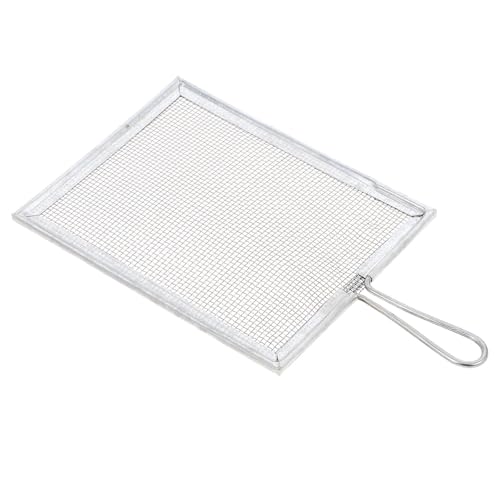
- Durable stainless steel mesh
- Compact for tool kits
- Easy to clean after use
Best For: Teachers, students, and small-batch ceramic work
Artisan Precision

- Fine 100-mesh filtration
- Durable stainless steel construction
- Round design for easy handling
Best For: Ceramic artists needing a versatile fine glaze filter
Workflow Efficiency

- Extra-fine 200-mesh screening
- Compact 6.5-inch round format
- Stainless steel, wear-resistant build
Best For: Potters wanting compact, fine impurity filtration
Studio Throughput
100-Mesh Production Glaze Sieve

- Precise 100-mesh filtration
- Built for frequent studio use
- Suitable for ceramic and industrial workflows
Best For: Studios and manufacturers needing durable repeat-use filtration
Compact Studio Sieve
Fine Mesh Pottery Glaze Filter

- Fine mesh filters slurry and pigments
- Stainless steel resists bending
- Compact and portable 4.33-inch design
Best For: Portable studio, classroom, and small-batch glazing
Adjustable Batch Filtering
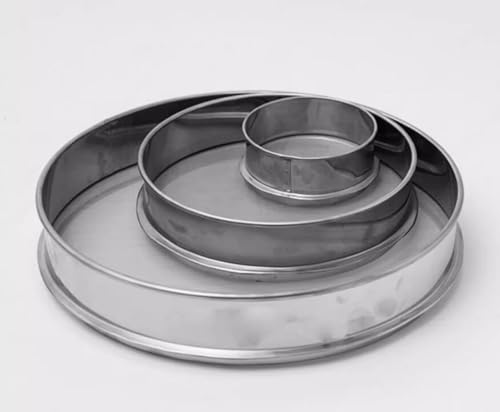
- Offers 4-, 8-, and 12-inch sizes
- Stainless steel construction
- Filters glaze sediment and impurities
Best For: Studios handling varied glaze batch sizes
Heavy-Duty Glaze Refinement

- Removes debris, aggregates, and lumps
- Durable stainless steel construction
- Larger 8.07-inch filtering surface
Best For: Frequent professional glaze and paint preparation
Flexible Studio Pair – Round & Rectangle Glaze Sieves
For professional crafters comparing glaze mixing sieves, this two-piece stainless steel set offers both round and rectangular formats for filtering liquid glazes, clay, pigments, and mud. The compact handled designs are reusable and easy to clean, making them practical for a pottery studio or home workspace.
Best For: Crafters who want two sieve shapes for flexible glaze and clay filtering.
Pros:
- Includes one round and one rectangular filter mesh.
- Stainless steel construction is reusable and designed for long-lasting use.
- Handles support easier use, cleaning, and carrying.
- Helps remove precipitation and impurities from glazes, clay, and pigments.
Cons:
- The compact sizes may be less suitable for processing large glaze batches.
- The notes do not specify the mesh count.
This is a versatile choice when shape flexibility matters more than large capacity. Its straightforward stainless steel construction suits routine studio filtering and portable setup needs.
Comfort-Grip Choice – Fine Mesh Pottery Sieves
These fine mesh glaze mixing sieves for professional crafters combine stainless steel durability with ergonomic handles for controlled, repeat use. Their uniform fine mesh is designed to remove grit from mud and glazes, while the multipurpose design also works as a paint filter or garden sieve.
Best For: Studio users who prioritize fine filtration and more comfortable handling.
Pros:
- Fine, uniform mesh supports filtering grit from mud and glazes.
- Stainless steel construction resists wear and helps maintain the mesh shape.
- Ergonomic handles are intended to reduce fatigue during extended use.
- Can also be used for paint filtering and gardening tasks.
Cons:
- The notes do not specify the exact mesh count.
- Only the overall product dimensions are provided, not separate sieve measurements.
Choose this pair if comfortable control is important during repeated mixing and filtering. Its fine mesh and broader utility make it a practical option for active craft studios.
Fine-Grade Filter – 80 Mesh Round Glaze Sieve
For crafters seeking a defined filtration level, this round 80-mesh stainless steel glaze sieve is built for clay, mud slurry, and ceramic materials. Its woven mesh is designed to reduce clogging, improve flow, and help remove impurities before firing.
Best For: Ceramicists who want a specified 80-mesh screen for cleaner glaze and slip preparation.
Pros:
- Clearly specified 80-mesh filtration.
- Designed to reduce blockages and support smoother flow.
- Suitable for clay, mud slurry, slips, and other ceramic materials.
- Reusable design can be rinsed after repeated studio use.
Cons:
- The round sieve has a compact 4.33-inch listed product footprint.
- The notes do not mention a handle.
This is the most specification-focused option in the group, especially for users who prefer an 80-mesh screen. It fits glaze and slip preparation where consistent impurity removal is a priority.
Classroom-Ready Tool – Fine Mesh Stainless Steel Sieve
This stainless steel sieve is a compact option for professional crafters, pottery teachers, students, and ceramic artists who need a fine mesh tool for detailed work. Its durable sieve net is designed for repeated use, and the easy-clean construction supports regular studio maintenance.
Best For: Teachers, students, and artists wanting a compact, durable sieve for ceramic work.
Pros:
- Stainless steel sieve net is built for durability.
- Fine mesh supports precise ceramic filtering and finishing work.
- Easy-clean design suits repeated studio use.
- Compact size is convenient for a pottery tool kit.
Cons:
- The notes do not specify the mesh count.
- The compact dimensions may limit batch capacity.
- No handle is mentioned in the supplied details.
This sieve is a sensible fit for instructional settings and small-batch ceramic projects. Its compact, durable construction emphasizes portability and routine care rather than high-volume processing.
Artisan Precision – 100-Mesh Ceramic Glaze Sieve
For professional crafters comparing glaze mixing sieves for professional crafters, this stainless steel 100-mesh model offers fine filtration in a practical round design. Its compact 10.04-by-10.04-by-2.36-inch format is suited to ceramic and pottery workflows where consistent glaze preparation matters.
Best For: Ceramic artists and pottery enthusiasts who need a durable, fine-mesh glaze filter for varied ceramic materials.
Pros:
- Fine 100-mesh filtering for glaze and paint applications.
- Stainless steel construction resists deformation.
- Round design supports straightforward handling and efficient filtration.
- Compatible with a range of ceramic materials and glazes.
Cons:
- Its 10-inch-plus overall dimensions may be larger than needed for small batches.
- The supplied notes do not specify a handle or stand.
This is a practical choice when fine filtration and stainless steel durability take priority. Its larger round format may appeal to active studios, while buyers seeking a very compact sieve should compare dimensions carefully.
Workflow Efficiency – 200-Mesh Pottery Glaze Filter
Among glaze mixing sieves for professional crafters, this stainless steel 200-mesh filter emphasizes fine screening and quick workflow support. Its 6.5-by-6.5-by-2.2-inch round profile provides a more compact option for pottery, paint, and other material-filtering tasks.
Best For: Potters and makers who want a compact, fine stainless steel sieve for removing impurities from glazes and paints.
Pros:
- 200-mesh construction supports very fine filtration.
- Stainless steel build is designed for wear resistance and longevity.
- Compact round shape is practical for studio or field use.
- Designed to help filter materials quickly and reduce workflow effort.
Cons:
- The smaller size may offer less capacity than larger studio sieves.
- The supplied details do not identify a handle or additional accessories.
Choose this model when fine screening and a space-conscious footprint are more important than maximum capacity. The 200-mesh specification makes it the finest-filtering option in this selection based on the supplied product information.
Studio Throughput – 100-Mesh Production Glaze Sieve
For makers evaluating glaze mixing sieves for professional crafters, this stainless steel 100-mesh sieve is designed around repeatable filtration and frequent use. Its 10.04-by-10.04-by-2.36-inch round format is intended for ceramic materials and glazes in both small-scale and industrial production settings.
Best For: Ceramic studios and manufacturers seeking a sturdy 100-mesh sieve for recurring glaze filtration.
Pros:
- 100-mesh stainless steel filter supports precise removal of unwanted material.
- Built to resist deformation during frequent use.
- Works with a variety of ceramic materials and glazes.
- Designed to support faster filtration in studio or industrial workflows.
Cons:
- The larger dimensions may be less convenient for limited workspaces.
- It uses 100 mesh, so it is less fine than the 200-mesh alternative listed here.
- The supplied notes do not mention a handle or stand.
This model stands out for buyers prioritizing durability, adaptable use, and filtration speed. It is a sensible fit for busy ceramic environments, especially where the larger round format can be accommodated.
Compact Studio Sieve – Fine Mesh Pottery Glaze Filter
For professional crafters seeking glaze mixing sieves for professional crafters, this compact stainless steel tool offers fine filtration for pottery slurry, pigments, and paint. Its lightweight design is convenient for studio, classroom, or portable setups.
Best For: Potters and artists who need a compact, reusable sieve for routine glaze and paint filtering.
Pros:
- Fine mesh helps create a smoother texture by separating slurry and pigments.
- Stainless steel construction resists bending during repeated use.
- Compact 4.33 x 4.33 x 2.16-inch size is easy to carry and store.
- Suitable for ceramic glaze and paint filtering.
Cons:
- Only one strainer is included.
- Its compact size may be less suitable for filtering large batches.
This is a practical pick when portability and simple, consistent screening matter more than batch capacity.
Adjustable Batch Filtering – 80-Mesh Glaze Sieve Set
Among glaze mixing sieves for professional crafters, this stainless steel option stands out for offering three diameter choices. Its 80-mesh screens are intended to remove sediment and impurities from glaze, with larger sizes supporting broader filtering tasks.
Best For: Crafters who want multiple sieve sizes for different glaze quantities and working setups.
Pros:
- Includes 4-, 8-, and 12-inch diameter size options.
- Stainless steel construction is suited to repeated glaze screening.
- Helps filter sediment and impurities for more consistent firing results.
- 80 mesh provides fine particle filtration for glaze preparation.
Cons:
- The listed set uses 80 mesh rather than including multiple mesh densities.
- For finer filtration, the notes indicate that 100- or 120-mesh sieves may be preferable.
The range of sizes makes this a flexible choice for studios that screen both small and larger glaze batches, though users needing different fineness levels may want additional mesh options.
Heavy-Duty Glaze Refinement – Stainless Fine Mesh Sieve
For crafters comparing glaze mixing sieves for professional crafters, this larger stainless steel fine-mesh sieve is designed to remove debris, aggregates, and small lumps from ceramic glaze and paint. Its robust construction supports repeated washing and regular studio use.
Best For: Professional pottery and painting workflows that need consistent fine filtration across repeated projects.
Pros:
- Fine mesh helps remove small lumps and impurities from glaze and paint.
- Stainless steel construction resists bending, wear, and chemical exposure.
- Designed for repeated washing and heavy use.
- 8.07-inch diameter supports more substantial filtering than a compact sieve.
Cons:
- The larger footprint requires more storage space.
- The notes do not specify the exact mesh count.
This sieve is a strong fit for demanding studio routines where durability and repeatable particle removal are priorities, especially when working with glaze and paint regularly.
How We Picked the Best Glaze Mixing Sieves for Professional Crafters
We evaluated the selected sieves against the practical demands of ceramic glaze preparation: mesh fineness, screen material, opening size, handling comfort, and suitability for repeated studio use. Stainless steel is generally preferred because it resists corrosion and is easier to clean after contact with wet glaze. We also considered whether each design is better suited to individual batches, classroom work, or higher-volume studio processing.
Product names and listings can vary, so verify the current dimensions, mesh rating, included pieces, and construction details before ordering. A sieve’s performance also depends on glaze viscosity and how thoroughly the material is mixed before screening.
Quick Comparison
| Best For | Look For | Typical Choice |
|---|---|---|
| General studio use | Fine stainless-steel mesh and a comfortable rim | 80-100 mesh |
| Smoother, highly filtered glazes | Very fine screening with slower flow | 200 mesh |
| Classes and shared workspaces | Durable construction and easy cleaning | Handled or reinforced models |
| Large batches | Wider diameter and greater screening area | Multi-size sets or 8-12-inch models |
Key Buying Factors for Glaze Mixing Sieves for Professional Crafters
Mesh Size
Mesh count indicates the approximate number of openings per linear inch. An 80-mesh sieve is a versatile starting point for many studio glazes, while 100 mesh provides finer screening. A 200-mesh option can help with exceptionally smooth finishes, but it usually filters more slowly and may clog more readily.
Diameter and Capacity
A small round sieve is convenient for test batches and narrow containers. Larger screens cover more surface area and reduce the time needed for bucket-sized batches. Check both the stated diameter and the usable opening, since outer dimensions may include the rim.
Handling and Workflow
Handles can make repeated screening easier, particularly when working over a mixing bucket. Rimmed designs may rest securely on containers, while handle-free screens can be simpler to position or use with a separate support. For classrooms, prioritize designs that are easy to pass around, rinse, and store.
Cleaning and Durability
Choose corrosion-resistant stainless steel and rinse the screen promptly after use. Avoid letting glaze dry in the mesh, where it can reduce flow or require aggressive scrubbing. If you screen frequently, a sturdy frame and securely attached mesh are more important than a low purchase price.
Who Should Buy Which Glaze Mixing Sieves for Professional Crafters?
Choose an 80-mesh sieve for a flexible everyday tool, especially if you are screening standard studio glazes. Move to 100 mesh when you want finer filtration for ceramic art or repeated production work. A 200-mesh model is best for experienced crafters who specifically need very fine screening and are comfortable with slower throughput.
Buy a handled sieve if your workflow involves buckets, teaching, or frequent transfers. Consider a multi-size set if you work with both test batches and larger volumes. For a professional studio, owning two mesh sizes—such as 80 or 100 mesh alongside a finer option—can be more useful than relying on one sieve for every glaze.