Desktop milling machines for metal are now more capable, more compact, and easier to set up than ever, making them appealing for home shops, makers, and light-duty fabrication.
Whether you want a compact CNC for detailed parts or a sturdier benchtop machine for small metal jobs, this roundup focuses on practical choices that balance precision, workflow, and value.
Best 10 Desktop Milling Machines for Metal Picks for 2026
Best for Compact Precision
Carvera Air Desktop CNC Machine
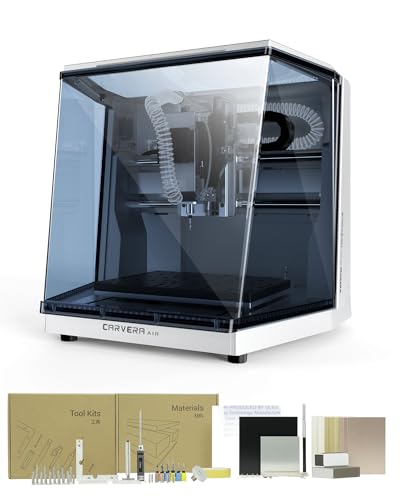
- Enclosed desktop CNC with a compact footprint
- Auto probing and leveling for better accuracy
- Quick tool changer for faster multi-step jobs
Best For: Makers and small workshops needing a compact, precise CNC for detailed work and light metal projects.
Best for Small Garage Shops
Power Mini Metal Milling Machine W104MA

- Compact footprint for tight workshop spaces
- Handles light metal, wood, and timber projects
- Good entry-level choice for hobby users
Best For: Hobbyists and garage workshop users who need a small, versatile machine for light-duty milling.
Best for Beginners
Genmitsu Cubiko CNC Router with Enclosure
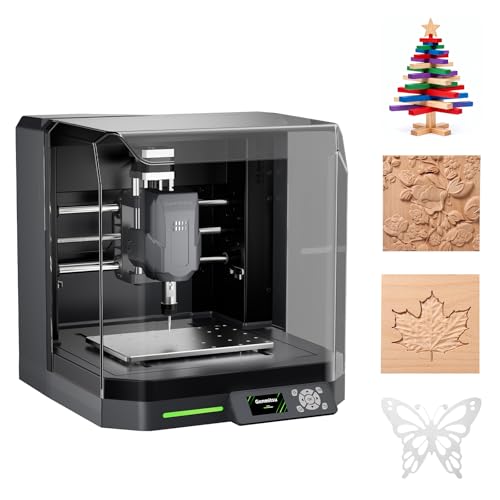
- No assembly required for quick setup
- Auto Z-probing simplifies calibration
- Enclosed design improves safety and cleanliness
Best For: Beginners and hobbyists who want an easy desktop CNC for light metal and engraving projects.
Best for Micron Precision
Mini 3-Axis 36W Metal Milling Machine

- Electroplated all-metal body for added rigidity and rust resistance
- 0.02mm handwheels for fine three-axis control
- Includes a scaled 50mm vise for secure positioning
Best For: Hobbyists and makers who need a compact mill for precise light-duty machining.
Best for Easy Setup
Masuter 6-300W Desktop CNC Mill

- 300W spindle handles aluminum, wood, and plastic
- Quick 10–15 minute setup with pre-wired parts
- Closed-loop motion system improves accuracy and repeatability
Best For: Beginners and small-shop users who want a compact CNC for light metal engraving and mixed-material projects.
Best for Beginners & Education
Universal Mini Metal Milling Machine W10004M

- Compact benchtop size for classrooms and small workspaces
- 24W, 12V design is friendly for beginners and teaching use
- Works on wood, plastic, and soft metals like copper and aluminum
Best For: Students, hobbyists, and educators who need a compact light-duty milling machine.
Best for Precision Metal Engraving
800x400mm Closed-Loop CNC Router

- <±0.03 mm accuracy for detailed work
- Closed-loop motors and ball screws reduce backlash
- Large 800 x 400 mm area for bigger projects
Best For: Makers who need a precise desktop CNC for light aluminum milling and engraving.
Best for 4th-Axis Precision
Carvera Air Desktop CNC Machine

- Optional 4th axis for cylindrical and 4-axis projects
- Quick tool changer streamlines multi-step workflows
- Auto-probing and closed-loop control improve accuracy
Best For: Makers who want a compact CNC with precision automation and rotary machining.
Best for Small Spaces
TTC3018 Pro All-Metal Mini CNC Router

- All-metal Z-axis improves stability
- Compact 15 lb footprint saves desk space
- Wi-Fi, TF card, and USB connection options
Best For: Makers and students who need a compact CNC for light-duty metal engraving and DIY projects.
Best for Multi-Axis Projects
Carvera Air Desktop CNC Machine

- 4th-axis support for cylindrical and double-sided parts
- Quick tool changer and auto-probing streamline workflows
- Enclosed compact design suits small workshops
Best For: DIY makers and small workshops needing a compact CNC mill for metal, wood, and PCB work.
Best for Compact Precision – Carvera Air Desktop CNC Machine
If you want one of the more refined desktop milling machines for metal without jumping to a full-size shop setup, the Carvera Air is built for compact, high-precision work. Its enclosed design, auto probing, and quick tool changes make it a practical fit for makers who need repeatable results on small parts, PCBs, prototypes, and light metal jobs.
Best For: Hobbyists, makers, and small workshops that want a compact CNC mill with strong accuracy, safer enclosed operation, and faster workflow changes.
Pros:
- Auto probing and surface leveling help improve accuracy on uneven stock
- Quick tool changer speeds up multi-step jobs like drilling, engraving, and cutting
- Fully enclosed design helps reduce noise, dust, and chip mess
- Works with Makera CAM plus common CAD/CAM tools for flexible workflows
Cons:
- Small work area limits larger projects and thicker stock
- Best suited to light-duty metal work rather than heavy industrial milling
- Requires learning CNC software and setup workflows
Overall, the Carvera Air stands out for buyers who value precision, enclosure, and ease of use over raw cutting size. For shoppers comparing desktop milling machines for metal, it makes the most sense when the work is detailed, small-scale, and repeatable rather than rugged production milling.
Best for Small Garage Shops – Power Mini Metal Milling Machine W104MA
If you’re comparing desktop milling machines for metal and need something compact for light-duty work, this mini milling machine is aimed at hobby setups, small garage benches, and mixed-material projects. Its 24-watt motor and small footprint make it more about basic shaping, trimming, and learning than heavy stock removal.
Best For: Hobbyists and garage workshop users who want a compact, budget-friendly machine for occasional light milling on metal, wood, and timber.
Pros:
- Compact size fits crowded benches and small workshop spaces
- Works across metal, wood, and timber for versatile hobby use
- Simple setup is appealing for beginners and casual makers
- Low-power design suits light-duty tasks and practice projects
Cons:
- 24-watt output is not meant for serious metal removal
- Better suited to light hobby work than precision production use
- Limited size means it won’t handle larger workpieces
For buyers filtering desktop milling machines for metal, this model makes sense if your priority is a small, affordable machine for occasional jobs rather than industrial performance. It is a practical entry-level option for learning, tinkering, and very light workshop tasks.
Best for Beginners – Genmitsu Cubiko CNC Router with Enclosure
For shoppers comparing desktop milling machines for metal, the Genmitsu Cubiko stands out for its plug-and-play setup, automatic height probing, and enclosed design. It’s aimed at users who want a compact CNC that’s easier to start with while still offering enough rigidity and precision for light metal work.
Best For: Beginners and hobbyists who want an easy-to-use desktop CNC for engraving, light milling, and small metal projects.
Pros:
- No assembly required, so you can start carving right out of the box.
- Auto Z-probing and surface adjustment reduce setup time and improve consistency.
- Enclosed design helps contain dust, reduce noise, and improve safety.
- Supports popular software and app control for flexible workflows.
Cons:
- Metal cutting is limited to shallow passes, so it’s not built for heavy-duty milling.
- Best suited to small-format projects rather than larger workpieces.
Overall, the Cubiko is a practical entry-level option if you want one of the more approachable desktop milling machines for metal, especially for light engraving and precision detail work. Its automation and enclosure make it appealing for home workshops, but it’s not a replacement for a true industrial mill.
Best for Micron Precision – Mini 3-Axis 36W Metal Milling Machine
If you’re comparing desktop milling machines for metal and want a compact unit focused on fine control rather than heavy stock removal, this 3-axis mini mill is built around precision. The electroplated all-metal body, 0.02mm handwheels, and anti-vibration slide design make it a practical choice for small parts, model work, and light-duty machining.
Best For: Hobbyists and makers who need a rigid, compact mill for detailed metal, wood, and plastic work.
Pros:
- All-metal electroplated construction helps improve rigidity and rust resistance.
- 0.02mm scaled handwheels support fine X/Y/Z axis adjustments for detailed cuts.
- Includes a 50mm metal vise with scales for quicker clamping and positioning.
- Anti-vibration features are designed to reduce chatter and improve surface finish.
Cons:
- 36W power is suited to light-duty work, not aggressive metal removal.
- Small form factor limits the size of workpieces you can machine.
For buyers focused on accuracy, this is a strong entry-level option among desktop milling machines for metal, especially when the job calls for precision on small parts instead of workshop-scale throughput. It’s a better fit for prototyping and model making than for production machining.
Best for Easy Setup – Masuter 6-300W Desktop CNC Mill
If you want a desktop CNC that can handle light metal work without a steep learning curve, this Masuter 6-300W is worth a look. It stands out among desktop milling machines for metal thanks to its closed-loop motion system, compact footprint, and beginner-friendly setup for home shops and hobby use.
Best For: Beginners and small-shop users who want a compact CNC router for engraving and light milling on aluminum, wood, and acrylic.
Pros:
- 300W spindle is suitable for soft metals like aluminum, plus wood and plastics
- Pre-assembled, pre-wired design can get you up and running in about 10–15 minutes
- Closed-loop motors, ball screws, and linear rails help deliver precise, low-backlash motion
- 400 × 400 × 75 mm work area offers solid space for small parts and prototypes
Cons:
- Better suited to light-duty metal engraving than heavy milling
- Optional expansion kit means larger projects may need extra investment
- Desktop format limits the size and depth of work compared with full-size CNCs
Overall, this is a practical entry point if you’re comparing desktop milling machines for metal and want accuracy, simple assembly, and a small-footprint machine that can also handle mixed-material projects.
Best for Beginners & Education – Universal Mini Metal Milling Machine W10004M
If you’re comparing desktop milling machines for metal and want a compact, low-power option for learning, this mini benchtop machine is built for small projects, modelmaking, and classroom demonstrations. It’s designed for light-duty work on wood, plastic, and soft metals like pure copper and pure aluminum, so it’s a practical choice when space, safety, and simplicity matter more than industrial capacity.
Best For: Hobbyists, students, and makers who need a compact training machine for light metalworking and model projects.
Pros:
- Compact footprint is ideal for desks, small workshops, and lab spaces
- 12V DC power and 24W motor make it approachable for beginners and education use
- Metal main components and aluminum alloy body add durability for regular light use
- Includes cutters, chucks, goggles, and basic accessories to get started
Cons:
- Only suitable for soft metals, not harder alloys or heavy stock removal
- Feed rates are slow on tougher materials, so production work will feel limited
- Small travel and vise size restrict the size of parts you can machine
This is not a heavy-duty shop machine, but it does fit the niche many buyers want from desktop milling machines for metal: a small, safe, and instructional tool for light fabrication and skill-building. If your goal is precision learning rather than aggressive cutting, it makes a lot of sense.
Best for Precision Metal Engraving – 800x400mm Closed-Loop CNC Router
If you want one of the more capable desktop milling machines for metal in a hobbyist-friendly package, this CNC router stands out for its closed-loop motion system, ball screws, and compact 800 x 400 mm work area. The 300W spindle is best suited to light-duty metal work, especially aluminum and other soft materials, while still handling wood and acrylic well.
Best For: Makers who want a desktop CNC with strong positioning accuracy for engraving, prototyping, and light aluminum milling.
Pros:
- High accuracy: <±0.03 mm positioning and ±0.01 mm repeatability help with fine detail work.
- Closed-loop control: Stepper motors, ball screws, and linear guides reduce backlash and missed steps.
- Large work area: The 800 x 400 mm bed gives you room for bigger projects than many desktop units.
- Quick setup: Pre-assembled, pre-wired parts make first use much faster.
Cons:
- Not a heavy-duty mill: The 300W spindle is better for soft metals than aggressive steel cutting.
- Requires tuning: Precision performance depends on careful setup and workholding.
- Footprint: Larger than ultra-compact desktop machines, so it needs dedicated bench space.
For buyers comparing desktop milling machines for metal, this model makes the most sense as a precision-focused light-metal option rather than a full industrial cutter. It offers a strong mix of size, accuracy, and usability for engraving and aluminum work.
Best for 4th-Axis Precision – Carvera Air Desktop CNC Machine
If you want one of the more capable desktop milling machines for metal without jumping to a full-size industrial setup, the Carvera Air is built for precise small-part work, automation, and multi-step projects. Its enclosed design, quick tool changing, and optional 4th axis make it a strong fit for makers who need accuracy on compact jobs.
Best For: Makers, workshops, and advanced hobbyists who want a compact CNC for detailed milling, carving, engraving, and light metal work with added 4th-axis flexibility.
Pros:
- Optional 4th axis enables cylindrical machining and true simultaneous 4-axis work
- Quick tool changer speeds up complex projects and multi-tool workflows
- Auto-probing, leveling, and closed-loop spindle control help improve precision
- Compact enclosed format is easier to manage in a workshop than larger machines
Cons:
- Workspace is limited compared with larger benchtop CNC mills
- Not aimed at heavy-duty industrial metal removal
- Advanced features may be more than casual beginners need
The Carvera Air stands out for users who care about automation and repeatable accuracy, especially when comparing desktop milling machines for metal that also need flexibility for wood, plastics, and rotary work. It’s a strong choice if your projects are small, detailed, and upgrade-friendly.
Best for Small Spaces – TTC3018 Pro All-Metal Mini CNC Router
If you’re comparing desktop milling machines for metal, the TTC3018 Pro is a compact entry point that leans on an all-metal Z-axis, 0.1mm claimed positioning accuracy, and a light 15 lb footprint. It’s not a heavy-duty metal mill, but it can help with light aluminum and brass sheet work while still handling wood, acrylic, MDF, and nylon for everyday desktop projects.
Best For: Makers, students, and small-shop users who want a compact CNC for learning, prototyping, and light-duty metal engraving.
Pros:
- All-metal Z-axis with backlash-eliminating lead screws for better stability
- Compact, lightweight design fits easily on a desk or workbench
- Wi-Fi, TF card, and USB options make file transfer flexible
- Includes cutters, collet, spindle, and tools to get started fast
Cons:
- Small 300 x 180 x 40 mm work area limits part size
- Better suited to light metal processing than serious milling
- Assembly is part of the experience, so it takes some patience
For shoppers browsing desktop milling machines for metal, this model makes the most sense when portability, low space usage, and learning value matter more than raw cutting power. It’s a practical starter machine for light-duty metal engraving and mixed-material DIY work.
Best for Multi-Axis Projects – Carvera Air Desktop CNC Machine
If you want one of the more capable desktop milling machines for metal without moving into a full-size shop setup, the Carvera Air stands out for its enclosed design, quick tool changes, and automation features. It is aimed at makers who need precision for small parts, prototypes, and mixed-material jobs, while still keeping the workflow approachable.
Best For: DIY makers, small workshops, and users who want a compact CNC mill with 4th-axis capability for detailed metal, wood, and PCB work.
Pros:
- 4th-axis support opens up cylindrical parts, double-sided machining, and more complex 3D work
- Quick tool changer and auto-probing help speed up multi-step projects
- Closed-loop control and low spindle runout support finer accuracy on demanding cuts
- Enclosed, compact format is better suited to home workshops than larger machines
Cons:
- Smaller work area limits the size of parts you can machine
- 4th-axis machining is powerful, but it adds complexity for beginners
- Not the fastest path for users who only need simple 2D milling
For buyers comparing desktop milling machines for metal, the Carvera Air is most compelling when precision, automation, and multi-axis flexibility matter more than raw table size. It is a strong fit if you want a compact CNC that can grow with more advanced projects.
How We Picked the Best Desktop Milling Machines for Metal
To narrow down the best Desktop Milling Machines for Metal, we focused on build quality, spindle power, rigidity, motion control, work area, enclosure design, and features that improve repeatable results such as auto probing, closed-loop motors, and ball screws. We also considered setup complexity and whether each machine suits beginners, hobbyists, or users who need more consistent small-part production.
Quick Comparison
In general, enclosed compact CNC systems are better for clean, controlled work and smaller precision parts, while larger open-frame desktop mills offer more room and flexibility for bigger projects. If you plan to machine aluminum, brass, or other metals regularly, prioritize stiffness, better guides, and reliable control over raw speed or extra software extras.
Key Buying Factors for Desktop Milling Machines for Metal
Rigidity and Accuracy
For metal, rigidity matters more than almost anything else. A machine that flexes under load will struggle with clean cuts, so look for an all-metal frame, solid linear motion components, and a design built to hold tolerance.
Spindle Power and Speed Control
Light metal milling benefits from a spindle that can maintain stable speed under load. More power helps, but so does controllable speed for matching the material and cutter size. For Desktop Milling Machines for Metal, a balanced setup is usually better than a high-speed-only design.
Work Area and Part Size
Choose the smallest work envelope that still fits your typical projects. A compact machine can be more rigid and easier to manage, while a larger one adds flexibility if you plan to machine plates, brackets, or prototype components.
Automation and Ease of Use
Features like auto Z-probing, quick tool changes, closed-loop stepper motors, and enclosure support can reduce setup time and mistakes. These features are especially helpful if you are new to CNC or want more repeatable results without constant tuning.
Who Should Buy Which Desktop Milling Machines for Metal?
If you are a beginner or mainly making small precision parts, a compact enclosed desktop CNC is usually the safest and easiest starting point. If you want more versatility for wood, plastics, and occasional metal work, a desktop router-style machine may offer better value. If your priority is aluminum or other metals with more serious accuracy needs, spend more on rigidity, motion quality, and closed-loop control rather than accessories alone. For most buyers, the best choice is the machine that matches both your material and your workflow, not just the one with the biggest feature list.