A worn ring or small repair calls for different equipment than plating a batch of jewelry. The right machine depends on the area you need to cover, the plating solution you plan to use, and how much control you need over the electrical output.
These 10 options range from pen-style tools for localized touch-ups to adjustable 30A machines. Use the comparisons below to narrow down a setup that fits your projects and workspace.
Best 10 Electroplating Machines for Jewelry Picks for 2026
Hobbyist Gold Kit
Mini Plater 24K Gold Plating Kit

- 24K gold plating kit
- Continuous operation
- Simple single-speed setup
Best For: Straightforward residential gold plating
High-Current Control
SHZICMY 30A Gold Plating Machine

- Adjustable 0–20V output
- Adjustable 0–30A current
- Includes clamping cables
Best For: Users needing adjustable plating power
Portable Digital Option
L-home Jewelry Plating Machine

- 5.06-pound listed weight
- Readable display
- Adjustable voltage
Best For: Portable jewelry plating setups
Analog-Meter Pick
Professional Gold Plating Machine
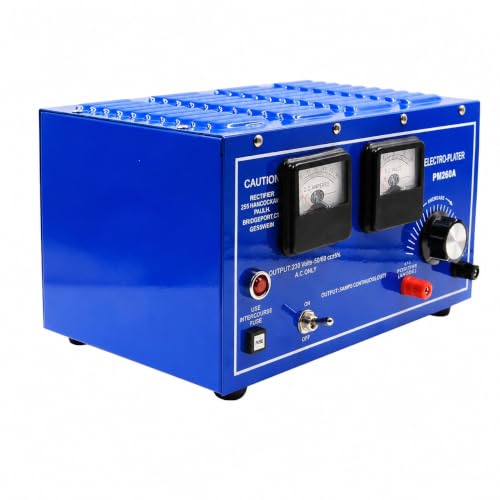
- Dual analog meters
- 0–30V DC output
- Ventilated metal housing
Best For: Monitoring plating power with analog meters
Portable Pick
110V Silver and Gold Plating Machine

- Adjustable to 20V and 2.0A
- Readable dial display
- 4.64-pound compact unit
Best For: Portable silver and gold jewelry plating
Detail-Work Pick
Pen-Type Partial Plating Machine
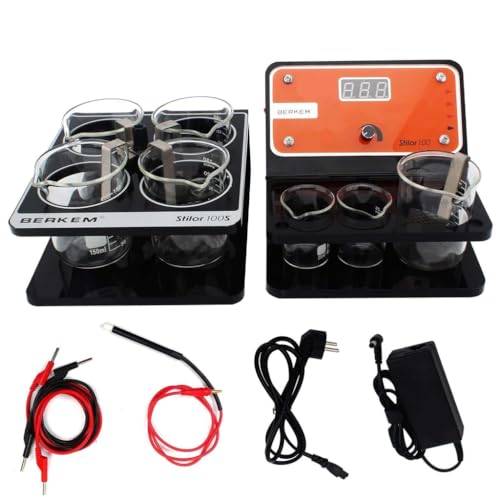
- Designed for local plating
- 2.0–13.0V, 3A output
- Includes cups, leads, and manual
Best For: Targeted plating and surface restoration
High-Current Pick
Compact 30A Jewelry Plating Machine

- Stated maximum of 30A
- Adjustable voltage and current
- Knob controls with English manual
Best For: Adjustable plating of jewelry and small metal accessories
Best with Extra Features

- 30A maximum output
- Dual voltage and current gauges
- Required plating accessories sold separately
Best For: Platers building a higher-current workstation
Spot-Repair Pick
Adjustable Pen Plating Machine

- Pen-style localized plating
- 2.0–13.0V output range
- Includes leads, clamps, and cups
Best For: Targeted jewelry plating and surface repair
Low-Current Kit Pick
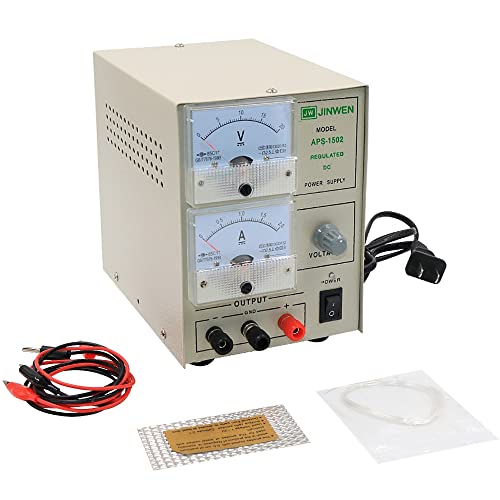
- 2A maximum adjustable current
- Includes mesh, waterline, and clips
- Front dial and adjustable voltage
Best For: Small-scale plating with basic hardware included
Hobbyist Gold Kit – Mini Plater 24K Gold Plating Kit
For shoppers comparing electroplating machines for jewelry, this 24K gold plating kit offers a straightforward option for residential projects. Its single-speed, continuous-operation design keeps the controls simple.
Best For: Hobbyists who want a simple kit for 24K gold plating.
Pros:
- Described as a complete 24K gold plating kit.
- Continuous operation suits repeated plating tasks.
- Single-speed setup is uncomplicated for beginners.
Cons:
- One speed limits adjustment options.
- Supplied details do not specify voltage or current controls.
Choose this if ease of use matters more than fine-tuning electrical settings; check the listing for the exact kit contents before buying.
High-Current Control – SHZICMY 30A Gold Plating Machine
Among electroplating machines for jewelry, the SHZICMY stands out for its adjustable 0–20V output and 0–30A current range. Knob controls and included clamping cables make it a practical choice for users who want to set their plating power.
Best For: Jewelry makers who need adjustable voltage and current for different plating projects.
Pros:
- Independent voltage and current adjustment.
- 30A maximum current supports higher-current work.
- Includes clamping cables and a manual.
- Galvanized steel housing has cooling vents and anti-slip feet.
Cons:
- At 23 pounds, it is less convenient to move than the lighter units here.
- Its 10.23 × 9.44-inch footprint needs workspace.
This is the control-focused pick if you can accommodate its size and weight. Match its output settings to the requirements of your plating process.
Portable Digital Option – L-home Jewelry Plating Machine
If portability is a priority when comparing electroplating machines for jewelry, this L-home unit weighs 5.06 pounds and is described as small and easy to carry. Its readable display and adjustable voltage offer more flexibility than a fixed-setting machine.
Best For: Jewelry makers who want a lighter plating power supply with voltage adjustment.
Pros:
- Portable design and 5.06-pound listed weight.
- Adjustable voltage with a readable display.
- Listed for copper, nickel, chromium, gold, and silver plating.
Cons:
- Supplied details do not state the voltage or current output ranges.
- Package contents beyond the machine and connecting wire are not clearly specified.
This is worth considering for a compact setup, but confirm its output range and included accessories against your intended plating process.
Analog-Meter Pick – Professional Gold Plating Machine
Professional Gold Plating Machine, Silver Plating Jewelry Plating Machine Plating Processing Tools.
Check Price On AmazonFor buyers evaluating electroplating machines for jewelry, this blue metal rectifier provides dual analog meters for monitoring voltage and current. Its adjustable voltage knob and stated 0–30V DC output make the power controls easy to identify.
Best For: Users who prefer analog voltage and current readings in a metal-housed power supply.
Pros:
- Separate analog meters display voltage and current.
- Adjustable voltage control and on/off toggle switch.
- Ventilated housing and LED indicator light.
Cons:
- Supplied details do not specify the current output range.
- Included plating accessories are not listed.
This is a sensible option if you value visible analog readings. Verify its current capacity and any accessories you need before choosing it for a particular plating bath.
Portable Pick – 110V Silver and Gold Plating Machine
Among electroplating machines for jewelry, this 110V unit is a compact option for silver and gold plating with a readable dial and adjustable output.
Best For: Buyers who want a portable machine for small jewelry-plating projects.
Pros:
- Adjustable output up to 20V and 2.0A.
- Dial display makes settings easy to read.
- Compact 10 x 6 x 8-inch body weighs 4.64 pounds.
Cons:
- Instructions specify pure distilled water for silver salt, electrolytic cleaning salt, and beaker cleaning.
- Recommended gold-plating time is 90–120 seconds, with initial shaking required.
This is a practical choice when portability matters, provided you can follow the stated preparation and plating steps.
Detail-Work Pick – Pen-Type Partial Plating Machine
For shoppers comparing electroplating machines for jewelry, this pen-type model focuses on local plating and surface restoration rather than broad coverage.
Best For: Targeted gold, silver, or copper plating on decorative details.
Pros:
- Pen design supports controlled partial-plating work.
- Adjustable 2.0–13.0V output and 3A output current.
- Includes connection wires, clips, cups, and an English manual.
Cons:
- Pen format is oriented toward local work, not broad-area plating.
- At 6.87 pounds, it is heavier than its roughly 4-inch dimensions may suggest.
Choose this model when precision and reducing plating-solution waste matter more than covering a large surface at once.
High-Current Pick – Compact 30A Jewelry Plating Machine
Among electroplating machines for jewelry, this 110V model stands out for its stated maximum 30A current and adjustable voltage and current controls.
Best For: Buyers seeking adjustable, higher-current equipment for jewelry and other small metal accessories.
Pros:
- Maximum 30A current with conductive clamp wires.
- Voltage and current controls allow adjustment for material and desired coating thickness.
- Knob controls and an English instruction manual support setup.
Cons:
- The supplied details do not state the specific voltage or current adjustment ranges.
- Its 12.01 x 7.68 x 7.28-inch body requires more space than a pen-style unit.
Its adjustable controls make it worth considering for varied plating jobs, but check the operating ranges if your process requires precise settings.
Best with Extra Features – 30A Jewelry Plating Rectifier
Among electroplating machines for jewelry, this 110V rectifier is the high-current option, with a maximum 30A output and adjustable voltage up to 20V. Its two gauges let you monitor voltage and current while making adjustments.
Best For: Jewelry platers who need a higher-current power supply and already have, or plan to buy, the required plating accessories.
Pros:
- Dual gauges display voltage and current.
- Offers automatic voltage regulation, steady current, and overvoltage and overcurrent protection.
- Suitable for plating with metals including gold, silver, copper, nickel, and chromium.
Cons:
- Required accessories, including a beaker, titanium mesh, plating solution, and electrolytic powder, are not included.
- Its 30A capacity may be more than a small jewelry repair task calls for.
This is a power-supply-centered choice rather than a ready-to-use plating setup. Check the accessory requirements before budgeting for a complete workstation.
For shoppers comparing electroplating machines for jewelry repair, this pen-style model focuses on localized work rather than dipping an entire piece. It provides a 3A output current and an adjustable 2.0–13.0V output range.
Best For: Localized plating and surface-restoration work on jewelry.
Pros:
- Pen design helps target small areas.
- Adjustable output accommodates different plating tasks.
- Package lists the host, power line, connection leads, clamps, and cups.
Cons:
- Its localized approach is less suited to coating an entire piece in one operation.
- Plating solutions are not listed among the included items.
Choose this model when control over a specific repair area matters most. Confirm that you have the appropriate plating solutions before starting a project.
If you are comparing electroplating machines for jewelry and want some basic hardware included, this 110V, 2A model comes with titanium mesh, a waterline, and two alligator clips. It is intended for gold or silver plating and surface repair.
Best For: Small-scale jewelry plating setups that need a low-current machine with several basic accessories included.
Pros:
- Includes titanium mesh, a waterline, and two alligator clips.
- Adjustable voltage and a front dial support monitoring and setting the output.
- Maximum adjustable current is 2.0A.
Cons:
- Its 2A maximum current is lower than the 30A model in this roundup.
- Plating solutions are not listed in the package contents.
This is a practical starting point if the included connections match your planned setup, but account for any plating chemicals and other supplies you still need.
How We Picked the Best Electroplating Machines for Jewelry
We compared the listed machines by plating format, stated electrical output, adjustability, portability, and intended use. The selection covers pen-type tools, compact kits, and higher-current units so you can compare approaches rather than just similar listings. Product names alone do not establish plating quality or confirm what accessories are included; check the current listing and manual before buying.
Quick Comparison: Which Type Fits Your Work?
Pen-type machines suit localized work, such as touching up a small worn area or applying plating where precise placement matters. Portable kits and lower-current machines are a practical starting point for occasional small jewelry projects, provided their output and included accessories match your process. Adjustable 30A machines offer more current capacity for larger work or multiple pieces, but a 30A rating does not mean every jewelry job should run at high current. The plating solution and workpiece determine the appropriate settings.
Key Buying Factors for Electroplating Machines for Jewelry
Plating Method and Output Control
First decide whether you need brush or pen plating for a specific spot, or an immersion setup for more uniform coverage of an entire piece. For either method, look for output controls suited to the solution maker’s recommended voltage and current range. A readable display can help you repeat settings, but it cannot compensate for poor surface preparation.
Metal Compatibility and Kit Contents
Gold, silver, and rhodium processes may require different solutions, anodes, applicators, and preparation steps. A machine advertised for several metals is not necessarily ready to plate all of them out of the box. Confirm whether the package includes leads, clips, pen tips, a plating vessel, anodes, and solutions. Also check whether consumables can be replaced easily.
Power, Workspace, and Safety
Verify the input voltage against your local outlet; several listed units specify 110V. Check the machine’s footprint, cable length, and whether you have room for cleaning and rinsing stages. Follow the solution manufacturer’s instructions for ventilation, protective equipment, electrical setup, and chemical disposal. Plating should not be attempted on an unidentified metal or finish without checking compatibility first.
Who Should Buy Which Electroplating Machines for Jewelry?
Choose a pen-type unit if your main task is careful, localized repair. Consider a portable kit or lower-current machine for occasional small pieces when simplicity and storage matter. Look at an adjustable 30A unit if you expect varied work and need additional current headroom, while still using settings appropriate to each job. If you are new to plating, prioritize clear documentation, compatible supplies, and a manageable workflow over the highest advertised amperage.