Choosing the right planer can make DIY woodworking cleaner, faster, and far less frustrating. Whether you need to smooth rough lumber, shave down doors, or add crisp edges, the best tool depends on your project and your workspace.
This roundup highlights versatile options for hobbyists and home woodworkers, from compact hand planers to heavier benchtop models for more demanding stock removal.
Best 10 Wood Planers for DIY Projects Picks for 2026
Lightweight DIY Pick
WEN 6530 6-Amp Electric Hand Planer
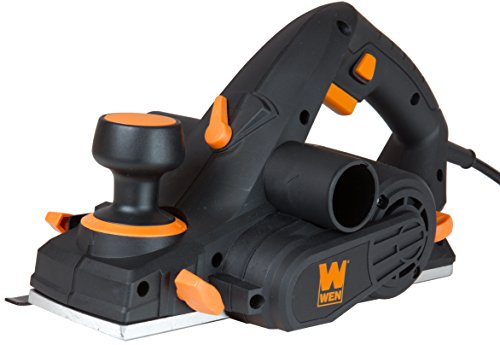
- 6-amp motor with up to 34,000 cuts per minute
- 16 depth stops from 0 to 1/8 inch
- Weighs 6 pounds and includes rabbeting guide
Best For: Home DIYers needing a light, easy-to-handle corded planer
Benchtop Shop Upgrade
JET 13-Inch Benchtop Thickness Planer

- Helical cutterhead with 26 quick-change inserts
- 13-inch width capacity with 2-HP motor
- Cast iron bed helps reduce snipe and keep boards flat
Best For: DIYers setting up a home shop for board flattening and thicknessing
Powerful Handheld Option
7.7-Amp Corded Electric Hand Planer
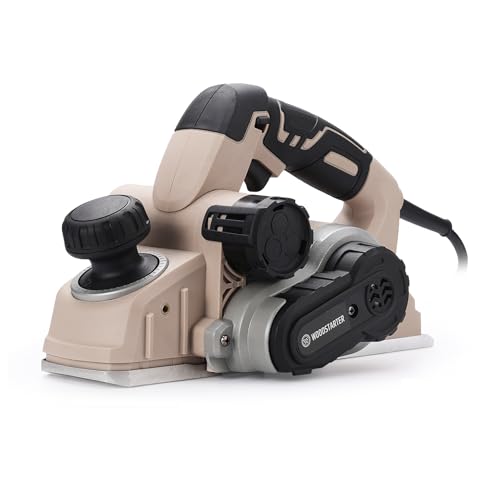
- 7.7-amp motor with 15,000 RPM
- 20 depth settings up to 5/32 inch
- Includes dust bag, edge guide, and rabbeting features
Best For: DIYers wanting stronger handheld performance and more adjustment control
Detail and Craft Tool
JORGENSEN No.101 Mini Wood Planer

- Manual mini plane with O1 tool steel blade
- Ductile iron body and stainless steel parts
- Adjustable depth for trimming and deburring
Best For: Detail-oriented DIYers and crafters working on small wood pieces
Power Pick
DNTI 6.6A Corded Electric Handheld Planer

- 6.6-amp motor for quick material removal
- 3-1/4-inch width for common DIY tasks
- 2 mm depth and aluminum base for steady control
Best For: DIY woodworkers wanting fast corded planing for chamfers and everyday smoothing
Detail Choice
JORGENSEN No.60-1/2 Block Plane

- O1 tool steel blade for sharp, efficient cuts
- Adjustable depth and mouth for better control
- Compact hand plane for trimming and finishing
Best For: DIYers needing a portable hand plane for detail work and small finishing jobs
Shop Workhorse
VEVOR 710W Electric Hand Planer

- 710W motor and 16,500 rpm for efficient planing
- Dust bag helps reduce cleanup during use
- 0 to 5/64-inch depth adjustment for flexibility
Best For: DIY carpenters wanting a powerful corded planer with dust collection
Compact Cordless Power
3-1/4" Brushless Planer for DeWalt Users

- Works with DeWalt 20V MAX batteries
- Brushless motor hits up to 15,000 RPM
- 0-2mm depth adjustment for DIY tasks
Best For: DIYers who already own DeWalt 20V MAX batteries
Heavy-Duty Corded Control
7.5A Electric Hand Planer with Edge Guide

- 7.5A motor reaches 16,000 RPM
- 30-stage depth adjustment up to 3mm
- Edge guide and V-groove aid precision work
Best For: DIYers who want deeper cuts and better edge control
Safety-Focused Cordless Trim Tool
DeWalt-Compatible 3-1/4" Planer

- Compatible with DeWalt 20V batteries
- Dual-switch safety design helps prevent starts
- 15,000 RPM brushless motor with 2mm depth control
Best For: DIY users who want cordless convenience and added safety
Lightweight DIY Pick – WEN 6530 6-Amp Electric Hand Planer
If you’re comparing wood planers for DIY projects, the WEN 6530 is a practical corded hand planer for quick trimming, smoothing, and rabbeting work. Its 3-1/4-inch cutting width, 16 depth stops, and lightweight 6-pound build make it a straightforward pick for home shop touch-ups and smaller carpentry tasks.
Best For: DIYers who want a lightweight electric planer for general-purpose smoothing, edge work, and small rabbets.
Pros:
- 6-amp motor delivers up to 34,000 cuts per minute.
- 16 positive stops let you dial in cutting depth from 0 to 1/8 inch.
- Can make rabbets up to 1 inch with the included 5/16-inch rabbeting guide.
- Lightweight 6-pound design is easy to handle during DIY use.
Cons:
- Corded design means you need nearby power.
- 3-1/4-inch width is better for smaller jobs than wide boards.
This WEN model focuses on convenience and control rather than heavy-duty stock removal, which makes it a sensible match for everyday home woodworking tasks. The included dust bag, parallel fence bracket, and 2-year warranty add to its value for DIY users.
Benchtop Shop Upgrade – JET 13-Inch Benchtop Thickness Planer
For wood planers for DIY projects that go beyond hand smoothing, this JET benchtop thickness planer is built for consistent board leveling and repeated passes. The helical-style cutterhead, cast iron bed, and 13-inch capacity make it a serious shop tool for preparing lumber with less noise and a cleaner cut.
Best For: DIY woodworkers who want a benchtop thickness planer for flattening and sizing boards in a home shop.
Pros:
- Helical-style cutterhead uses 26 quick-change inserts for smoother, quieter cutting.
- Precision-machined cast iron bed and steel cover help keep boards flat and reduce snipe.
- 2-HP, 15-amp motor and 10,000 RPM cutterhead support demanding shop use.
- Adjustable folding infeed/outfeed tables help leveling and storage.
Cons:
- Much larger than a handheld planer, so it needs dedicated shop space.
- Best suited to board preparation rather than quick on-site trimming.
This JET planer is aimed at users who need repeatable thicknessing and better board control, not just quick edge cleanup. Its depth stop and 13-inch width capacity make it especially useful when project lumber needs consistent sizing.
Powerful Handheld Option – 7.7-Amp Corded Electric Hand Planer
If you’re shopping for wood planers for DIY projects and want a stronger handheld option, this corded electric planer is built for faster material removal and clean finishing work. With a 7.7-amp motor, 15,000 RPM, and a 3-1/4-inch planing width, it suits edge trimming, chamfering, and rabbeting in a home workshop.
Best For: DIY woodworkers who want a more powerful hand planer for trim work, chamfers, and fine depth adjustments.
Pros:
- 7.7-amp motor and 15,000 RPM provide strong cutting performance.
- 20 depth settings allow precise adjustments up to 5/32 inch.
- 3 chamfering grooves and 1-inch rabbeting capability add versatility.
- Dust bag helps keep sawdust and shavings under control.
Cons:
- Corded operation limits mobility compared with cordless tools.
- May be more planer than needed for very small or occasional projects.
This model stands out for DIY users who want a bit more power and adjustment range in a hand planer. The included edge guide, parallel guide, and tool kit also make setup easier for repeatable home projects.
Detail and Craft Tool – JORGENSEN No.101 Mini Wood Planer
For wood planers for DIY projects that call for finesse rather than speed, this JORGENSEN mini wood planer is geared toward trimming, deburring, and small craft work. Its manual block-plane design, adjustable cutting depth, and compact size make it useful when you need control on small surfaces and detail pieces.
Best For: DIYers and crafters who need a compact manual plane for detail work, trimming, and finishing small pieces.
Pros:
- O1 tool steel blade is sharpened for efficient cutting and long service life.
- Ductile iron body is built for rugged, heavy-duty use.
- Adjustable depth knob helps tailor the cut for different tasks.
- Small, portable design is suited to trimming, polishing, and deburring.
Cons:
- Manual tool is slower than powered planers for larger jobs.
- Best for small surfaces rather than broad board leveling.
This mini plane is the most specialized option in the group, but that can be an advantage for detail-oriented work. If your projects involve crafts, edge cleanup, or small adjustments, its simple design and durable build make it easy to keep on hand.
Power Pick – DNTI 6.6A Corded Electric Handheld Planer
If you want wood planers for DIY projects that can remove material quickly and leave a cleaner surface in fewer passes, this 6.6-amp DNTI handheld planer is built for that kind of work. With a 3-1/4-inch cut width, 17,000 rpm speed, and a 2 mm cutting depth, it suits general planing, chamfering, and fast stock removal on common home shop tasks.
Best For: DIY woodworkers who want a fast corded planer for flattening, chamfering, and everyday shop use.
Pros:
- 6.6-amp motor and 17,000 rpm support quick planing action.
- 3-1/4-inch cut width works well for typical DIY woodworking tasks.
- 2 mm cutting depth gives useful control for material removal.
- Aluminum base adds a sturdy feel for repeated use.
Cons:
- Corded design limits mobility compared with cordless options.
- Best suited to straightforward planing rather than fine hand-tool detailing.
Overall, this is a practical electric planer for DIY users who value speed and consistency more than ultra-fine adjustment. It is a solid fit if your projects call for efficient edge cleanup, chamfers, and basic surface correction.
Detail Choice – JORGENSEN No.60-1/2 Block Plane
For wood planers for DIY projects where precision matters more than speed, this JORGENSEN block plane is a compact hand tool with a professional-level O1 tool steel blade and a flat, polished base. Its adjustable cutting depth and mouth make it a useful choice for trimming, polishing, deburring, and detail woodworking on smaller pieces.
Best For: DIYers and beginners who want a portable hand plane for detail work, trimming, and surface finishing.
Pros:
- O1 tool steel blade is designed for efficient cutting and repeatable sharpening.
- Ductile iron body and zinc alloy lever cap add durable construction.
- Adjustable cutting depth and adjustable mouth improve control.
- Small, portable format works well for crafts and woodworking touch-ups.
Cons:
- Hand-plane format is slower than powered planers for larger jobs.
- Requires attention to blade sharpness and safe handling.
This is a strong pick if you want a compact planer for fine adjustments rather than aggressive stock removal. It fits well in a DIY toolkit for smoothing edges, refining fits, and handling careful finishing work.
Shop Workhorse – VEVOR 710W Electric Hand Planer
If you need wood planers for DIY projects that can handle frequent smoothing and cleanup, this VEVOR electric hand planer brings a 710W all-copper motor, 16,500 rpm speed, and a 3-1/4-inch cut width to the job. It also includes a dust collection bag and an adjustable depth control that ranges from 0 to 5/64 inch, making it a practical option for general woodworking and chamfer work.
Best For: DIY carpentry users who want a powerful planer with dust collection and easy depth adjustment.
Pros:
- 710W, 6A motor with 16,500 rpm supports efficient planing.
- 3-1/4-inch cut width handles standard woodworking passes.
- Dust collection bag helps keep cleanup manageable.
- Adjustable depth control from 0 to 5/64 inch adds flexibility.
Cons:
- Corded design is less convenient for remote work areas.
- Primarily aimed at smooth planing rather than ultra-fine hand finishing.
This model is a practical all-around electric planer for DIYers who want power, dust control, and simple adjustability in one tool. It makes the most sense when you need dependable everyday performance for carpentry and wood surface cleanup.
Compact Cordless Power – 3-1/4" Brushless Planer for DeWalt Users
If you want wood planers for DIY projects that move easily from door trimming to board smoothing, this cordless model is built for convenient on-the-go use. Its brushless motor reaches up to 15,000 RPM, and the 3-1/4-inch cutting width helps cover more surface in fewer passes while keeping the finish consistent.
Best For: DIYers and hobby woodworkers already using DeWalt 20V MAX batteries who want a portable planer for doors, boards, and edge trimming.
Pros:
- Compatible with DeWalt 20V MAX batteries, so you can use an existing battery platform
- Brushless motor delivers up to 15,000 RPM for fast material removal
- Depth adjustment ranges from 0 to 2mm for trimming, chamfering, and smoothing
- 3-1/4-inch cutting width speeds up planing on boards and furniture parts
Cons:
- Battery is not included
- Maximum cutting depth is limited to 2mm
This is a practical choice if portability matters more than heavy-duty stock removal. It fits well for common DIY woodworking tasks where control, compatibility, and cordless freedom are the priorities.
Heavy-Duty Corded Control – 7.5A Electric Hand Planer with Edge Guide
Among wood planers for DIY projects, this corded model stands out for users who want strong cutting power and more precise setup. The 7.5A motor runs at 16,000 RPM, and the 3-1/4-inch planing width works well for standard lumber, rough stock removal, and fine finishing.
Best For: DIYers and woodworkers who want a corded planer with strong power, deeper cutting capacity, and added control for edge work.
Pros:
- 7.5A motor with 16,000 RPM for fast, smooth cuts
- 30-stage depth adjustment goes from 0 to 3mm for rough and fine work
- Includes an edge guide and cast-in V-groove for straight edges and 45° chamfers
- Dual dust port and collection bag help reduce cleanup
Cons:
- Requires a corded power connection, so it is less portable than cordless options
- May be more tool than needed for very light occasional planing
This planer is a strong fit if you want one tool that can handle both shaping and finishing. The added edge guide, dust handling, and deeper adjustment range make it especially useful for more involved DIY woodworking.
Safety-Focused Cordless Trim Tool – DeWalt-Compatible 3-1/4" Planer
If you need wood planers for DIY projects that balance portability with control, this cordless option is designed for easy handling and quick setup. It uses a brushless motor rated to 15,000 RPM, offers a 3-1/4-inch planing width, and lets you adjust the depth up to 2mm for controlled material removal.
Best For: DIY users and carpenters who want a lightweight cordless planer with safety features and DeWalt battery compatibility.
Pros:
- Compatible with DeWalt 20V batteries for cordless convenience
- Brushless motor delivers up to 15,000 RPM
- Depth adjustment goes from 0 to 2mm with precise control
- Dual-switch safety design helps prevent accidental starts
Cons:
- Battery is not included
- Maximum depth is limited to 2mm for lighter planing work
This is a sensible pick for users who value safety and ease of use in a cordless planer. It is best suited to smoothing, trimming, and other moderate DIY tasks rather than aggressive stock removal.
How We Picked the Best Wood Planers for DIY Projects
We focused on Wood Planers for DIY Projects that offer a useful balance of cutting power, ease of control, and value for home workshops. Priority went to models with practical features such as adjustable depth settings, edge guides, dust collection, and comfortable handling for longer sessions.
We also considered whether each planer fits a common DIY need: quick edge trimming, chamfering, door fitting, light surface flattening, or more consistent thicknessing for repeated boards.
Quick Comparison
Handheld electric planers are the most flexible choice for on-site adjustments and small jobs. Cordless models add portability, while corded versions usually deliver steadier runtime and stronger continuous performance. Benchtop thickness planers are better when you need repeatable, uniform board thickness and are working with larger quantities of lumber.
Key Buying Factors for Wood Planers for DIY Projects
Cut Width and Capacity
Most handheld models use a 3-1/4-inch cutting width, which is ideal for trimming edges and smoothing narrow to medium boards. Benchtop planers offer a much larger capacity, making them better for dimensioning wider stock.
Motor Power and Feed Speed
Higher amperage or wattage can help the tool maintain speed under load, especially in harder woods. For benchtop units, feed speed affects both finish quality and productivity. Slower settings often produce a finer surface, while faster settings move material more quickly.
Depth Control and Accuracy
Fine depth adjustment matters when you want to remove material gradually without overcutting. This is especially important for door fitting, cabinet trim work, and final smoothing passes.
Dust Management
Planing produces a lot of chips. A dust bag or dust port helps keep your work area cleaner and improves visibility, which is a real advantage in small garages or indoor setups.
Ergonomics and Portability
If you plan to use the tool often, weight, grip comfort, and balance matter more than many buyers expect. Cordless planers are convenient for quick jobs, while corded tools are usually easier to recommend for longer sessions.
Who Should Buy Which Wood Planers for DIY Projects?
If you want a general-purpose tool for trimming doors, softening edges, and light smoothing, a corded handheld planer is usually the best starting point. If portability matters most, choose a cordless model that matches your battery platform. If you need repeatable stock removal for larger woodworking tasks, a benchtop thickness planer is the smarter investment.
For occasional fine adjustments and small craft work, a mini hand planer can be a simple, low-cost option. The best choice is the one that matches your material size, frequency of use, and the level of finish you expect from your DIY projects.