Choosing the right planer makes a big difference when you’re working dense hardwoods. The best models remove stock cleanly, reduce tear-out, and save time on boards that fight back.
Below, you’ll find a focused roundup of wood planers for hardwood, from benchtop thickness planers to handheld and block planes for lighter tasks and finishing work.
Best 10 Wood Planers for Hardwood Picks for 2026
Heavy-Duty Benchtop Pick
DEWALT 13-Inch 3-Knife Thickness Planer

- 15 amp motor and 20,000 RPM cutterhead
- Three-knife head with longer knife life
- Two feed speeds plus automatic carriage lock
Best For: Wide hardwood boards and shop-based thickness planing
Lightweight Hand Trimmer
WEN 6530 3-1/4-Inch Electric Hand Planer
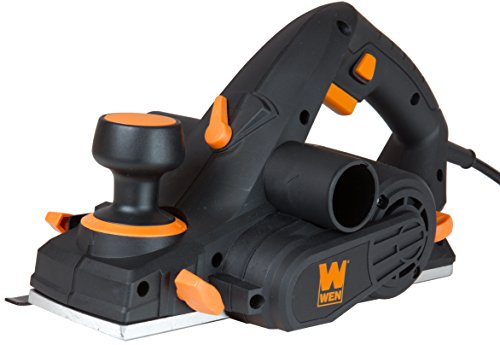
- 6 amp motor with up to 34,000 cuts per minute
- 16 depth stops from 0 to 1/8 inch
- Light 6-pound body with rabbet capability
Best For: Small hardwood trimming and portable hand-held planing
High-Power Shop Machine
13-Inch Benchtop Thickness Planer with 4 Blades

- 15 amp, 2000W all-copper motor
- Anti-snipe dual-blade system
- 13-inch width with dust port and extra blades
Best For: Dense hardwoods and frequent benchtop shop use
Compact Budget Hand Tool
WEN 6528 2-3/8-Inch Electric Hand Planer

- 3.8 amp motor with up to 32,000 cuts per minute
- 9 depth stops up to 1/16 inch
- Light 4.3-pound body with kickstand
Best For: Light-duty hardwood cleanup and small trimming jobs
Best for Easy Setup
VEVOR 13" Thickness Planer for Hardwood

- 13" width and 6" thickness capacity
- 35" table support helps long stock feed steadily
- 2000W motor with two-knife cutter head
Best For: wider hardwood boards and longer benchtop planing jobs
Portable Cleanup Pick
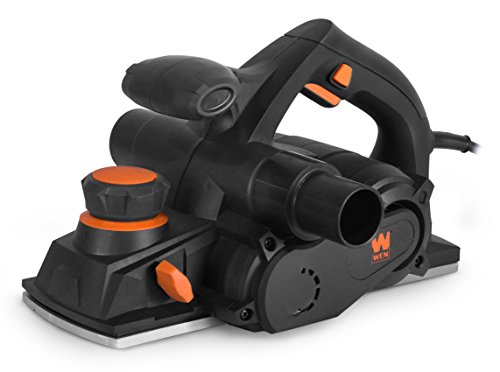
- 8-amp motor with up to 32,000 cuts per minute
- 4-3/8-inch capacity works on 2x4s and 4x4s
- 16 depth stops and reversible HSS blades
Best For: portable trimming and light surfacing on hardwood or framing lumber
Detail Work Pick
JORGENSEN NO.60-1/2 6-1/4" Hand Planer

- O1 tool steel blade can be sharpened and reused
- Ductile iron body is built for durable hand-tool use
- Adjustable depth and mouth improve control
Best For: precision hardwood trimming, polishing, and small woodworking corrections
Spiral Benchtop Power
WEN PL1326 13-Inch Spiral Thickness Planer
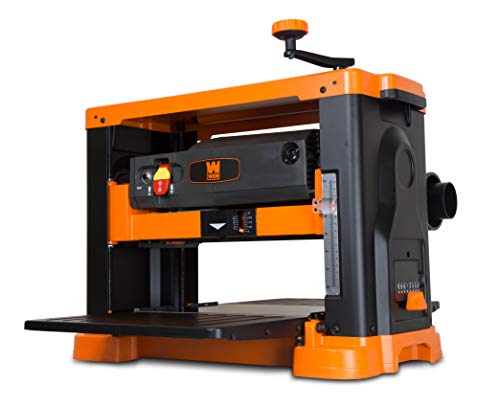
- 26-blade spiral cutterhead
- 15A motor, 10,000 RPM
- Up to 13 in. wide, 6 in. thick
Best For: Shop users needing smoother hardwood thickness planing
Cordless Trim Control
Cordless 3-1/4-Inch Hand Planer

- Brushless motor up to 15,000 RPM
- Fits DeWalt 20V MAX batteries
- 0 to 2mm depth adjustment
Best For: Portable hardwood trimming and edge smoothing
Compact Precision
JORGENSEN No.102 Low Angle Block Plane

- O1 tool steel blade
- Adjustable cutting depth
- Ductile iron body with flat bottom
Best For: Precise hardwood trimming and finishing
Heavy-Duty Benchtop Pick – DEWALT 13-Inch 3-Knife Thickness Planer
If you’re comparing wood planers for hardwood, this DEWALT thickness planer stands out for larger stock and heavier shop use. Its 15 amp motor, three-knife cutter head, and two-speed gearbox are built to help deliver cleaner passes on wide, dense boards while the fan-assisted chip ejection keeps the cut area moving.
Best For: Woodworkers who need a powerful benchtop thickness planer for wider hardwood boards and repeated shop use.
Pros:
- 15 amp, 20,000 RPM motor handles larger cuts with ease
- Three-knife cutter head is designed for longer knife life and easier changes
- Two feed speeds let you choose 96 or 179 CPI
- Automatic carriage lock helps reduce snipe without manual engagement
Cons:
- Benchtop planer is better suited to stationary shop setups than portable trim work
- Heavier-duty footprint may be more than casual users need
This is a strong choice when hardwood planing calls for capacity, consistency, and better chip management. The included infeed/outfeed tables and extra knives add value for users who want a more complete benchtop setup.
Lightweight Hand Trimmer – WEN 6530 3-1/4-Inch Electric Hand Planer
For smaller hardwood tasks, this WEN hand planer is a practical option when you need quick trim work rather than full board thicknessing. The 6 amp motor, 34,000 cuts per minute, and adjustable depth settings make it useful for light material removal and rabbets on compact projects.
Best For: DIY users and trim work where a lightweight electric hand planer is easier to control.
Pros:
- 6 amp motor delivers up to 34,000 cuts per minute
- 16 positive stops support depth control from 0 to 1/8 inch
- Can make rabbets up to 1 inch with the included guide
- Light 6-pound design is easy to maneuver
Cons:
- Narrow 3-1/4-inch width limits how much material it can cover at once
- Less suited to heavy hardwood stock removal than a benchtop thickness planer
This model fits better as a handheld helper than a full-size hardwood solution. If you need portability and simple adjustments for small tasks, it keeps the job straightforward.
High-Power Shop Machine – 13-Inch Benchtop Thickness Planer with 4 Blades
This benchtop option is aimed squarely at wood planers for hardwood when raw power and stability matter. Its 15 amp, 2000W all-copper motor is described as strong enough for dense woods like oak and walnut, while the dual-blade system and anti-snipe structure are intended to keep boards flat and smooth.
Best For: Woodworkers who want a rugged benchtop planer for dense hardwoods and steady production work.
Pros:
- 15 amp, 2000W all-copper motor is built for dense hardwoods
- 13-inch capacity handles boards from 1/4 to 6.3 inches high
- Anti-snipe dual-blade system supports consistent end-to-end results
- Integrated dust port and included extra blades add workshop convenience
Cons:
- Benchtop design is not ideal for on-site or highly portable use
- Industrial-style build may be more tool than occasional users need
For hardwood planing, this model emphasizes power, durability, and accuracy over portability. The overload protection and heavy frame make it a sensible pick for users who expect frequent, demanding passes.
Compact Budget Hand Tool – WEN 6528 2-3/8-Inch Electric Hand Planer
If you want a compact tool for light hardwood cleanup, this WEN hand planer keeps the footprint small and the setup simple. It offers a 3.8 amp motor, a lightweight body, and 9 positive depth stops, making it suitable for controlled passes where you only need modest material removal.
Best For: Light-duty trimming and quick surface cleanup on smaller hardwood projects.
Pros:
- 3.8 amp motor delivers up to 32,000 cuts per minute
- 9 positive stops help regulate depth up to 1/16 inch
- Very light 4.3-pound design is easy to handle
- Includes kickstand and onboard wrench storage
Cons:
- 2-3/8-inch cutting width is narrow for bigger boards
- Shallow maximum cut depth limits heavier stock removal
This is the most compact option in the group, so it makes sense when maneuverability matters more than speed or capacity. It’s a practical choice for small corrective work, but not for aggressive hardwood milling.
Best for Easy Setup – VEVOR 13" Thickness Planer for Hardwood
If you need wood planers for hardwood, this VEVOR thickness planer is built for larger stock and consistent material removal. Its 13-inch width, 6-inch thickness capacity, and 35 inches of total table support make it a practical choice for flattening boards and feeding longer lumber with better stability. The 15-amp, 2000W motor and two-knife cutter head are aimed at producing a smoother finish on both hard and soft wood.
Best For: Shop owners and serious DIYers planning wider hardwood boards and longer stock on a benchtop machine.
Pros:
- 13" widened worktable handles boards up to 6" thick and 13" wide
- 35" of total length with pull-out extensions for better stock support
- Two-knife cutter head is designed for smooth, consistent performance
- 2000W motor and 23,500 rpm speed help drive efficient planing
Cons:
- Benchtop design is less portable than a handheld planer
- Best suited to material removal, not fine hand-finishing control
- Requires dust collection setup for the chip ejection port to be most effective
This model stands out when your priority is capacity and steady feed support on hardwood jobs. The cast iron bed, steel plate support, and overload protection add to its appeal for regular shop use.
Portable Cleanup Pick – WEN 6534 4-3/8" Hand Planer
For quick adjustments on hardwood and common framing lumber, this WEN hand planer offers a portable way to trim and smooth surfaces. The 8-amp motor delivers up to 32,000 cuts per minute, while the 4-3/8-inch cutting capacity makes it a useful choice for planing 2x4s and 4x4s. It also includes depth stops, a rabbeting guide, and a two-way dust port for added convenience.
Best For: Woodworkers who want a handheld option for fast trimming, edge work, and light surfacing.
Pros:
- 8-amp motor reaches up to 32,000 cuts per minute
- 4-3/8-inch cutting capacity suits 2x4s and 4x4s
- 16 positive stops allow depth changes up to 1/8 inch
- Includes dust adapter, rabbeting guide, and reversible blades
Cons:
- Handheld format is better for spot work than large board flattening
- Limited cutting depth compared with a thickness planer
- Best results will depend on steady manual control
This is a practical pick when you need mobility more than capacity. It is a good fit for trimming and leveling smaller hardwood sections, especially when you want dust handling options and included accessories.
Detail Work Pick – JORGENSEN NO.60-1/2 6-1/4" Hand Planer
When the job calls for careful shaping rather than fast stock removal, this JORGENSEN hand plane is a solid fit for wood planers for hardwood detail work. Its O1 tool steel blade is designed for efficient cutting and can be sharpened and reused, while the ductile iron body adds rugged durability for regular use. The adjustable cutting depth and adjustable mouth make it easier to fine-tune results across different woodworking tasks.
Best For: Fine-tuning hardwood projects, trimming edges, and doing small hand-tool woodworking tasks.
Pros:
- O1 tool steel blade is made for efficient cutting and repeat sharpening
- Ductile iron body is built for heavy-duty use
- Adjustable cutting depth and adjustable mouth add control
- Flat bottom helps the plane run smoothly for detail work
Cons:
- Manual plane is slower than powered models for larger surfaces
- Better suited to trimming and polishing than heavy material removal
- Sharp blade requires careful handling during setup and use
This plane makes the most sense for precision work where feel and control matter more than speed. If your hardwood projects need refining, deburring, or small shape corrections, it offers the right kind of hands-on control.
Spiral Benchtop Power – WEN PL1326 13-Inch Spiral Thickness Planer
If you want wood planers for hardwood that can handle wider boards in a shop setting, this WEN benchtop thickness planer is built around a spiral cutterhead and a strong 15A motor. It planes boards up to 13 inches wide and 6 inches thick, with an onboard gauge to help you monitor each pass and control removal more confidently.
Best For: Woodworkers who need a benchtop thickness planer for smoother hardwood passes on wider stock.
Pros:
- Spiral cutterhead uses 26 staggered, rotatable HSS blades for a cleaner finish
- 15A motor runs at 10,000 RPM for consistent thickness planing
- Handles boards up to 13 inches wide and 6 inches thick
- Onboard material removal gauge helps track cutting depth per pass
Cons:
- Benchtop format is better for shop use than on-the-go trim work
- Made for thickness planing rather than detailed hand shaping
Overall, this is a practical choice if your priority is smoother material removal on hardwood boards and you want a machine that gives you clear control over each pass. The spiral head is the standout feature here for finish quality.
Cordless Trim Control – Cordless 3-1/4-Inch Hand Planer
For wood planers for hardwood that need portability, this cordless hand planer is designed for fast material removal with a brushless motor and up to 15,000 RPM. It works with DeWalt 20V MAX batteries you already own, so it’s aimed at trimming doors, smoothing boards, and general woodworking where cords would get in the way.
Best For: DIYers and pros who want a cordless planer for hardwood trimming and edge work.
Pros:
- Brushless motor delivers up to 15,000 RPM for efficient removal
- Compatible with DeWalt 20V MAX batteries for cordless convenience
- 3-1/4-inch cutting width covers more surface in each pass
- Depth adjustment knob offers cutting control from 0 to 2mm
Cons:
- Battery is not included
- Cutting depth is limited to 0.08 inches
- Best suited to trimming and smoothing rather than heavy stock removal
This is a flexible option if you need a planer that moves easily around the jobsite and can handle hardwood, softwood, doors, and boards. Its main advantage is convenience, especially if you already use the DeWalt 20V battery platform.
Compact Precision – JORGENSEN No.102 Low Angle Block Plane
If you’re comparing wood planers for hardwood and want a compact hand tool, this low-angle block plane is built for controlled, precise cuts. Its O1 tool steel blade is made to cut efficiently and be sharpened repeatedly, while the ductile iron body and flat bottom are aimed at stable, smooth operation during fine woodworking tasks.
Best For: Fine trimming, polishing, and deburring on hardwood projects where control matters most.
Pros:
- O1 tool steel blade is sharpened for efficient cutting and long service life
- Adjustable cutting depth for different planing tasks
- Ductile iron body is built for rugged use
- Flat bottom and low-angle design support smooth, accurate cuts
Cons:
- Manual tool requires more technique than powered planers
- Best for smaller, detailed tasks rather than large surfaces
- Sharp blade requires careful handling
For detailed woodworking, this block plane makes sense when you want exact control instead of fast stock removal. It’s a solid fit for finishing touches on hardwood, especially when accuracy and repeatable blade upkeep matter.
How We Picked These Wood Planers for Hardwood
We prioritized cutting performance, motor power, blade quality, feed control, and overall stability for hardwood use. We also considered whether each tool is better suited to rough dimensioning, edge cleanup, or fine hand-finishing. For dense species, consistency and smooth material removal matter more than raw speed alone.
Quick Comparison
Benchtop thickness planers are the best choice for flattening boards and bringing hardwood stock to a uniform thickness. Handheld planers are more useful for trimming doors, easing edges, and fixing minor high spots. Block planes and low-angle planes are best for detail work, final fitting, and surface refinement. If your projects involve wide boards or repeated milling, a heavier benchtop machine is usually the smartest long-term buy.
Key Buying Factors for Wood Planers for Hardwood
Motor Power and Cut Capacity
Hardwood demands more torque than softwood. Look for stronger motors, slower controlled feed options, and enough cutting width and depth to handle your most common stock. A machine that stalls easily will leave chatter marks and uneven results.
Blade System and Finish Quality
Knife count, blade sharpness, and cutterhead design affect how cleanly the planer slices hardwood fibers. Spiral or multi-knife cutterheads can help reduce tear-out and leave a smoother surface, especially on figured grain.
Stability and Infeed Support
Rigid tables, solid frames, and extended infeed/outfeed support help keep boards level as they pass through. This is especially important with longer hardwood pieces that can tip or snipe if the support is weak.
Dust Collection and Maintenance
Hardwood creates heavy chips and fine dust, so efficient chip removal is important for visibility and performance. Also consider blade changes, knife access, and overall upkeep if you plan to use the tool often.
Who Should Buy Which Wood Planers for Hardwood?
If you mill lumber regularly, choose a benchtop thickness planer with enough power for hardwood and a stable feed system. If you mostly trim, fit, or smooth installed work, a quality handheld planer is more practical. For final tuning, edge work, and careful hand control, a block plane or low-angle plane is the better fit. The right tool depends less on size and more on how often you work hardwood and how polished the final surface needs to be.