A picture frame depends on four small corner joints. The right adhesive helps those miters stay tight without leaving a distracting glue line on the finished frame.
For most bare-wood frames, a clampable wood glue is the practical choice. Clear-drying, instant, and acid-free options serve different needs, especially for repairs or archival framing.
Best 10 Wood Glue for Picture Frames Picks for 2026
Best for Indoor and Outdoor Projects

- Clear-drying PVA
- Waterproof for indoor or outdoor use
- 20–30-minute stated clamp time
Best For: Wood frames needing a clear, moisture-resistant bond
Best Gel Application

- Precision-tip gel application
- Clear-drying finish
- Listed as waterproof
Best For: Controlled application on indoor or outdoor frame repairs
Best for Quick Small Repairs
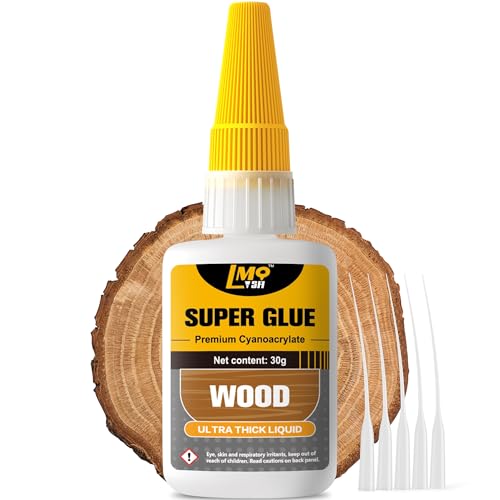
- Dries in a stated 30–60 seconds
- Includes precision micro-tips
- Bonds wood to several other materials
Best For: Small, precise frame repairs
Best for Archival Framing

- Made for wood frame assembly
- Acid-free and archival
- Dries clear and flexible
Best For: Indoor picture frames and archival-minded projects
Best for Small Indoor Projects
Titebond Original Wood Glue, 8 oz

- Strong initial tack and fast set
- Sands smoothly for finishing
- Not water resistant
Best For: Small indoor picture-frame projects
Best for Moisture-Prone Settings
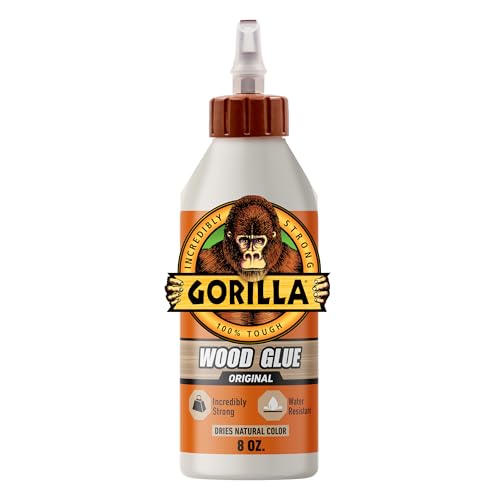
- Type II water resistance
- 20–30 minute clamp time
- Natural-color, sandable bond line
Best For: Frames that may encounter occasional moisture
Best for Multiple Indoor Frames
Titebond Original Wood Glue, 16 oz

- 16-ounce bottle for repeat projects
- Fast set and short clamp time
- 12-month stated shelf life
Best For: Building several indoor wood frames
Best for Water-Resistant Frames

- ANSI Type II water resistance
- Strong initial tack and fast set
- Sands smoothly after curing
Best For: Wood frames where moisture resistance matters
Best for Exterior Frames
Titebond III Ultimate Wood Glue

- Waterproof for interior or exterior use
- 8–10-minute open time
- 30-minute stated clamp time
Best For: Wood frames in moisture-prone locations
Best for Subtle Glue Lines
Titebond Translucent Wood Glue

- Dries translucent
- Fast-setting with a quick grab
- Sands easily and accepts finishes
Best For: Indoor frames with visible corner joints
Best for Indoor and Outdoor Projects – Boncart Clear Wood Glue
Boncart is a practical wood glue for picture frames when you want clear-drying PVA and the option to use it indoors or outdoors. Its precision nozzle and included brush help you apply glue along narrow frame joints.
Best For: Wood frame projects that need a clear finish and waterproof adhesive.
Pros:
- Dries clear to help keep glue lines unobtrusive.
- Waterproof formula is listed for indoor and outdoor use.
- Includes a precision nozzle and brush; stated clamp time is 20–30 minutes.
Cons:
- Requires up to 24 hours for a full cure.
- Medium-to-high viscosity may be less convenient for very fine gaps.
This is a versatile choice for wood frames, especially when moisture resistance matters. Plan to clamp the joint and allow the full curing time before handling the finished frame heavily.
Best Gel Application – Waterproof Clear Wood Glue
If you prefer a medium-to-high-viscosity gel, this wood glue for picture frames offers a precision-tip bottle for controlled application. It is described as drying clear and waterproof, with uses that explicitly include frames.
Best For: Frame repairs where controlled dispensing and indoor/outdoor versatility are priorities.
Pros:
- Gel form and precision tip support targeted application.
- Dries clear for less noticeable repairs.
- Waterproof formula is listed for interior and exterior projects.
Cons:
- No specific clamp or full-cure time is provided.
- The supplied details conflict on package volume and included components; verify the listing before buying.
This is worth considering for a tidy frame repair, but check the current package details if quantity or accessories will affect your purchase.
Best for Quick Small Repairs – Clear Instant CA Wood Glue
This cyanoacrylate option is a wood glue for picture frames when a small repair calls for fast initial drying and precise placement. Its included micro-tips can help reach tight spots, and the formula is listed for wood as well as materials such as glass, plastic, and metal.
Best For: Small frame fixes or joints involving wood and another listed material.
Pros:
- Stated drying time is 30–60 seconds.
- Precision micro-tips help control application in intricate areas.
- Dries clear and is described as waterproof.
Cons:
- Fast drying leaves little time to reposition pieces.
- Still requires up to 24 hours for a full cure.
Choose this for targeted fixes rather than assuming its quick dry time means an instantly cured joint. The supplied quantity details are inconsistent, so confirm the bottle size before ordering.
Best for Archival Framing – Lineco Frame PVA Adhesive
Lineco is a purpose-made wood glue for picture frames, with an acid-free, archival formulation intended for wood frame assembly and framing crafts. The PVA dries clear and is also listed for board and paper applications.
Best For: Indoor picture-frame assembly and archival-minded framing projects.
Pros:
- Formulated specifically for wood frame assembly.
- Acid-free, archival material that dries clear and flexible.
- Listed press times can be as short as 30 minutes.
Cons:
- Not water resistant, so it is a poor fit where frames may get wet.
- Listed full cure time is seven days.
For indoor framing, this is the most directly frame-focused option in the group. Its archival positioning is useful for art projects, but allow for the stated cure time and keep the finished joint dry.
Best for Small Indoor Projects – Titebond Original Wood Glue, 8 oz
If you need wood glue for picture frames made for indoor display, this 8-ounce bottle offers strong initial tack and a fast set for assembling small wood joints. Its translucent-drying bond line sands smoothly before finishing.
Best For: Indoor picture-frame assembly and small repairs where easy cleanup and a smooth finish matter.
Pros:
- Strong initial tack and short clamp time help keep assembly moving.
- Bonds stronger than wood when used as directed.
- Sands smoothly and is unaffected by most stains, paints, and finishes.
- Wet glue cleans up with water.
Cons:
- Not water resistant, so it is not suited to frames exposed to moisture.
- Requires 24 hours for a full cure.
This is a practical choice for a few indoor frames when you want a reliable bond without buying a larger bottle.
Best for Moisture-Prone Settings – Gorilla Wood Glue, 8 oz
For wood glue for picture frames that may face occasional moisture, Gorilla Wood Glue pairs ANSI/HPVA Type II water resistance with a natural-color bond line. It works with hardwoods, softwoods, and natural wood composites.
Best For: Wood frames intended for indoor or outdoor settings where water resistance is useful.
Pros:
- Passes ANSI/HPVA Type II water-resistance requirements.
- Needs just 20–30 minutes of clamp time.
- Dries a natural color without foaming and can be sanded or painted.
- Wet excess wipes away with a damp cloth.
Cons:
- Still needs 24 hours to fully cure.
- Dried excess requires scraping or sanding rather than a simple wipe.
Choose this one when moisture resistance matters more than using an interior-only glue, while still allowing a full day before putting the frame into service.
Best for Multiple Indoor Frames – Titebond Original Wood Glue, 16 oz
If you are building several frames, this 16-ounce Titebond Original offers more wood glue for picture frames in one bottle. The listed fast set, short clamp time, and excellent sandability suit repeat indoor assemblies.
Best For: Multiple indoor wood-frame projects that call for a larger bottle of finish-friendly glue.
Pros:
- 16-ounce size supplies more glue for a series of projects.
- Fast set and short clamp time help with repeated assembly.
- Bonds stronger than wood and sands well.
- Cleans up with water and is listed as unaffected by finishes.
Cons:
- Product notes identify it as an interior wood glue, so do not choose it solely for outdoor exposure.
- The stated shelf life is 12 months; a larger bottle may be unnecessary for one small frame.
This is the volume-minded pick for regular indoor frame making, provided you expect to use the larger bottle within its stated shelf life.
Best for Water-Resistant Frames – Titebond II Premium Wood Glue
If you need wood glue for picture frames that may face moisture, Titebond II offers an ANSI Type II water-resistant bond in an 8-ounce bottle. Its strong initial tack and fast set are useful when assembling wood frame joints.
Best For: Wood picture frames where water resistance and a quick initial grab matter.
Pros:
- ANSI Type II water resistance suits exterior applications.
- Strong initial tack and fast set help hold joints during assembly.
- Sands smoothly after curing.
Cons:
- Honey-cream color may be noticeable if excess glue is left at a visible joint.
- Allow for the stated 24-hour full cure.
This is a practical choice when moisture resistance outweighs the need for a nearly invisible glue line. Wipe away squeeze-out before finishing the frame.
Best for Exterior Frames – Titebond III Ultimate Wood Glue
Titebond III is a wood glue for picture frames that need a waterproof adhesive suitable for interior or exterior use. Its 8–10-minute open time gives you time to align joints before clamping.
Best For: Wood picture frames intended for exterior use or other moisture-prone locations.
Pros:
- Waterproof formula is suitable for interior and exterior use.
- 8–10-minute open time allows joint positioning.
- Strong initial tack, with a stated 30-minute clamp time.
- Cleans up with water while wet and sands easily.
Cons:
- Tan glue may show if squeeze-out remains on visible corners.
- The 16-ounce bottle may be more than a small, one-frame project needs.
Choose this one when water exposure is the deciding factor. Keep the joints clamped for the stated time, and clean up excess glue while it is still wet.
Best for Subtle Glue Lines – Titebond Translucent Wood Glue
Titebond Translucent Wood Glue, 8 Oz. – Lumber, Particleboard, Leather & Crafts, Fast-Setting – 6123
Check Price On AmazonFor indoor wood glue for picture frames, Titebond Translucent is worth considering when visible corner joints are a concern. It dries translucent for a virtually invisible glue line and comes in an 8-ounce bottle.
Best For: Indoor wood picture frames where a discreet glue line is a priority.
Pros:
- Dries translucent for a less visible joint.
- Fast-setting formula provides a quick grab.
- Sands easily and is compatible with stains, paints, and finishes.
- Cleans up with water while wet.
Cons:
- Not water resistant, so it is a poor fit for frames exposed to moisture.
- Requires a stated 24 hours to fully cure.
This is the appearance-focused option of the three. Use it for dry, indoor projects rather than choosing it for moisture protection.
How We Picked the Best Wood Glue for Picture Frames
We considered the adhesives in this roundup by type and likely framing use: conventional wood-glue PVA for new wooden miters, water-resistant formulas for frames exposed to changing humidity, translucent options for visible glue lines, instant CA glue for small repairs, and acid-free PVA for archival work. We also weighed bottle size and whether a formula needs clamping time. A product name alone cannot establish the strength of a finished corner: a close-fitting joint, clean wood surfaces, and proper clamping matter just as much.
Quick Comparison by Job
- New, unfinished wood frames: Titebond Original, including the 8- and 16-ounce bottles, is a straightforward starting point. Gorilla Wood Glue is another PVA option.
- Frames facing variable humidity: Consider Titebond II, Titebond III, or a clearly labeled water-resistant formula. Check the product’s directions for its actual moisture rating.
- Visible or pale-wood joints: Titebond Translucent and clear-drying options may make minor squeeze-out less noticeable, but careful cleanup still matters.
- Small, close-fitting repairs: Instant CA glue can be convenient when holding a clamp on the joint is difficult; it is less forgiving when you need time to align four corners.
- Archival or conservation-oriented work: Lineco Frame PVA is the acid-free option here. Confirm that any adhesive used near artwork suits your mounting method and materials.
Key Buying Factors for Wood Glue for Picture Frames
Joint Fit and Working Time
Most frame corners are miter joints with relatively small bonding surfaces. Dry-fit the pieces first: glue will not reliably compensate for a gap or a poorly cut angle. A conventional wood glue gives you time to position the corners before clamping; instant CA glue demands faster alignment. Follow the bottle’s instructions for open time, clamping, and full cure rather than treating “fast set” as permission to hang the frame immediately.
Finish, Appearance, and Cleanup
Glue bare wood before applying a finish when possible, since stain, paint, and sealers can interfere with the bond. Use a modest amount of adhesive, then remove squeeze-out according to the maker’s directions. Dried residue can show under stain even when a glue is described as clear-drying. If the frame is already finished, check whether the adhesive is recommended for the surfaces you are bonding.
Moisture and Archival Needs
Water resistance is useful for a bathroom or an area with fluctuating humidity, but it does not make a frame weatherproof. Acid-free labeling addresses a different concern: material compatibility in framing and display. Keep adhesive away from the artwork unless the framing method specifically calls for it.
Who Should Buy Which Wood Glue for Picture Frames?
Choose a standard PVA wood glue for a new indoor frame with well-cut, unfinished miters. Step up to a water-resistant formula if the display location warrants it. Pick a translucent formula when glue-line appearance is a priority, or an instant CA glue for a small repair you can align quickly. If long-term artwork preservation is the main concern, start with the acid-free option and check the requirements of the complete framing assembly.