Choosing a generator for laptops, televisions, medical devices, and other sensitive electronics requires more than checking peak wattage. Clean inverter power, stable voltage, low noise, and dependable safety features all matter.
These 10 models cover a wide range of needs, including camping, RV use, emergency backup, dual-fuel flexibility, and higher-output household power. Use the guide below to narrow your choices by runtime, portability, fuel type, and load requirements.
Best 10 Inverter Generators for Sensitive Electronics Picks for 2026
Best High-Capacity Backup
Westinghouse iGen12000DFc Dual-Fuel Inverter Generator

- Low THD of 3% or less for sensitive electronics
- 12,000 peak watts; 9,000 running watts on gasoline
- 50A outlet, remote start, and dual-fuel operation
Best For: Whole-home backup with gasoline or propane flexibility
Best Mid-Size Camping Option
PowerSmart 4000-Watt Inverter Generator

- THD below 3% for phones, tablets, and laptops
- 4,000 peak watts and 3,200 rated watts
- 59 dBA at 23 feet and up to 8 hours at 25% load
Best For: Camping and moderate home use with clean 120V power
Best Fuel-Flexible Backup
Westinghouse iGen12000TFc Tri-Fuel Inverter Generator

- Low THD of 3% or less for sensitive electronics
- Uses gasoline, propane, or natural gas
- 12,000 peak watts and transfer-switch-ready 50A outlet
Best For: High-capacity residential backup with multiple fuel choices
Best Lightweight Choice
WEN 56235i 2350-Watt Portable Inverter Generator
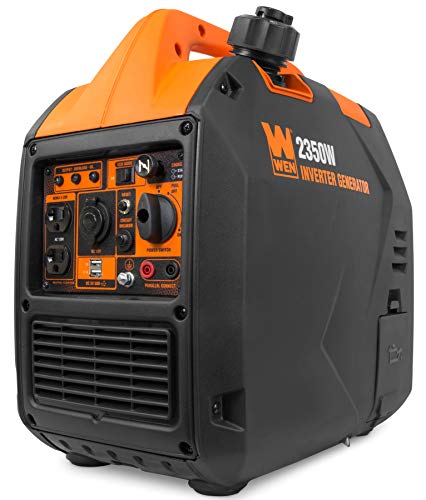
- Clean power for phones, tablets, TVs, and computers
- Only 39 pounds for easy transport and storage
- 1,900 rated watts with USB and 120V outlets
Best For: Portable camping power and light electronics charging
Best Dual-Fuel Pick
BILT HARD 4500W Inverter Generator
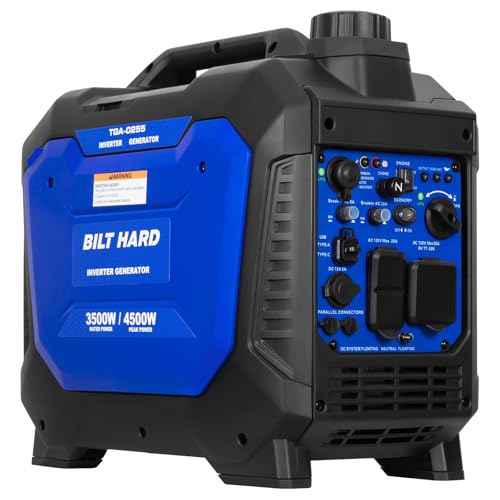
- Less than 3% THD for sensitive electronics
- Runs on gasoline or propane
- 58 dBA rating with ECO mode
Best For: Flexible RV, camping, and backup power
Best Feature-Rich Option
WEN 4800W RV-Ready Inverter Generator

- 4,000 rated watts and clean power
- Multiple outlets plus RV receptacle
- Fuel shutoff and CO shutdown sensor
Best For: RV owners needing versatile clean power
Best Lightweight Value
Oxseryn 4400W Inverter Generator
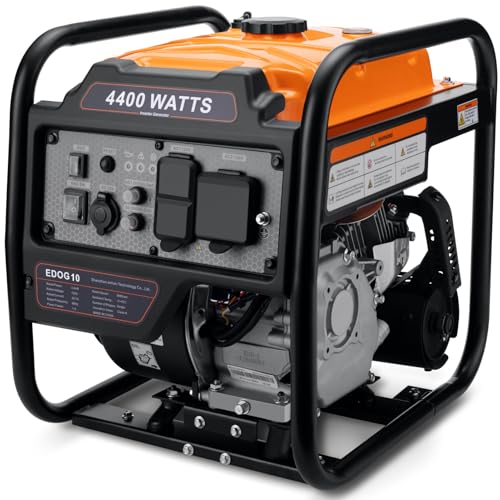
- 56-pound portable open-frame design
- Up to 14 hours at 25% load
- 3,400 running watts with RV outlet
Best For: Portable camping and emergency backup
Best Compact Dual-Fuel Pick

- Clean inverter power for sensitive electronics
- Gasoline and propane operation
- RV-ready with CO shutdown protection
Best For: Camping, RV use, and compact home backup
Best High-Output Home Backup

- Less than 3% THD for electronics
- Tri-fuel operation with 8,200 peak watts
- 50A outlet and up to 17-hour runtime
Best For: High-demand home backup and RV power
Best Quiet Gasoline Option

- Less than 3% THD for sensitive electronics
- As quiet as 52 dBA
- Up to 18 hours of runtime
Best For: Quiet RV and household backup power
Best High-Capacity Backup – Westinghouse iGen12000DFc Dual-Fuel Inverter Generator
For shoppers seeking inverter generators for sensitive electronics and whole-home backup, the Westinghouse iGen12000DFc combines low THD output with substantial capacity. Its dual-fuel design, 50A outlet, remote start, and transfer-switch-ready connections make it suited to demanding residential backup applications.
Best For: Whole-home backup users who want gasoline or propane flexibility and high output.
Pros:
- Produces up to 12,000 peak watts and 9,000 running watts on gasoline, with low THD of 3% or less.
- Supports gasoline and propane, with up to 19 hours of runtime at 25% load on gasoline.
- Includes a 50A outlet, remote electric start, digital data display, CO sensor, and parallel capability.
Cons:
- At 187.4 pounds, it is substantially less portable than smaller camping generators.
- Its high-capacity design is likely more than needed for basic electronics and light loads.
This is a strong choice when sensitive-electronics protection is only one part of the requirement and substantial home backup power is also important. The dual-fuel setup adds flexibility, while the low-THD inverter output supports electronics such as computers and other sensitive devices.
Best Mid-Size Camping Option – PowerSmart 4000-Watt Inverter Generator
The PowerSmart 4000-Watt is a practical pick among inverter generators for sensitive electronics when you need a balance of clean power, portability, and usable output. With THD below 3%, a 59 dBA noise rating at 25% load, and multiple charging connections, it fits camping and moderate home-use needs.
Best For: Campers and homeowners needing clean 120V power for electronics and smaller appliances.
Pros:
- Provides 4,000 peak watts and 3,200 rated watts with THD below 3%.
- Runs at up to 59 dBA at 23 feet and offers up to 8 hours of runtime at 25% load.
- Includes household, twist-lock, DC, and USB outlets, plus parallel capability.
Cons:
- The parallel kit is not included.
- It uses gasoline only, without the fuel flexibility of dual- or tri-fuel models.
Its clean output and compact 50.7-pound form make this generator easier to match to camping, backup charging, and everyday electronics than a large whole-home unit. The 3,200-watt rated output provides useful headroom while remaining more manageable to transport.
Best Fuel-Flexible Backup – Westinghouse iGen12000TFc Tri-Fuel Inverter Generator
The Westinghouse iGen12000TFc is designed for buyers who want inverter generators for sensitive electronics without being locked into one fuel source. Its low-THD output, tri-fuel capability, 50A outlet, and transfer-switch-ready connections support substantial home backup during outages.
Best For: Homeowners who want high-capacity backup with gasoline, propane, and natural-gas options.
Pros:
- Delivers up to 12,000 peak watts and 9,000 running watts on gasoline, with THD of 3% or less.
- Runs on gasoline, propane, or natural gas, offering broad fuel flexibility.
- Features remote start, a 50A outlet, digital monitoring, CO sensing, and parallel capability.
Cons:
- At 191 pounds, it is heavy for routine transport.
- Natural-gas output is lower at 9,800 peak watts and 7,200 running watts.
The tri-fuel capability is the main reason to choose this model over a simpler generator: it can use available household fuel options while still providing low-THD inverter power. It is best suited to planned residential backup rather than lightweight recreational use.
Best Lightweight Choice – WEN 56235i 2350-Watt Portable Inverter Generator
The WEN 56235i is a compact option for shoppers comparing inverter generators for sensitive electronics and prioritizing easy transport. It produces clean power for phones, tablets, televisions, and computers while weighing just 39 pounds.
Best For: Camping and light-duty electronics charging where portability matters most.
Pros:
- Supplies 2,350 surge watts and 1,900 rated watts of clean power for sensitive electronics.
- Weighs 39 pounds and operates at a noise level comparable to a normal conversation.
- Includes two 120V receptacles, a 12V DC receptacle, two USB ports, and a fuel-shutoff feature.
Cons:
- Its 1,900-watt rated output is lower than the other generators in this roundup.
- It uses gasoline only and is positioned primarily for camping rather than whole-home backup.
Choose the WEN when the ability to carry and store the generator easily outweighs the need for high wattage. Its clean output and USB connectivity make it well matched to personal electronics, while the fuel shutoff can help use remaining carburetor fuel before shutdown.
Best Dual-Fuel Pick – BILT HARD 4500W Inverter Generator
For shoppers comparing inverter generators for sensitive electronics, the BILT HARD TGA-0255 stands out with claimed power output below 3% THD. Its gasoline-and-propane flexibility, RV-ready outlet, and compact enclosed design make it practical for camping, backup power, and jobsite use.
Best For: Buyers who want dual-fuel flexibility, clean inverter power, and a portable generator for RVs, campsites, or home backup.
Pros:
- Dual-fuel operation produces up to 4,500 peak watts on gasoline and 4,150 peak watts on propane.
- Produces less than 3% THD and includes USB ports for charging smaller devices.
- Runs at a listed 58 dBA from 23 feet, with ECO mode to reduce fuel use and noise.
- Includes an integrated CO sensor, RV-ready TT-30R outlet, and parallel capability.
Cons:
- The parallel kit is not included.
- Gasoline running output is 3,500 watts, below its advertised peak rating.
- At 57.7 pounds, it may still be substantial for one-person lifting.
The BILT HARD offers a useful combination of clean output and fuel flexibility. It is a strong option when you want to power electronics while retaining the ability to switch between gasoline and propane.
Best Feature-Rich Option – WEN 4800W RV-Ready Inverter Generator
WEN Quiet and Lightweight 4800-Watt RV-Ready Portable Inverter Generator with Fuel Shut Off (56477i)
Check Price On AmazonThe WEN 56477i is designed for shoppers seeking inverter generators for sensitive electronics, with clean power intended to help protect smartphones, tablets, and laptops. It combines a 4,000-watt rated output with RV connectivity, multiple 120V outlets, and a fuel-shutoff feature.
Best For: RV owners and households that need clean power, several charging options, and convenient transport features.
Pros:
- Produces up to 4,800 surge watts and 4,000 rated watts.
- Includes four 120V receptacles, an RV TT-30R outlet, USB ports, and a 12V DC receptacle.
- Fuel shutoff uses remaining carburetor fuel before shutdown to support long-term storage.
- CO Shutdown Sensor automatically turns the unit off when dangerous CO levels are detected.
Cons:
- Its listed runtime is 7 hours, shorter than some comparable models.
- At 72.7 pounds, it is the heaviest generator in this group.
- It uses gasoline only, without propane flexibility.
With a strong rated output and extensive outlet selection, the WEN is well suited to RV use and broader backup needs. Its included three-year limited warranty also adds useful ownership support.
Best Lightweight Value – Oxseryn 4400W Inverter Generator
The Oxseryn EDOG10 is a lighter open-frame choice among inverter generators for sensitive electronics. It supplies 3,400 running watts, offers an ECO mode for longer low-load operation, and includes an RV outlet for camping or emergency home backup.
Best For: Campers and homeowners who prioritize lower weight, extended light-load runtime, and straightforward gasoline-powered backup.
Pros:
- Provides 4,400 peak watts and 3,400 running watts for RV and backup applications.
- Runs for up to 14 hours at 25% load with ECO mode, according to the supplied specifications.
- At 56 pounds, it is the lightest model in this comparison.
- Includes an RV port, fuel gauge, low-oil shutdown, and overload protection.
Cons:
- Its open-frame design is rated below 72 dBA at 23 feet, so it may be louder than enclosed models.
- It is gasoline-only and does not list a USB charging port.
- The warranty is listed as one year.
The Oxseryn is appealing when portability and low-load runtime matter more than the quieter operation of an enclosed generator. Its listed specifications make it a practical option for RV trips and emergency use with electronics.
Best Compact Dual-Fuel Pick – WEN DF360iX
For shoppers seeking inverter generators for sensitive electronics, the WEN DF360iX combines clean power with a compact, dual-fuel design. It delivers up to 3,600 surge watts on gasoline and includes RV-ready and USB outlets.
Best For: Camping, RV use, and residential backup when portability and fuel flexibility matter.
Pros:
- Produces clean power for smartphones, tablets, laptops, and other sensitive electronics.
- Runs on gasoline or propane, with up to 3,600 surge watts on gasoline.
- Includes CO Watchdog shutdown, fuel shut-off, RV outlet, and two USB ports.
Cons:
- Gasoline runtime is listed at about five hours.
- Its 2,600 rated watts on propane may limit heavier loads.
- At 49 pounds, it is portable but not an ultralight generator.
The DF360iX is a practical choice when clean inverter power, dual-fuel flexibility, and a relatively manageable size are more important than extended runtime or maximum output.
Best High-Output Home Backup – Westinghouse iGen8200TFc
The Westinghouse iGen8200TFc is a high-capacity option for buyers who need inverter generators for sensitive electronics and whole-home backup capability. Its tri-fuel design, low-noise operation, and less-than-3% THD output support a broad range of loads.
Best For: Home backup users who need substantial output, 50A transfer-switch readiness, and flexible fuel choices.
Pros:
- Provides less than 3% THD power for phones, computers, TVs, and other electronics.
- Runs on gasoline, propane, or natural gas, with up to 8,200 peak watts.
- Offers a 50A outlet, remote electric start, CO sensor, and up to 17 hours of runtime at 25% load.
Cons:
- At 134.5 pounds, it is substantially heavier than compact portable models.
- Its larger output and home-backup features may be more than casual campers need.
- It has three listed power outlets, fewer than some smaller units.
Choose the iGen8200TFc when sensitive-electronics protection is only part of the requirement and you also need serious backup capacity for appliances, an RV, or a transfer-switch setup.
Best Quiet Gasoline Option – Westinghouse iGen5000
The Westinghouse iGen5000 is a gasoline-powered inverter generator for sensitive electronics that emphasizes quiet operation and long runtime. It produces 3,900 rated watts with less than 3% THD and includes remote, electric, and recoil starting.
Best For: Travel trailers, home essentials, and users who prioritize low noise and extended gasoline runtime.
Pros:
- Delivers 5,000 peak watts and less than 3% THD for electronics.
- Runs as quietly as 52 dBA and can operate for up to 18 hours on a 3.4-gallon tank.
- Includes remote start, an RV-ready 30A outlet, USB outlets, and an economy mode.
Cons:
- It uses gasoline only, without propane or natural-gas flexibility.
- At 104.7 pounds, it is less convenient to move than compact models.
- Its 120V output is suited to listed household and RV loads rather than 240V applications.
The iGen5000 offers a strong balance of quiet performance, clean power, and long runtime for buyers who do not need dual- or tri-fuel operation.
How We Picked the Best Inverter Generators for Sensitive Electronics
We prioritized models that produce stable inverter power and offer practical features for modern electronics, including economy modes, low-noise operation, overload protection, CO monitoring, electric or remote starting, and RV or transfer-switch compatibility where applicable. We also considered output range, fuel flexibility, portability, and the types of use each generator supports.
Because generator specifications can vary by fuel and operating mode, always verify running watts—not just peak watts—before connecting equipment. Sensitive devices should also be protected with surge protection or an appropriate uninterruptible power supply when required by the manufacturer.
Quick Comparison
| Best For | What to Prioritize | Recommended Type |
|---|---|---|
| Camping and small electronics | Low noise, compact size, and fuel efficiency | 2,000–2,500-watt portable inverter |
| RV appliances | RV-ready outlet, adequate running watts, and parallel capability | 3,000–4,800-watt inverter |
| Home backup | Transfer-switch readiness, electric start, and longer runtime | 5,000-watt or larger model |
| Fuel flexibility | Dual- or tri-fuel operation and easy fuel switching | Propane-capable or tri-fuel generator |
Key Buying Factors for Inverter Generators for Sensitive Electronics
Clean, Stable Power
Inverter generators typically create electricity in stages, helping deliver more consistent voltage and frequency than conventional open-frame generators. Look for explicit inverter technology, overload protection, and a clearly stated total harmonic distortion specification when available.
Running Watts and Startup Demand
Add the running wattage of everything you expect to use, then account for startup surges from refrigerators, pumps, compressors, and power tools. Keep a reserve rather than operating continuously at the generator’s limit. A larger model is not automatically better if it is too noisy, heavy, or inefficient for your normal load.
Noise, Runtime, and Portability
For campsites, neighborhoods, and indoor-adjacent emergency setups, quiet operation is a major advantage. Compare rated noise levels, tank size, runtime at a stated load, wheel kits, handles, and overall weight. Eco modes can reduce fuel use and noise when loads are light.
Safety and Connection Options
CO sensors and automatic shutdown systems add an important layer of protection, but they do not replace outdoor operation and proper ventilation. For home circuits, choose a transfer-switch-ready model and have connections installed by a qualified professional. Never backfeed a household outlet.
Who Should Buy Which Inverter Generators for Sensitive Electronics?
- Campers and occasional users: Choose a lightweight 2,000–2,500-watt inverter for phones, laptops, lights, and small appliances.
- RV owners: Focus on an RV-ready model in the 3,000–4,800-watt range, especially if you need to run air conditioning or want parallel capability.
- Home backup shoppers: Consider a 5,000-watt or larger model with remote or electric start, wheels, and transfer-switch readiness.
- Preparedness-focused buyers: Dual-fuel and tri-fuel generators provide more ways to keep essential electronics operating when gasoline is scarce.
Before buying, confirm outlet types, fuel availability, storage requirements, warranty coverage, and the manufacturer’s instructions for connecting sensitive equipment. The best choice is the smallest generator that safely covers your real running and startup loads.