Neat, consistent wire can make jewelry, electrical, model-making, and craft projects easier to assemble and more professional-looking. The best wire straighteners for home studios help remove bends and kinks without requiring bulky workshop equipment.
We compared compact nylon, stainless-steel, and bearing-based designs for handling different wire types and project demands. Use the guide below to match a straightener to your workspace, materials, and level of precision.
Best 10 Wire Straighteners for Home Studios Picks for 2026
Classic Nylon Pick
Compact 3-Roller Wire Straightener
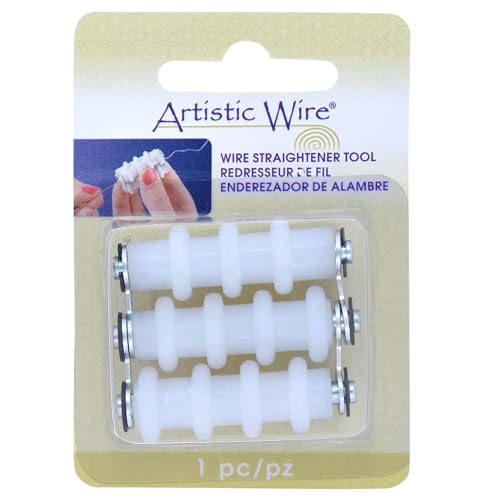
- Gentle nylon rollers help protect wire
- Handles many wire materials and gauges
- Lightweight tool for jewelry and craft studios
Best For: Jewelry makers and crafters needing gentle wire preparation
Heavy-Duty Cable Choice
3-Roller Stainless Steel Straightener

- Polished rollers help protect insulation
- Reinforced metal frame for repeated use
- Non-slip handle suits electrical wiring tasks
Best For: Home electricians and insulated cable projects
Jewelry Studio Upgrade

- Five bearings support one-pull straightening
- Flip-top design simplifies wire loading
- Compact corrosion-resistant metal construction
Best For: Jewelry wrapping and portable DIY craft work
Adjustable Workshop Pick
Stainless Steel Wire Straightener

- Smooth rollers guide wire through efficiently
- Stainless steel body suits regular workshop use
- Non-slip handle supports controlled pulling
Best For: Home workshops and electrical maintenance projects
Best Overall Wire Straightener
Copper and Aluminum Handle Tool

- Three-bearing design removes bends and kinks
- Soft grip supports repeated one-handed use
- Suitable for copper and aluminum wire
Best For: Mixed jewelry-making and electrical wiring tasks
Best for DIY Crafts
Nylon Wire Straightener Wrap Tool

- Made for jewelry and wire-wrapped projects
- Suitable for decorations and cartoon models
- Designed for beginners and experienced crafters
Best For: Craft-focused home studios and DIY projects
Best Jewelry Tool
Muloo Three-Roller Wire Straightener

- Three rollers help remove bends before wrapping
- Handles metal, copper, silver, and gold-coated wires
- Compact format fits a jewelry-making workspace
Best For: Preparing jewelry wire for wrapping and crafts
Versatile Manual Pick

- Handles copper and aluminum wire
- Simple manual operation
- Compact, durable construction
Best For: Home electrical and DIY studios
Networking Specialist
Category 5/6 Cable Untwist Tool

- Prepares Category 5/6 cable pairs
- Roller assists untwisting and alignment
- Ergonomic compact grip
Best For: Home networking and cable-maintenance studios
Craft Precision Pick
Nylon Jewelry Wire Straightener

- Removes bends and curls from craft wire
- Plastic roller helps protect surfaces
- Compact design for jewelry benches
Best For: Jewelry and wire-wrapping studios
Classic Nylon Pick – Compact 3-Roller Wire Straightener
For home studios seeking wire straighteners for home studios, this compact nylon tool is a straightforward choice for removing kinks before jewelry making, wire wrapping, or crafts. Its three-roller design works with a broad range of wire materials and gauges.
Best For: Jewelry makers and crafters who need a gentle, portable tool for preparing wire.
Pros:
- Nylon rollers help protect wire from chipping.
- Works with aluminum, copper, floral, sculpting, sterling-filled, and gold wire.
- Compact 1.12-ounce design is easy to keep in a studio toolkit.
Cons:
- Manual pulling is required for each length of wire.
- No warranty is listed.
This is a practical, low-complexity option when material protection matters more than reinforced metal construction. It is especially well suited to jewelry-focused home studios.
Heavy-Duty Cable Choice – 3-Roller Stainless Steel Straightener
Among wire straighteners for home studios, this handheld cable tool stands out for its polished stainless steel rollers and reinforced metal frame. It is designed for standard electrical wires and cable organization rather than delicate jewelry wire.
Best For: Home electricians, wiring projects, and studio work involving insulated electrical cable.
Pros:
- Polished rollers are designed to straighten without scratching cable insulation.
- Reinforced metal body supports repeated use.
- Textured non-slip handle provides a secure grip.
- Compact 8-ounce form is portable for job sites or workshops.
Cons:
- More specialized for electrical wires than jewelry-making wire.
- Larger and heavier than a small nylon craft tool.
This is the better fit for users who need a sturdier cable-handling tool in a home workshop. Its insulation-friendly roller design adds confidence when working with electrical wiring.
Jewelry Studio Upgrade – Five-Bearing Flip-Top Tool
This five-bearing model is a compelling option among wire straighteners for home studios focused on jewelry making and DIY wire wrapping. Its flip-top design lets you open the tool, insert the wire, close it, and pull through in one motion.
Best For: Jewelry crafters who want a compact tool for quickly straightening bent wrapping wire.
Pros:
- Five rotating metal bearings are designed for one-pull straightening.
- Flip-top loading makes insertion quick and simple.
- Compact 8-centimeter size fits easily in a pocket or toolkit.
- Corrosion-resistant metal construction is intended for long-term use.
Cons:
- The supplied details do not specify supported wire gauges.
- Its compact size may be less comfortable for extended heavy-cable work.
With its bearing-based layout and portable form, this tool prioritizes speed and convenience for jewelry workflows. It is a strong match for makers who regularly remove bends and kinks from wrapping wire.
Adjustable Workshop Pick – Stainless Steel Wire Straightener
For wire straighteners for home studios that also need to handle electrical or engineering tasks, this adjustable stainless steel tool offers a practical middle ground. Its smooth roller system guides wire through while the ergonomic handle supports controlled pulling.
Best For: Home workshops, electrical maintenance, construction tasks, and mobile engineering projects.
Pros:
- Smooth roller system helps straighten wire efficiently.
- Stainless steel construction is designed for regular wear and tear.
- Textured non-slip handle can reduce slipping and hand fatigue.
- Lightweight, portable design fits conveniently in a toolbox.
Cons:
- Supplied notes do not identify specific wire gauges or materials.
- Its approximately 20-by-13-centimeter size is less compact than jewelry-specific tools.
This model makes the most sense when a home studio overlaps with electrical maintenance or general engineering work. Choose it for its durable construction and comfortable handling rather than jewelry-specific features.
Best Overall Wire Straightener – Copper and Aluminum Handle Tool
For home studios working with electrical or craft wire, this handled straightener offers a simple way to remove bends and kinks. Its three-bearing design is intended for copper and aluminum wire, while the soft grip supports repeated one-handed use.
Best For: Jewelry makers and home-studio users who want a comfortable tool for straightening copper or aluminum wire and organizing terminal connections.
Pros:
- Three precision bearings help smooth bent and kinked wire.
- Works with copper and aluminum wires across various gauges.
- Silicone-covered handle and lightweight 0.22-pound construction reduce hand fatigue.
- Hardened steel rollers are designed for frequent use.
Cons:
- The notes do not specify the supported wire-gauge range.
- Its electrical-box organization features may be more than craft-only users need.
This is the most versatile choice of the three for users who want a gripped tool that can move between jewelry projects and electrical wiring tasks.
Best for DIY Crafts – Nylon Wire Straightener Wrap Tool
This compact wire straightener is aimed at DIY users who need a straightforward tool for wire-wrapped jewelry and creative projects. Its simple, easy-to-use design suits home studios making decorations, cartoon models, and other craft pieces.
Best For: Beginners and DIY crafters making jewelry, home decorations, or cartoon models.
Pros:
- Designed for various DIY crafts and wire-wound jewelry.
- Positioned as easy to use for both beginners and experienced crafters.
- Stainless-steel construction is paired with a lightweight, simple tool format.
Cons:
- The supplied notes do not describe the straightening mechanism or supported wire gauges.
- Its white finish may show workshop residue more readily.
This is a focused option for craft-centered home studios, particularly if you value an uncomplicated wire-wrap accessory over an electrical-wiring tool.
Best Jewelry Tool – Muloo Three-Roller Wire Straightener
Home studios looking for wire straighteners for home studios may appreciate this dedicated three-roller jewelry tool. You place the wire between the rollers and pull it through to remove bends before wrapping, making it a purpose-built addition to a jewelry-making bench.
Best For: Jewelry makers preparing metal, copper, silver, or gold-coated wire for wrapping and crafts.
Pros:
- Three-roller layout is designed to straighten wire efficiently.
- Works with metal, copper, silver, and gold-coated wires.
- Offers an alternative to flat pliers that can save effort during preparation.
- Compact package dimensions suit a small craft workspace.
Cons:
- The supplied details do not list specific wire-gauge limits.
- It has no described handle or soft-grip feature.
With its dedicated three-roller arrangement and jewelry-focused use case, this is a practical pick for makers who regularly prepare wire before wrapping or crafting.
Versatile Manual Pick – Glass Steel Wire Straightener
For home studios that handle electrical, mechanical, or general DIY work, this manual tool offers a straightforward way to align and straighten copper and aluminum wire. Its compact design is intended for controlled, repeatable work without requiring a powered setup.
Best For: Home studios, electricians, and DIY users working with copper or aluminum wire, terminals, and tubing.
Pros:
- Works with both copper and aluminum wires.
- Manual operation is simple for beginners and experienced users.
- Glass-steel construction is designed for frequent use.
- Compact 7.87-inch length is practical for a home toolkit.
Cons:
- It is a manual tool, so repeated straightening requires hand effort.
- The supplied details do not specify a wire-size range.
This is the broadest-use option of the three for studios that need more than craft work. Choose it when compatibility with copper and aluminum wire and terminal-focused alignment matter more than specialized jewelry or networking features.
Networking Specialist – Category 5/6 Cable Untwist Tool
If your home studio includes networking installations or cable maintenance, this tool is designed specifically for preparing Category 5/6 cable pairs. Its built-in roller helps untwist and align conductors, while the ergonomic grip supports more comfortable repeated use.
Best For: Home studios handling Category 5/6 cable installation, repairs, upgrades, and maintenance.
Pros:
- Built-in roller helps untwist and align network cable pairs.
- Twist-and-press operation is approachable for beginners.
- Ergonomic rubber grip can reduce hand fatigue.
- Compact ABS-and-metal build fits easily in a toolkit.
Cons:
- Designed for 1.3 mm Category 5/6 cable, limiting general wire use.
- Its networking focus makes it less suitable for jewelry or electrical-terminal work.
This is the clearest choice for cable-focused work rather than general wire straightening. The specified 1.3 mm compatibility and networking functions make it especially useful when neat pair preparation is the main task.
Craft Precision Pick – Nylon Jewelry Wire Straightener
For jewelry benches and craft-focused home studios, this compact roller tool is built to remove bends, curls, and kinks from small wires. The plastic center roller is intended to help protect wire and jewelry surfaces while you pull material through.
Best For: Jewelry making, wire wrapping, floral crafts, and other detailed DIY projects using craft or decorative wire.
Pros:
- Works with aluminum, copper, silver, gold, floral, and craft wire.
- Plastic roller is designed not to scratch or damage wire and jewelry.
- Simple pull-through operation helps remove bends and curls.
- Very compact at 1.75 by 1.5 inches.
Cons:
- Its small size is better suited to craft wire than larger electrical conductors.
- Only one tool is included in the package.
This is the most specialized option for precision craft work. Its small footprint and broad stated material compatibility make it a practical addition to a jewelry or wire-wrapping station, especially where surface protection is important.
How We Picked the Best Wire Straighteners for Home Studios
We focused on the features that matter most in a compact studio tool: roller material, adjustment range, handling comfort, portability, and suitability for common wirework. Three-roller designs are useful for general straightening, while models with bearings or additional rollers may offer smoother pulling and more consistent results.
We also considered whether each tool appears better suited to delicate jewelry wire, craft materials, electrical conductors, or network cable. Product descriptions vary widely, so check the manufacturer’s stated wire compatibility before ordering.
Quick Comparison
| Best For | Look For | Typical Advantage |
|---|---|---|
| Jewelry and wire wrapping | Nylon rollers and fine adjustment | Gentler contact with softer wire |
| Electrical projects | Metal rollers and a sturdy handle | Better control with tougher conductors |
| Frequent studio use | Multiple bearings or rollers | Smoother, more repeatable pulls |
| DIY and occasional repairs | Adjustable compact construction | Flexible use without a large tool investment |
| Network cable preparation | Cable-specific guide or untwist design | Helps manage bundled conductors |
Key Buying Factors for Wire Straighteners for Home Studios
Roller Material
Nylon is usually a sensible choice for jewelry, coated wire, and decorative projects because it is less likely to mark the surface. Stainless steel or other metal rollers can provide greater durability for electrical work, but they require careful adjustment to avoid scoring softer materials.
Adjustment and Wire Range
An adjustable tool is more versatile, especially if you work with several gauges. Confirm the supported diameter range rather than assuming one tool will handle everything. A tool that is too loose may not remove bends effectively; one that is too tight can flatten or damage wire.
Roller Count and Smoothness
Three rollers are common and compact. Five-bearing or multi-roller designs may distribute pressure more evenly and reduce friction during longer pulls. For occasional use, a simpler tool may offer better value and easier storage.
Ergonomics and Workspace Fit
Look for a comfortable handle, a secure grip, and a design that can be operated with one hand when appropriate. Small, manual tools are convenient for home studios, but a stable frame matters if you regularly straighten longer lengths.
Who Should Buy Which Wire Straighteners for Home Studios?
Choose a nylon three-roller tool for jewelry making, wire wrapping, and general crafts where surface protection is a priority. Choose a metal or stainless-steel roller model for electrical work and heavier wire, provided its size range matches your materials. Choose a bearing-based design if you straighten wire frequently and want smoother, more consistent operation. Choose an adjustable general-purpose model for mixed DIY tasks, while a cable-specific straightener makes more sense for Category 5/6 network cable. Always wear appropriate eye protection and inspect wire for damage before use.