Working with wire in a cramped bench area, toolbox, or electrical box calls for a tool that offers control without taking over your workspace. The best wire straighteners for small spaces are compact, easy to handle, and suited to the wire sizes you use most.
We selected 10 manual and handheld options for electricians, jewelry makers, DIYers, and wire-wrapping projects. Use the guide below to compare designs and choose the right balance of precision, portability, and durability.
Best 10 Wire Straighteners for Small Spaces Picks for 2026
Best Compact Jewelry Pick
Nylon Roller Wire Straightener

- 1.75-by-1.5-inch compact design
- Nylon roller helps prevent scratches
- Suitable for jewelry and craft wires
Best For: Small-space jewelry and DIY craft work
Best for Electrical Cabinets

- Three polished stainless steel rollers
- Non-slip handle for controlled use
- Built for standard electrical wires
Best For: Electrical cabinets, wiring, and maintenance
Best Simple Craft Option

- Compact single-tool setup
- Stainless steel construction
- Made for jewelry and DIY crafts
Best For: Minimalist craft and jewelry workspaces
Best Portable Electrician Tool

- Lightweight 3.52-ounce design
- Smooth roller system for bent wires
- Non-slip handle and stainless steel body
Best For: Portable electrical installation and maintenance
Compact Jobsite Pick
Professional Manual Stainless Steel Wire Straightener

- Three stainless steel rollers
- 7.87-inch portable design
- Non-slip ergonomic grip
Best For: Electricians and DIYers working in confined wiring areas
Detail Work Choice
Multi-Roller Wire Straightener for Electricians
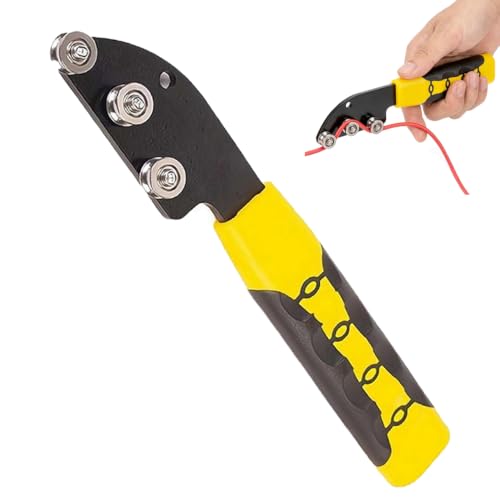
- Handles copper and aluminum wire
- 7.9-inch, 7.2-ounce format
- Rubber non-slip grip
Best For: Terminal preparation and electrical box alignment
Simple Alignment Pick
Stainless Steel Cable Straightener Tool

- Multi-roller wire guidance
- Stainless steel construction
- Portable handheld format
Best For: General electrical, maintenance, and DIY alignment tasks
Compact Manual Pick

- Handles copper and aluminum wire
- Compact 7.87-inch manual design
- Useful for terminals and tubing alignment
Best For: DIY and electrical alignment tasks in tight work areas
Portable Roller Choice
Stainless Steel Wire Straightener

- Three-roller design for smooth handling
- 7.87-inch profile fits tool storage
- Non-slip grip supports controlled use
Best For: Portable electrical wire routing in tight spaces
Jobsite Ready Option
Professional Cable Alignment Tool

- Compact 20 cm portable format
- Three rollers aid repetitive wire handling
- Designed for electrical, HVAC, and telecom work
Best For: Mobile professionals working in confined installations
Best Compact Jewelry Pick – Nylon Roller Wire Straightener
For shoppers comparing wire straighteners for small spaces, this jewelry-focused roller tool is a compact option for craft benches, drawers, and portable kits. Its 1.75-by-1.5-inch body is designed to remove bends, twists, and curls from craft wire without scratching it.
Best For: Jewelry making, wire wrapping, floral wire, and small DIY craft projects.
Pros:
- Very compact and lightweight at about 27.22 grams.
- Nylon roller helps protect wire and jewelry surfaces.
- Works with aluminum, copper, silver, floral, and other listed wire types.
- Stainless steel body is described as sturdy and rust-resistant.
Cons:
- Its small format is intended more for craft wire than larger electrical cables.
- Only one tool is included.
This is a practical space-saving choice when precision craft work matters more than handling larger-gauge wiring. The simple pull-through design also suits beginners.
Best for Electrical Cabinets – 3-Roller Cable Straightener
This handheld model is a strong candidate among wire straighteners for small spaces when you need to organize electrical wiring in cabinets or during maintenance. Three polished stainless steel rollers guide cable through the tool while the compact body remains easy to carry between work areas.
Best For: Electricians handling standard wires, cabinet assembly, home wiring, and electrical maintenance.
Pros:
- Three smooth rollers are designed to straighten without damaging insulation.
- Non-slip textured handle supports controlled pulling.
- Reinforced metal frame is intended for repeated daily use.
- 7.87-inch length and 8-ounce weight make it portable.
Cons:
- Longer than compact jewelry-focused straighteners.
- Designed for standard electrical wires rather than specialized craft applications.
Choose this tool if your limited workspace is an electrical cabinet, toolbox, or service vehicle. Its roller arrangement and insulated-cable focus make it more suitable for electrical work than craft projects.
Best Simple Craft Option – Stainless Steel Wrap Tool
If you need wire straighteners for small spaces and want a straightforward craft tool, this stainless steel wire straightener keeps the setup simple. It is intended for jewelry making and other DIY work, including home decorations and cartoon models.
Best For: Beginners and experienced crafters working on jewelry, wire-wrapped pieces, and decorative models.
Pros:
- Single compact tool is easy to add to a small craft collection.
- Stainless steel construction is listed in the product details.
- Designed for easy, efficient wire straightening.
- Suitable for jewelry-making and varied DIY craft projects.
Cons:
- The supplied details do not provide exact dimensions or weight.
- Its stated applications focus on crafts rather than electrical cable work.
This is a sensible minimalist pick when storage space is tight and your projects are primarily decorative or jewelry-related. Buyers needing precise size information may want to verify the listing before ordering.
Best Portable Electrician Tool – Adjustable Wire Straightener
For electricians seeking wire straighteners for small spaces, this adjustable roller tool combines a portable footprint with a non-slip handle. Its approximately 20-by-13-centimeter size is intended to fit conveniently in a toolbox while helping guide bent wire out straight.
Best For: Construction, electrical maintenance, engineering projects, and remote jobsites.
Pros:
- Compact, lightweight design weighs about 3.52 ounces.
- Smooth roller system helps wires pass through with less effort.
- Ergonomic yellow handle supports grip and control.
- Stainless steel construction is designed for regular jobsite use.
Cons:
- Its listed dimensions are larger than pocket-sized jewelry tools.
- The supplied notes do not specify the wire-size range.
This model fits users who need a dedicated electrical tool that can travel from a toolbox to a jobsite without taking up much room. Its practical design favors installation and maintenance tasks over fine craft work.
Compact Jobsite Pick – Professional Manual Stainless Steel Wire Straightener
For electricians looking for wire straighteners for small spaces, this compact manual tool is designed to correct bent copper and aluminum wire in junction boxes, wall cavities, and other confined work areas. Its 7.87-inch length fits conveniently in a tool pouch or backpack.
Best For: Electricians and DIYers handling residential, commercial, HVAC, telecom, or solar wiring where portability and controlled manual alignment matter.
Pros:
- Three stainless steel rollers provide smooth straightening action.
- Compact 7.87-inch design is easy to carry in a tool belt pouch or backpack.
- Stainless steel construction resists rust, impact, and daily wear.
- Non-slip ergonomic handle supports control with gloved or sweaty hands.
Cons:
- Manual operation may require repeated hand passes for longer wire runs.
- No manufacturer warranty is listed.
This is a practical space-saving choice when you need a durable, portable wire straightener for detailed work in tight boxes, cavities, or overhead areas.
Detail Work Choice – Multi-Roller Wire Straightener for Electricians
This handheld option suits shoppers comparing wire straighteners for small spaces and needing direct control without a power setup. Its 7.9-inch alloy-steel body and rubber grip support wire alignment, terminal preparation, and box-entry adjustments in compact work areas.
Best For: Electricians and installers preparing copper or aluminum wire for terminals, parallel routing, wrapping, and electrical box entry.
Pros:
- Supports copper and aluminum wire straightening.
- Multi-roller design helps guide repeat passes and steady feed.
- Compact 7.9-inch length and 7.2-ounce weight make it easy to carry.
- Non-slip rubber grip provides direct hand control.
Cons:
- Manual operation does not provide powered assistance.
- The notes do not specify a manufacturer warranty.
With its focused terminal and box-entry uses, this is a versatile small-space tool for users who want one portable straightener for alignment, routing, and wire-wrapping tasks.
Simple Alignment Pick – Stainless Steel Cable Straightener Tool
For compact repairs and installation tasks, this stainless steel tool is a straightforward choice among wire straighteners for small spaces. Its handheld multi-roller design guides bent or coiled wire through the tool and is easy to carry between workshop, maintenance, and field jobs.
Best For: DIY users, technicians, installers, and electricians who need portable wire, cable, or compatible tubing alignment.
Pros:
- Multi-roller design helps reduce bends and twists.
- Stainless steel construction is suited to repeated use.
- Compact handheld format is convenient for transport and storage.
- Can also help with compatible tubing and wire organization.
Cons:
- Handle material and detailed dimensions are not specified.
- No manufacturer warranty is listed.
This model emphasizes simple, portable alignment rather than specialized features, making it a sensible fit for small repair kits and general wire-preparation work.
Compact Manual Pick – Glass Steel Wire Straightener
For shoppers comparing wire straighteners for small spaces, this compact manual model offers a straightforward way to align copper and aluminum wire. Its 7.87-inch length and lightweight 8.8-ounce construction make it practical for toolboxes and bench work where storage space is limited.
Best For: DIY users and electricians handling copper or aluminum wire wrapping, terminal alignment, and parallel tubing tasks.
Pros:
- Works with both copper and aluminum wire.
- Manual operation requires no powered equipment.
- Compact dimensions suit smaller work areas and storage spaces.
- Glass steel construction is designed for repeated use.
Cons:
- Manual operation may require more effort than a powered tool.
- The notes do not specify supported wire gauges.
This is a practical, space-conscious option when you want a simple tool for routine wire straightening and alignment rather than a larger dedicated setup.
Portable Roller Choice – Stainless Steel Wire Straightener
This stainless steel tool is a strong contender among wire straighteners for small spaces, combining a 7.87-inch profile with a pocket-, tool-belt-, and toolbox-friendly design. Its three-roller system is intended to smooth bent or coiled electrical wire during routing work.
Best For: Electricians and DIY users routing cable through junction boxes, walls, conduit, garages, attics, or compact network installations.
Pros:
- Three stainless steel rollers support smooth wire straightening.
- Compact, lightweight design is easy to carry.
- Non-slip contoured handle is designed for control.
- Stainless steel components resist rust and wear.
Cons:
- It is hand-powered, so extended jobs still require manual effort.
- The supplied details do not identify compatible wire sizes.
Choose this model if portability and smoother handling are priorities. The roller arrangement and ergonomic grip make it particularly suitable for repeated routing tasks in confined work areas.
Jobsite Ready Option – Professional Cable Alignment Tool
For compact work areas and mobile repair kits, this professional-style stainless steel straightener provides a streamlined way to manage bent electrical wire. Its 20 cm length fits standard tool belts, deep pockets, and utility boxes while the three-roller design supports repetitive routing tasks.
Best For: Electricians, HVAC and telecom workers, and DIY homeowners working on electrical boxes, wall cavities, attic runs, and other confined installations.
Pros:
- Three stainless steel rollers support consistent wire handling.
- 20 cm length is convenient for portable jobsite use.
- Stainless steel construction is designed to resist wear and environmental degradation.
- Contoured non-slip grip improves handling stability.
Cons:
- Manual operation may be less convenient for very long runs.
- The notes do not specify wire-gauge compatibility.
This model makes sense for users who need a compact alignment accessory that can move between jobs. Its portable format and roller-based handling are well suited to space-limited electrical and communications work.
How We Picked the Best Wire Straighteners for Small Spaces
We focused on tools that are practical when bench space, storage, or access is limited. Selection criteria included overall footprint, manual control, roller or guide design, adjustability, construction materials, and the range of tasks each tool appears suited to handle. Stainless steel components can be useful for frequent electrical or workshop use, while nylon guides may be preferable for delicate wire and craft projects because they can reduce marking.
We also considered portability and setup. A compact straightener should be easy to hold, store, and position near a project without requiring a large clamp, powered machine, or dedicated work area. Because wire gauges and applications vary, always confirm the seller’s stated compatibility before ordering.
Quick Comparison
| Best For | Features to Prioritize | Why It Matters in a Small Space |
|---|---|---|
| Electrical work | Stainless steel rollers, firm adjustment, sturdy grip | Supports controlled alignment near boxes and terminals |
| Jewelry and wrapping | Nylon rollers, smooth surfaces, fine control | Helps protect softer or finished wire |
| General DIY | Adjustable guides, simple manual operation | One tool can handle varied occasional tasks |
| Portable tool kits | Compact body and low weight | Stores easily in a drawer, pouch, or toolbox |
Key Buying Factors for Wire Straighteners for Small Spaces
Size and Access
Check the tool’s dimensions and operating clearance, not just its length. A narrow handheld design is easier to use inside a crowded electrical box or on a shallow work surface. Look for a shape that leaves room for your fingers and the incoming wire.
Roller Material and Finish
Stainless steel is generally suited to repeated workshop use and tougher handling. Nylon can be a better choice where surface protection matters. Smooth, well-finished contact points are important because rough edges may scratch insulation, coating, or decorative wire.
Adjustment and Wire Compatibility
Adjustable models offer more flexibility, but only if the adjustment is stable and easy to make. Compare the supported wire diameter, material, and hardness with your project requirements. Do not assume that a tool designed for cable alignment is appropriate for fine jewelry wire, or vice versa.
Control and Durability
Manual tools reward steady pressure rather than force. A comfortable grip, secure rollers, and a body that does not flex excessively make repeated passes more predictable. For occasional craft work, simplicity may matter more than heavy-duty construction.
Who Should Buy Which Wire Straighteners for Small Spaces?
Electricians should prioritize stainless steel construction, secure adjustment, and compatibility with the cable or conductor sizes they routinely handle. Jewelry makers and wire wrappers may prefer nylon contact surfaces and a smaller tool that offers careful, low-pressure control. DIY users will generally get the most value from an adjustable, multipurpose model that can stay in a general tool drawer. Mobile technicians should choose the lightest compact option that still provides adequate grip and roller stability.
Before buying, verify dimensions, materials, supported wire sizes, and the return policy. In a restricted workspace, the best choice is not necessarily the most feature-heavy tool—it is the one that fits your hand, your wire, and your available clearance.