HTVRONT Sublimation HTV for Dark and Light Fabric is a niche material with a clear job: it helps transfer sublimation-style designs onto pure cotton pieces without forcing buyers to sort by fabric color.
If you need a single HTV option for T-shirts, hats, pillows, and similar cotton blanks, this HTVRONT Sublimation HTV for Dark and Light Fabric review is worth a close look.
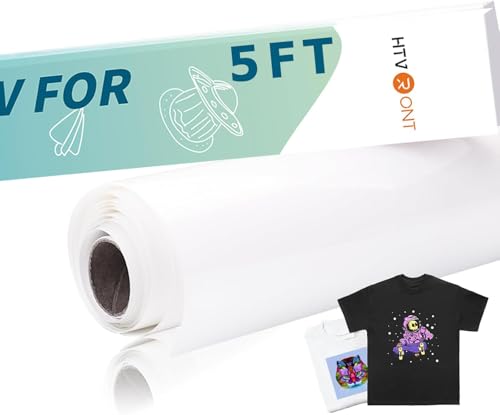
HTVRONT Sublimation HTV for Dark and Light Fabric Review Summary
This product makes sense for crafters who want one transfer film that can work on both dark and light colored cotton fabrics.
The strongest appeal is its positioning around convenience and consistency: the listing says it is designed for pure cotton, aims for vivid color restoration, and is meant to keep the finished design soft rather than plasticky.
That combination is especially attractive if you make personalized apparel or accessories and want a matte finish instead of a shiny, sporty look.
It is not a universal sublimation solution, though.
The product is still tied to cotton use, and the listing language points to a process that depends on heat pressing and careful handling.
So the right buyer is someone who values a specific finish and material fit more than maximum versatility.
If your project mix includes cotton shirts, hats, pillows, and bags, this can be a practical specialty supply.
If you work mostly with mixed fabrics or want a broader all-purpose transfer material, it is less compelling.
Review Scorecard
| Category | Score | Buyer-focused rationale |
|---|---|---|
| Cotton compatibility | 9/10 | The listing explicitly targets pure cotton fabrics in both dark and light colors. |
| Finish and feel | 8/10 | Promises a silky, soft touch with a matte result, which is useful for wearable projects. |
| Color performance | 8/10 | Marketed for vivid color brilliancy and restored color on different cotton backgrounds. |
| Ease of use | 7/10 | Strong adhesion and easy weeding are listed, but heat-press workflow still matters. |
| Project flexibility | 7/10 | Useful for shirts, hats, pillows, and bags, but it stays within a cotton-centered lane. |
| Durability claims | 7/10 | Listing says it resists fading and discoloration, but that remains a claim rather than tested proof. |
| Value for niche buyers | 8/10 | Good fit if you specifically need one solution for dark and light cotton projects. |
Key Features and Specifications of HTVRONT Sublimation HTV for Dark and Light Fabric
The core specification is straightforward: this is HTVRONT sublimation HTV sized at 12 inches by 5 feet.
That format is useful because it gives you a manageable roll for trying the material on a few projects before committing to a larger workflow.
The brand positions it as a solution for both dark and light colored pure cotton fabrics.
That matters because many buyers want to avoid keeping separate materials for different shirt colors.
The listing also frames it as suitable for T-shirts, hats, pillows, backpacks, and other personalized items, so it is meant to be part of a craft or small-batch customization setup rather than a single-purpose accessory.
Another important detail is finish.
HTVRONT calls out both a matte effect and a high-gloss effect in the listing material, which suggests the final look may depend on technique or preference.
For buyers, the practical takeaway is that the product is being sold as more than just a transfer layer: it is also about the appearance and feel of the completed piece.
- Brand: HTVRONT
- Product type: Sublimation HTV / heat transfer vinyl
- Size: 12 in x 5 ft
- Fabric focus: Pure cotton
- Color range: Dark and light fabrics
- Common uses: Shirts, hats, pillows, backpacks, and similar blanks
- Surface feel: Soft touch / silky finish
The listing also emphasizes strong adhesion, easy cutting, and easy weeding.
Those are the kind of production details that matter when you are doing repeated craft work, because they affect both the time you spend and the likelihood of a clean result.
Pros and Cons of HTVRONT Sublimation HTV for Dark and Light Fabric
Pros
- Works across both dark and light cotton, which reduces the need to sort materials by shirt color.
- Soft, silky finish is better suited to apparel and home decor than stiff, heavy transfers.
- The 12″ x 5 ft roll is a practical size for testing and small projects.
- The listing claims easy weeding and strong adhesion, both of which are useful for workflow efficiency.
- Broad project use covers shirts, hats, pillows, and bags.
Cons
- It is focused on pure cotton, so buyers who work with many fabric types may find it too narrow.
- The product depends on heat pressing, so it is not a casual peel-and-stick option.
- Listing promises about fade resistance and color restoration are helpful, but they are still claims rather than hands-on proof.
- The finish options may be attractive, but they also mean technique and expectations matter.
Who Should Buy HTVRONT Sublimation HTV for Dark and Light Fabric?
Buy this if you make cotton-based personalized products and want a single material that can serve both dark and light fabrics.
It is a strong fit for hobbyists, small Etsy-style sellers, craft-room users, and anyone who makes matching apparel or home items and does not want to maintain separate transfer materials for every background color.
It also makes sense if you care about softness.
The listing’s emphasis on a silky, soft touch is a real advantage for items that will be worn or handled frequently.
A transfer that feels gentler against the fabric usually looks more finished and less obviously “applied.”
Skip it if your projects are mostly polyester, blended textiles, or mixed-material craft surfaces.
The product is centered on pure cotton, so buyers looking for a broad, all-fabric sublimation or transfer solution should probably choose something more general.
Skip it too if you want a no-press, low-equipment workflow.
How HTVRONT Sublimation HTV Behaves in Cotton Projects
Dark Fabric Coverage
The most useful part of this product is its promise to work on dark cotton as well as light cotton.
That is the kind of feature that simplifies craft inventory, because dark shirts often require different thinking than pale ones.
If the listing claim holds up in practice, it gives buyers more freedom when they are matching design ideas to whatever blanks they already have.
Light Fabric Results
On light cotton, the pitch is less about solving a limitation and more about consistency.
The listing says the material delivers vivid color brilliancy and a restored look.
For buyers, that means the appeal is uniformity: the same transfer family can be used across different garment colors without changing the visual style of the finished design.
Feel and Wearability
The soft-touch, matte framing is important because it affects how the final item behaves in real use.
Apparel and pillows are touched often, so a softer hand feel is usually preferable to a thick plastic layer.
This product seems designed for that more finished, less vinyl-like experience.
Workflow and Handling
Strong adhesion, easy cutting, and easy weeding are the workhorse benefits here.
Those are not glamorous claims, but they matter more than marketing copy when you are making multiple pieces.
A material that separates cleanly and presses reliably can save time and reduce waste, especially on small-batch custom work.
Alternatives to HTVRONT Sublimation HTV for Dark and Light Fabric
If you want to compare options, look at established Amazon search pages for other heat transfer and sublimation-friendly lines:
These alternatives are worth checking if you want a different brand ecosystem, a more general HTV option, or a product line with a broader track record in craft workflows.
The right comparison point depends on whether you are optimizing for softness, simplicity, or compatibility with a specific fabric mix.
Is HTVRONT Sublimation HTV for Dark and Light Fabric Worth It?
Yes, if your work centers on pure cotton and you want a transfer material built for both dark and light fabric projects.
The case for it is straightforward: it is sized for practical use, aimed at a clear cotton niche, and marketed around soft-touch results that suit wearable and decorative items.
It is less compelling if you need one material for many textile types or if you want to avoid heat-press workflows.
In that case, the narrow focus becomes a limitation instead of a strength.
For cotton-heavy craft buyers, though, this looks like a sensible, well-targeted choice.
Worth considering if the fabric match is right.