The best inverter generators for camping provide dependable electricity without overwhelming your campsite with noise, bulk, or complicated controls. The right model depends on the appliances you plan to run, how long you will be away from hookups, and how much weight you can comfortably transport.
This roundup compares 10 portable options across compact, quiet, RV-ready, and higher-output categories. Use the guide below to match generator capacity, fuel features, portability, and safety controls to your camping setup.
Best 10 Inverter Generators for Camping Picks for 2026
Best Compact Quiet Pick
Oxseryn 2800W Portable Inverter Generator

- 2,000 running watts and 2,800 peak watts
- Up to 9 hours at 25% load
- Under 58 dBA with less than 3% THD
Best For: Lightweight camping power and sensitive electronics
Best Higher-Output Camping Pick
PowerSmart 4000W Inverter Generator

- 3,200 rated watts and 4,000 peak watts
- 59 dBA at 25% load from 23 feet
- 30A outlet and parallel-ready design
Best For: Higher-demand camping and home backup loads
Best Long-Run RV Pick
Oxseryn 4400W Open-Frame Inverter Generator

- 3,400 running watts with a 30A RV outlet
- Claimed 14-hour runtime at 25% load
- 2-gallon tank with ECO mode and safety shutdowns
Best For: RV camping and extended off-grid operation
Best Lightweight Value Pick
WEN 2350W Portable Inverter Generator
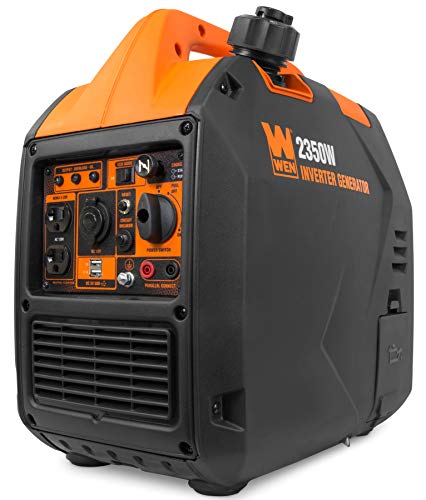
- Only 39 pounds
- 1,900 rated watts of clean power
- Up to 10 hours of runtime with fuel shutoff
Best For: Lightweight camping and basic electronics charging
Best High-Capacity Pick
Oxseryn 4400W Open-Frame Inverter Generator
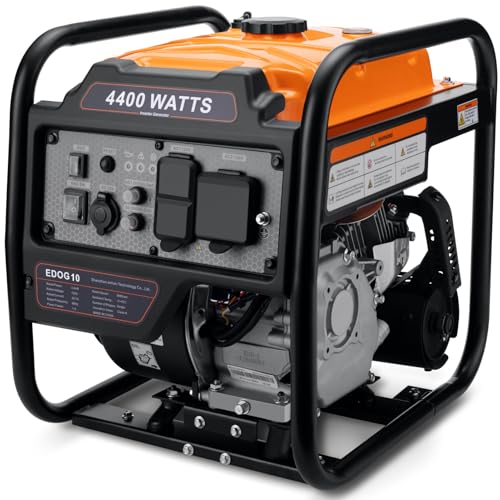
- 4,400 peak and 3,400 running watts
- Up to 14 hours at 25% load
- RV port and 2-gallon fuel tank
Best For: RV camping and higher-power backup needs
Best Lightweight Quiet Pick
AIVOLT 1600W Super Quiet Inverter Generator
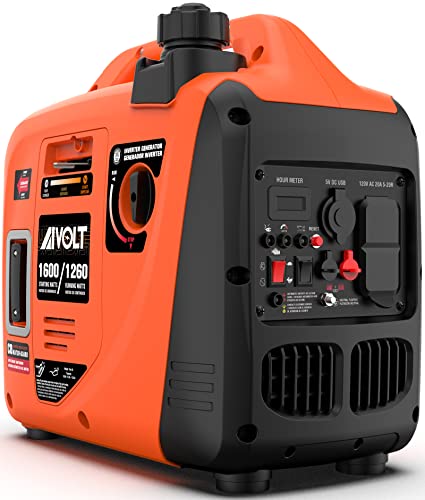
- Only 28 pounds
- 57 dBA at 23 feet
- Clean power under 3% THD
Best For: Tent camping and light electronic loads
Best Dual-Fuel RV Pick
WEN DF360iX 3600W Dual-Fuel Inverter Generator

- Runs on gasoline or propane
- RV-ready TT-30R receptacle
- CO shutdown and clean power
Best For: RV camping with flexible fuel needs
Quiet Power Pick

- 2,400 peak and 1,800 running watts
- 52.5 dB at 25% load
- 42 pounds with clean inverter power
Best For: Quiet camping, RV use, and sensitive electronics
RV-Ready Upgrade

- 3,600 surge and 2,900 rated watts
- Dedicated TT-30R RV receptacle
- 46.3-pound enclosed inverter design
Best For: RV camping and higher-demand loads
Lightweight Essentials

- 25.3-pound portable design
- 1,200 starting and 1,000 running watts
- CO shutdown and Eco Mode
Best For: Minimalist camping and light electronics
Best Compact Quiet Pick – Oxseryn 2800W Portable Inverter Generator
For campers who want portable inverter generators for camping with a compact footprint, the Oxseryn combines 2,000 running watts with a 40-pound carry weight. Its low-noise operation, fuel shutoff, and clean power output make it practical for charging electronics and running modest campsite equipment.
Best For: Campers needing a lightweight generator for electronics, small appliances, and occasional home backup.
Pros:
- Provides 2,000 running watts and 2,800 peak watts.
- Runs up to 9 hours at 25% load from a 1.1-gallon tank.
- Produces less than 3% THD and operates below 58 dBA from 23 feet.
- Includes AC, DC, USB, and USB-C connections, plus parallel capability.
Cons:
- Its 2,000-watt running output may not suit high-demand equipment.
- A high-altitude kit is recommended above 4,000 feet and is not included.
- It has a one-year manufacturer warranty.
The Oxseryn is a well-balanced option when portability and quiet operation matter more than maximum output. The fuel indicator and shutoff add convenience, while the clean inverter power supports sensitive devices.
Best Higher-Output Camping Pick – PowerSmart 4000W Inverter Generator
The PowerSmart is a strong choice among inverter generators for camping when you need more capacity for several devices or larger loads. It delivers 3,200 rated watts, offers clean power for electronics, and includes a 30A twist-lock outlet plus parallel capability.
Best For: Campers and households wanting higher output, overnight runtime, and flexible 120V connections.
Pros:
- Produces 3,200 rated watts and 4,000 peak watts.
- Runs up to 8 hours at 25% load with a 1.3-gallon tank.
- Operates at 59 dBA from 23 feet at 25% load and produces less than 3% THD.
- Includes a 30A twist-lock outlet, household outlet, DC port, USB ports, and a digital display.
Cons:
- At 50.7 pounds, it is heavier than the smaller portable models.
- The parallel kit is not included.
- The listed runtime varies between the product bullets and specifications.
With its higher running output and broad outlet selection, the PowerSmart is suited to campers who prioritize capacity over minimum weight. Its two-year warranty and lifetime technical support add useful ownership support.
Best Long-Run RV Pick – Oxseryn 4400W Open-Frame Inverter Generator
The Oxseryn 4400W stands out among inverter generators for camping with its 30A RV outlet and claimed 14-hour runtime at 25% load. Its open-frame design provides 3,400 running watts for RV use, campsite equipment, and emergency household power.
Best For: RV campers and users who value extended runtime and a dedicated 30A connection.
Pros:
- Offers 3,400 running watts and 4,400 watts of listed peak output.
- Includes a 30A RV outlet along with two 120V AC ports and a 12V DC port.
- Provides a claimed 14-hour runtime at 25% load from a 2-gallon tank.
- Includes ECO mode, overload protection, low-oil shutdown, and cold-start technology.
Cons:
- Its 56- to 57-pound weight is less convenient for solo carrying.
- The open-frame design may be less compact than enclosed camping generators.
- The product notes contain inconsistent peak and running wattage descriptions.
This model makes the most sense when RV compatibility and fuel endurance are central requirements. Verify the exact output specifications before purchase, but the 30A outlet and large tank give it a practical advantage for extended trips.
Best Lightweight Value Pick – WEN 2350W Portable Inverter Generator
The WEN 56235i is a straightforward option for shoppers comparing inverter generators for camping and prioritizing easy transport. At 39 pounds, it is the lightest model in this roundup, while its 1,900 rated watts and quiet operation cover common charging and small-device needs.
Best For: Campers who want an ultralight generator for electronics, lighting, and smaller campsite loads.
Pros:
- Weighs 39 pounds for easier carrying and storage.
- Produces 1,900 rated watts and 2,350 surge watts of clean power.
- Runs up to 10 hours and includes a fuel shutoff to help use remaining carburetor fuel.
- Provides two 120V outlets, a 12V DC outlet, and two USB ports.
Cons:
- Its 1,900-watt running output is lower than the larger models here.
- It does not list a 30A RV outlet or parallel capability in the supplied details.
- The one-gallon tank is smaller than those of the higher-output options.
The WEN is a sensible pick for minimalist camping kits where low weight matters most. It offers clean power, long stated runtime, and useful device-charging ports without the added bulk of larger generators.
Best High-Capacity Pick – Oxseryn 4400W Open-Frame Inverter Generator
For campers who need substantial output, this Oxseryn model is a practical choice among inverter generators for camping. It delivers 4,400 peak watts and 3,400 running watts, includes an RV outlet, and can run for up to 14 hours at 25% load with ECO mode.
Best For: RV camping, extended outdoor use, and emergency home backup where higher wattage matters.
Pros:
- 4,400 peak watts and 3,400 running watts provide ample capacity for RV and backup use.
- Up to 14 hours of runtime at 25% load with ECO mode and a 2-gallon tank.
- Includes two 120V AC outlets, a 12V DC outlet, and an RV-ready port.
- At 56 pounds, it is relatively manageable for an open-frame generator.
Cons:
- Its noise level is under 72 dBA at 23 feet, so it is not the quietest option for close campsite use.
- It is gasoline-only, without the dual-fuel flexibility of some alternatives.
The Oxseryn emphasizes output and runtime over ultra-quiet operation. Its RV port, fuel gauge, ECO mode, and low-oil and overload protection make it a useful fit when camping power needs extend beyond basic device charging.
Best Lightweight Quiet Pick – AIVOLT 1600W Super Quiet Inverter Generator
If portability and low noise are priorities, the AIVOLT is a strong fit for camping. This compact inverter generator weighs 28 pounds, operates at 57 dBA at 23 feet, and provides clean power for phones, laptops, and other sensitive electronics.
Best For: Tent camping, tailgating, and light-duty charging when easy carrying and quiet operation are important.
Pros:
- Lightweight 28-pound design is convenient to carry to a campsite.
- 57 dBA operation at 23 feet helps reduce noise around camp.
- Clean power with less than 3% THD is designed for sensitive electronics.
- Includes two 120V outlets, USB-A and USB-C ports, ECO mode, CO Alert, and parallel capability.
Cons:
- Its 1,260 running watts are better suited to smaller loads than high-demand RV appliances.
- The parallel kit is not included.
- Engine oil is not included.
The AIVOLT is built for convenience rather than maximum output. Its light weight, quiet operation, USB connectivity, and safety shutdown features make it especially practical for campers charging personal electronics and running smaller equipment.
Best Dual-Fuel RV Pick – WEN DF360iX 3600W Dual-Fuel Inverter Generator
The WEN DF360iX adds fuel flexibility to the camping setup, running on either gasoline or propane. It supplies up to 3,600 surge watts on gasoline, includes a TT-30R RV receptacle, and produces clean power for sensitive electronics.
Best For: RV campers who want dual-fuel flexibility, quiet operation, and dedicated RV connectivity.
Pros:
- Runs on gasoline or propane, giving campers more fueling options.
- Includes an RV-ready TT-30R receptacle, two 120V outlets, USB ports, and a 12V DC receptacle.
- WEN Watchdog CO shutdown sensor helps respond to dangerous carbon monoxide levels.
- Fuel shut-off can help limit maintenance, and the unit includes a three-year limited warranty.
Cons:
- Gasoline runtime is listed at approximately five hours.
- Output is lower on propane at 2,600 running watts compared with 2,900 on gasoline.
- At 49 pounds, it is heavier than the compact AIVOLT option.
The DF360iX balances useful RV output with the convenience of dual-fuel operation. Its quiet design, clean power, CO protection, and broad outlet selection make it a versatile choice when camping plans or fuel availability may change.
Quiet Power Pick – ERAYAK 2400P
The ERAYAK 2400P is a practical choice among inverter generators for camping when you need enough output for several devices without carrying a full-size unit. It delivers 2,400 peak watts and 1,800 running watts, with inverter power rated at less than 1.2% THD for electronics such as laptops, CPAP machines, and phones.
Best For: Campers, RV users, and emergency-backup shoppers who want quiet operation, clean power, and a relatively lightweight package.
Pros:
- 52.5 dB at 25% load from 7 meters, making it suitable for campgrounds and RV parks.
- 42-pound design with Eco Mode and an advertised runtime of up to 16 hours at 25% load.
- Includes two AC outlets, two USB ports, and one DC output.
- Includes a three-year limited warranty and lifetime technical support.
Cons:
- Its 1,800-watt running capacity is lower than the 2,400-watt peak rating.
- The stated fuel consumption and runtime vary substantially with load.
Choose this model if low noise and clean electricity matter as much as portability. Its output suits common camping electronics and moderate loads, but larger appliances may require a higher-capacity generator.
RV-Ready Upgrade – WEN 56360i
The WEN 56360i stands out among inverter generators for camping when RV compatibility and extra capacity are priorities. Its 149cc engine provides 3,600 surge watts and 2,900 rated watts, while the enclosed inverter design produces clean power for phones, tablets, and laptops.
Best For: RV campers and groups needing a dedicated TT-30R receptacle plus more running power for camping equipment.
Pros:
- Includes a TT-30R RV receptacle alongside two 120V outlets, DC power, and two USB ports.
- Provides 2,900 rated watts and 3,600 surge watts for higher-demand camping loads.
- At 46.3 pounds, it remains relatively portable for its output class.
- Fuel shutoff uses remaining carburetor fuel before shutdown, and a three-year limited warranty is included.
Cons:
- The listed runtime is five hours, so extended trips may require more frequent refueling.
- At 46.3 pounds, it is heavier than the smaller options in this roundup.
The 56360i is a strong fit when an RV outlet and higher wattage outweigh the benefits of a lighter generator. Confirm your actual appliance wattage before relying on it for multiple high-draw devices at once.
Lightweight Essentials – GENMAX GM1200i
The GENMAX GM1200i is one of the most portable inverter generators for camping in this group. Weighing 25.3 pounds, it supplies 1,200 starting watts and 1,000 running watts, making it suited to lights, fans, small electronics, and other modest campsite needs.
Best For: Solo campers and minimalist setups that value easy carrying, basic device charging, and fuel-efficient operation.
Pros:
- Compact 25.3-pound design with a built-in handle for easier transport.
- Eco Mode supports fuel efficiency, with up to 6.5 hours of runtime at 50% load.
- Includes CO Detect shutdown, low-oil and overload alarms, and parallel capability.
- Provides clean inverter power with less than 3% THD for common sensitive electronics.
Cons:
- Its 1,000-watt running output is intended for lighter loads than the other models here.
- Noise is listed as low as 58 dBA at 25% load and 23 feet, rather than as a fixed operating level.
- The supplied details list a two-year warranty description, while the product bullets mention three years; verify coverage before purchase.
The GM1200i makes the most sense when portability is the deciding factor. It can handle essential campsite electronics, but its lower output is less suitable for RV appliances or several high-wattage devices running together.
How We Picked These Inverter Generators for Camping
We focused on portable gasoline and dual-fuel inverter generators suited to tent camping, tailgating, emergency backup, and RV use. Key considerations included advertised wattage, portability, noise-oriented features, fuel shutoff or ECO modes, outlet configurations, RV readiness, and safety features such as carbon-monoxide monitoring. Because real-world output and runtime vary with load, altitude, weather, and maintenance, treat manufacturer specifications as comparison points rather than guarantees.
We also included a range of sizes, from compact units for lights and electronics to larger models capable of supporting selected RV appliances or household essentials. Always confirm the generator’s continuous running wattage—not just its starting or peak wattage—before buying.
Quick Comparison
| Use Case | Recommended Output Range | What to Prioritize |
|---|---|---|
| Light camping and electronics | 1,200–1,600 watts | Low weight, quiet operation, USB and 120V outlets |
| General campsite use | 2,000–2,800 watts | Balanced runtime, portability, ECO mode, fuel shutoff |
| Cooling appliances or heavier loads | 3,600–4,400 watts | Higher running output, stable handling, useful outlet selection |
| RV camping | 3,000 watts or more | 30-amp RV outlet, starting-watt capacity, CO protection |
Key Buying Factors for Inverter Generators for Camping
Wattage and Starting Loads
List every device you may run simultaneously, then add its running watts. Account for startup surges from refrigerators, air conditioners, pumps, and power tools. Leave a safety margin so the generator is not operating continuously at its limit.
Noise, Weight, and Portability
Inverter generators are generally quieter and produce cleaner power than conventional open-frame models, but sound levels differ by load and distance. For tent sites, prioritize a compact enclosure and low advertised decibel rating. Handles, wheels, and a manageable dry weight matter when carrying equipment from a vehicle to a campsite.
Fuel and Runtime Features
ECO mode can reduce fuel use during lighter loads, while a fuel shutoff helps burn fuel from the carburetor before storage. Compare tank capacity and stated runtime at a defined load, not runtime alone. Dual-fuel capability can add flexibility, but it may increase cost and weight.
Outlets and Safety
Check for the receptacles you actually need, including USB ports, standard household outlets, parallel-kit support, and a 30-amp RV connection. Operate any fuel-powered generator outdoors, far from doors and windows, and use carbon-monoxide protection without treating it as a substitute for safe placement.
Who Should Buy Which Inverter Generators for Camping?
Choose an ultralight 1,200- to 1,600-watt model if your priority is charging phones, running lights, and powering small electronics. A 2,000- to 2,800-watt generator is the most versatile choice for many campers who want a practical balance of portability and capacity. RV owners or campers running demanding appliances should consider a 3,600- to 4,400-watt RV-ready model, provided they can manage the additional size, weight, and fuel consumption. If quiet evenings are especially important, favor a fully enclosed, lower-output inverter design and avoid sizing far beyond your real electrical needs.