Portable power stations can keep laptops, monitors, networking equipment, cameras, and other sensitive electronics running during outages, travel, or off-grid work. The right model delivers clean, stable power without unnecessary bulk or complexity.
We compare 10 options across compact emergency chargers, camping-ready units, and higher-capacity backup systems, focusing on battery chemistry, inverter output, usable capacity, charging flexibility, and everyday portability.
Best 10 Portable Power Stations for Sensitive Electronics Picks for 2026
Best Compact Pure Sine Wave Pick

- 300W pure sine wave AC output
- LiFePO4 battery rated for 3,500+ cycles
- 5.73-pound design with USB-C PD
Best For: Portable electronics, laptops, cameras, and short emergency backup
Best High-Capacity Home Backup

- 1,191Wh capacity with 1,200W pure sine output
- 10ms UPS mode for compatible electronics
- 14 outputs, including USB-C PD/PPS
Best For: Home offices, routers, computers, RVs, and extended outages
Best Fast-Charging Portable Option

- 600W continuous and 1,500W lifting power
- 10ms UPS mode for compatible devices
- 0–80% wall charging in about 45 minutes
Best For: Portable UPS backup, laptops, routers, CPAP machines, and quick recharging
Best Overall
LIBRIDS 640Wh UPS Power Station

- Pure sine wave output for sensitive devices
- 10ms UPS backup for outages
- 640Wh capacity with 1.5-hour AC charging
Best For: Home backup, CPAP machines, routers, and laptops
Best Compact Backup
DARAN 288Wh LiFePO4 Power Station
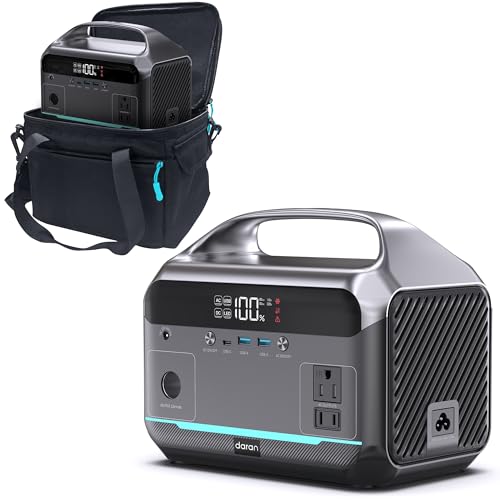
- 350W output with 600W surge capacity
- Compact 8.2-pound design
- AC, car, and optional solar charging
Best For: Low-power essentials, camping, RV travel, and emergency kits
Reliable Camping Companion

- Two pure sine wave AC outlets
- 296Wh capacity and eight outputs
- Wall, solar, and car charging
Best For: Camping, travel, RV use, and compatible backup electronics
Quiet Indoor Backup
Westinghouse iGen400s Portable Power Station

- Two AC outlets and nine total outlets
- 183Wh capacity with 200W running output
- Quiet, fume-free operation for indoor use
Best For: Small electronics, travel, camping, and emergency backup
Ultra-Portable LiFePO4 Pick
Daran 100W LiFePO4 Power Station

- 2.54-pound compact design
- LiFePO4 battery rated for 3,500+ cycles
- Fanless operation and seven output ports
Best For: Backpacks, quiet spaces, laptops, phones, cameras, and drones
Best Compact Pure Sine Wave Pick – DaranEner NEOZ2 192Wh
For shoppers seeking portable power stations for sensitive electronics, the DaranEner NEOZ2 combines a 300W pure sine wave inverter with a compact 192Wh LiFePO4 battery. Its stable AC output, 60W USB-C PD port, and lightweight 5.73-pound design suit essential electronics while traveling or during short outages.
Best For: Phones, laptops, cameras, lights, routers, and other low-power electronics needing clean AC power.
Pros:
- Pure sine wave output helps provide stable power for sensitive devices.
- LiFePO4 battery is rated for more than 3,500 cycles.
- Six-device charging, including USB-C PD and two AC outlets.
- Compact design includes a four-mode LED flashlight with SOS.
Cons:
- 300W output is not intended for high-power appliances or heavy startup loads.
- Solar panels and car-charging cables are not included.
- AC charging input is limited to 100W.
The NEOZ2 is a practical lightweight option when clean power and portability matter more than long runtimes or appliance-level capacity. It is best suited to electronics and small essentials rather than demanding equipment.
Best High-Capacity Home Backup – UDPOWER S1200 1,191Wh
The UDPOWER S1200 is a substantial choice among portable power stations for sensitive electronics, offering 1,191Wh of capacity, 1,200W of pure sine wave AC output, and a UPS mode designed to switch to battery power within 10 milliseconds. Its broad port selection supports a home office, camping setup, or RV.
Best For: Home-office equipment, routers, computers, laptops, and multiple electronics requiring extended backup capacity.
Pros:
- 1,200W continuous pure sine wave AC output supports a wide range of compatible devices.
- Large 1,191Wh capacity is suited to longer backup needs.
- UPS mode switches within 10 milliseconds for compatible electronics.
- Fourteen outputs include USB-C PD/PPS with up to 100W combined output.
Cons:
- At 25.8 pounds, it is less convenient to carry than smaller stations.
- UPS compatibility should be checked before relying on it for specific equipment.
- Combined AC loads must remain within the 1,200W limit.
With its high capacity, pure sine wave output, and fast UPS transfer, the S1200 is oriented toward serious backup rather than ultralight travel. Its size and weight make it better for a home base, RV, or vehicle than casual day trips.
Best Fast-Charging Portable Option – BLUETTI Elite 30 V2
The BLUETTI Elite 30 V2 pairs a 288Wh LFP battery with 600W continuous output and a 10ms UPS mode, making it a capable choice for portable power stations for sensitive electronics. It also recharges quickly from a wall outlet, reaching 80% in 45 minutes according to the supplied specifications.
Best For: Laptops, routers, CPAP machines, cameras, and compact backup setups where fast recharging is important.
Pros:
- 600W continuous output provides more headroom than typical compact stations.
- 10ms UPS switching supports compatible laptops, routers, and CPAP devices.
- 380W wall charging reaches 80% in about 45 minutes.
- At roughly 9.4 pounds, it balances capacity with portability.
Cons:
- 288Wh capacity may provide limited runtime for high-draw equipment.
- Power Lifting Mode is intended for selected loads and does not increase the battery capacity.
- Solar panel compatibility may require a separately purchased panel.
The Elite 30 V2 stands out when quick turnaround and UPS functionality are priorities. Its 600W inverter expands device compatibility, while the moderate battery size keeps it portable for travel and emergency use.
Best Value Camping Backup – DYNESS PPS300-4 256Wh
The DYNESS PPS300-4 offers a straightforward 256Wh battery and 300W output for shoppers comparing portable power stations for sensitive electronics on a budget-conscious camping or emergency setup. Its 110V pure sine wave AC outlet and LiFePO4 battery are designed for small electronics and essential devices.
Best For: Laptops, routers, cameras, small appliances, and basic backup power for camping or short outages.
Pros:
- 110V pure sine wave AC output is suitable for compatible sensitive electronics.
- LiFePO4 battery provides stable energy storage and long cycle life.
- 256Wh capacity and 300W output cover common small-device needs.
- Supports AC, solar, car, and dual-input charging.
Cons:
- Only one AC outlet is provided.
- 300W continuous output limits use with larger appliances.
- Solar panel is optional rather than included.
The DYNESS is a practical middle ground for users who want clean AC power without moving to a heavier, higher-capacity station. Its compact output selection works best for a few essential electronics rather than simultaneous large loads.
Best Overall – LIBRIDS 640Wh UPS Power Station
For shoppers comparing portable power stations for sensitive electronics, the LIBRIDS stands out with a pure sine wave inverter and a 10ms UPS that can automatically switch to battery power during an outage. Its 640Wh capacity, 600W output, and 1200W surge rating provide useful headroom for home backup, CPAP machines, routers, laptops, and similar devices.
Best For: Home backup and sensitive electronics that benefit from uninterrupted, clean power.
Pros:
- Pure sine wave output is designed for laptops, medical devices, and CPAP machines.
- 10ms UPS switching helps keep connected devices running during outages.
- 640Wh capacity, four AC outlets, and eight total output ports support multiple devices.
- LiFePO4 battery is rated for 4000+ cycles, with a stated five-year warranty.
Cons:
- The unit is labeled for indoor use only and must be protected from rain, moisture, and humidity.
- Its 600W running output is not intended for high-wattage appliances.
The LIBRIDS is the most feature-rich choice here for outage protection, with fast 1.5-hour AC charging and clean power in a metal enclosure. Just use it in dry, well-ventilated conditions and stay within its output limits.
Best Compact Backup – DARAN 288Wh LiFePO4 Power Station
The DARAN is a compact option for shoppers seeking portable power stations for sensitive electronics without carrying a larger home-backup unit. Its 350W rated output, 600W surge capacity, LiFePO4 battery, and multiple charging options suit lower-power essentials such as CPAP machines, phones, tablets, and small projectors.
Best For: Lightweight emergency kits, camping, RV trips, and devices drawing 350W or less.
Pros:
- 288Wh capacity can run a 30W CPAP machine for up to 8.16 hours according to the supplied figures.
- Two AC outlets, USB-C PD, USB-A, and DC outputs support several devices at once.
- LiFePO4 battery management includes overcharge, over-discharge, short-circuit, temperature, and cell-balancing protection.
- At 8.2 lb, it is relatively easy to carry and can charge from AC, a car, or optional solar panels.
Cons:
- The 350W rated output limits compatibility with higher-draw appliances.
- Solar panels and car charging cables are sold separately.
- It has a shorter one-year service period than some larger alternatives.
The DARAN balances portability and useful protection features, making it a practical choice for modest loads. Confirm your device’s wattage before buying, especially if you plan to run heating appliances or other high-demand equipment.
Best Lightweight Pick – MARBERO 88Wh Portable Power Station
For basic charging on the go, the MARBERO is a lightweight option among portable power stations for sensitive electronics. Its eight output ports, USB-C PD support, built-in safety controls, and compact 3.2-pound design make it suitable for phones, tablets, laptops, small entertainment devices, and emergency lighting.
Best For: Road trips, office or school use, backyard camping, and small electronics.
Pros:
- Eight output ports can power or charge multiple devices simultaneously.
- USB and USB-C PD ports support phones, tablets, and laptops.
- Built-in BMS provides voltage and temperature control, with short-circuit and overload shutdown.
- Compact 3.2-pound body includes a handle and three brightness levels plus SOS lighting.
Cons:
- The 88Wh capacity and 80W stated output are intended for smaller loads.
- Its two AC outlets are not suitable for high-wattage appliances.
- The dedicated solar panels are sold separately.
The MARBERO is best viewed as a personal power bank with AC capability rather than a large emergency generator. Its low weight and broad port selection are useful for small electronics, while the built-in protections add reassurance during travel and outages.
Reliable Camping Companion – EnginStar 300W Power Station
For shoppers seeking portable power stations for sensitive electronics, the EnginStar 300W model stands out for its two pure sine wave AC outlets, which are designed to provide stable power. Its 296Wh capacity, multiple ports, and solar, wall, or car charging options make it a flexible choice for camping, travel, and blackout preparedness.
Best For: Camping, road trips, RV use, and backup power for compatible electronics under 300W.
Pros:
- Two 110V pure sine wave AC outlets for cleaner power delivery.
- 296Wh capacity with eight outputs for charging multiple devices.
- Supports wall, solar, and car charging.
- Includes protection against overload, overcharging, overheating, and short circuits.
Cons:
- Solar panel is sold separately.
- Not intended for devices requiring more than 300W, such as heaters, microwaves, or induction cookers.
- Requires periodic recharging during storage to maintain the battery.
The EnginStar is a practical pick when pure sine wave output is a priority and you need more capacity than a small phone-focused power bank. Just verify your equipment’s wattage before use.
Quiet Indoor Backup – Westinghouse iGen400s Portable Power Station
The Westinghouse iGen400s is a compact option for portable power stations for sensitive electronics, offering two 120V AC outlets alongside USB-C, USB-A, and DC connections. Its quiet, fume-free operation makes it suitable for indoor emergency backup as well as travel and camping.
Best For: Phones, laptops, small electronics, and quiet home or travel backup where the device load stays within 200W running output.
Pros:
- Provides two AC outlets plus seven USB and DC charging connections.
- Compact five-pound design with a carry handle and weather-resistant shell.
- Can charge to 80% in about two hours using a 120V outlet and included USB-C cable.
- Includes overcharge, overload, overheating, and low-voltage protection.
Cons:
- The listed capacity is 183Wh, lower than some similarly sized camping stations.
- A 100W AC power adapter is recommended for fastest charging but is not included.
- Solar panel is not included.
Choose the iGen400s if portability, quiet operation, and a broad selection of modern charging ports matter more than extended runtime. Its 200W running limit should guide what you connect.
Ultra-Portable LiFePO4 Pick – Daran 100W LiFePO4 Power Station
For lightweight charging of sensitive electronics, the Daran 100W power station combines a LiFePO4 battery with AC outlets, USB-C PD, USB-A, and DC ports. Its fanless operation and 2.54-pound design make it especially convenient for backpacks, bedside use, work, and short outdoor trips.
Best For: Phones, laptops with USB-C, cameras, drones, and other devices that remain within the 100W output limit.
Pros:
- Compact 2.54-pound design with a soft carry handle.
- LiFePO4 battery rated for more than 3,500 life cycles.
- Seven outputs, including 45W USB-C PD and two 100W AC sockets.
- Fanless, quiet operation with 12 stated safety protections.
Cons:
- Its 89.6Wh capacity is suited to shorter-duration use.
- Only devices within 100W are supported.
- Solar panel and cable are not included.
The Daran is a strong portability-first choice for sensitive electronics and quiet environments. Its LiFePO4 battery and fast charging are appealing, but the limited capacity and 100W ceiling make it less suitable for larger equipment.
How We Picked the Best Portable Power Stations for Sensitive Electronics
We evaluated these models by the features that matter most when powering electronics with built-in chargers, motors, or delicate circuitry. Priority went to units advertising pure sine wave AC output, since it most closely matches household electricity and is generally the safer choice for laptops, displays, audio equipment, routers, and medical-adjacent equipment that permits battery backup use.
We also considered LiFePO4 battery chemistry, continuous and surge wattage, battery capacity, USB-C charging, port selection, recharge options, display usability, size, and the balance between price and practical performance. Specifications can vary by revision, so confirm the manufacturer’s current details before buying.
Quick Comparison
| Best For | Recommended Capacity | What to Prioritize |
|---|---|---|
| Phone, camera, or small-device backup | Under 150Wh | Low weight, USB-C, compact design |
| Laptop, router, or monitor backup | 150–350Wh | Pure sine wave AC, regulated outputs, 300W-plus inverter |
| Several devices or longer outages | 350–700Wh | Higher usable capacity, multiple AC outlets, efficient charging |
| Extended home or RV backup | 700Wh and above | Large inverter, solar input, fast recharge, strong thermal management |
Key Buying Factors for Portable Power Stations for Sensitive Electronics
Pure Sine Wave Output
Look for clearly stated 110V or 120V pure sine wave AC output. Avoid assuming that every portable power station produces the same quality of electricity simply because it includes an AC outlet. Modified-sine-wave output may cause noise, heat, charger issues, or incompatibility with some devices.
Capacity and Runtime
Watt-hours indicate stored energy, but real runtime is lower after inverter and conversion losses. As a rough estimate, divide the station’s watt-hours by the device’s watt draw, then reduce the result by about 10% to 20%. A 300Wh unit may be suitable for a router and laptop, while a 1,000Wh-class model is better for multiple devices or overnight backup.
Inverter Rating and Startup Demand
Match continuous wattage to your equipment’s combined draw and leave headroom for startup surges. Peak ratings are temporary and should not be treated as continuous output. For sensitive electronics, stable operation and adequate headroom are more valuable than an inflated surge number.
Battery Chemistry, Charging, and Ports
LiFePO4 batteries are attractive for frequent use because they typically offer long cycle life and strong thermal stability. USB-C Power Delivery can charge compatible laptops directly and improve efficiency. Check AC, DC, USB-A, USB-C, solar, and car-charging options against your actual setup.
Who Should Buy Which Portable Power Stations for Sensitive Electronics?
Choose a compact 88Wh- or 100Wh-class unit for phones, cameras, handheld consoles, and short emergency top-ups. A 180Wh- to 300Wh model is the practical middle ground for laptops, routers, monitors, and light camping. Select a 600Wh-class station when you need several hours of mixed-device use, and move to a 1,000Wh-plus model for extended outages, RV equipment, or multiple high-draw devices.
For any critical medical, safety, or always-on system, verify compatibility, transfer-switch behavior, and manufacturer guidance rather than relying only on the product’s headline wattage.